A practical guide to buying bougainvillea in St. Augustine
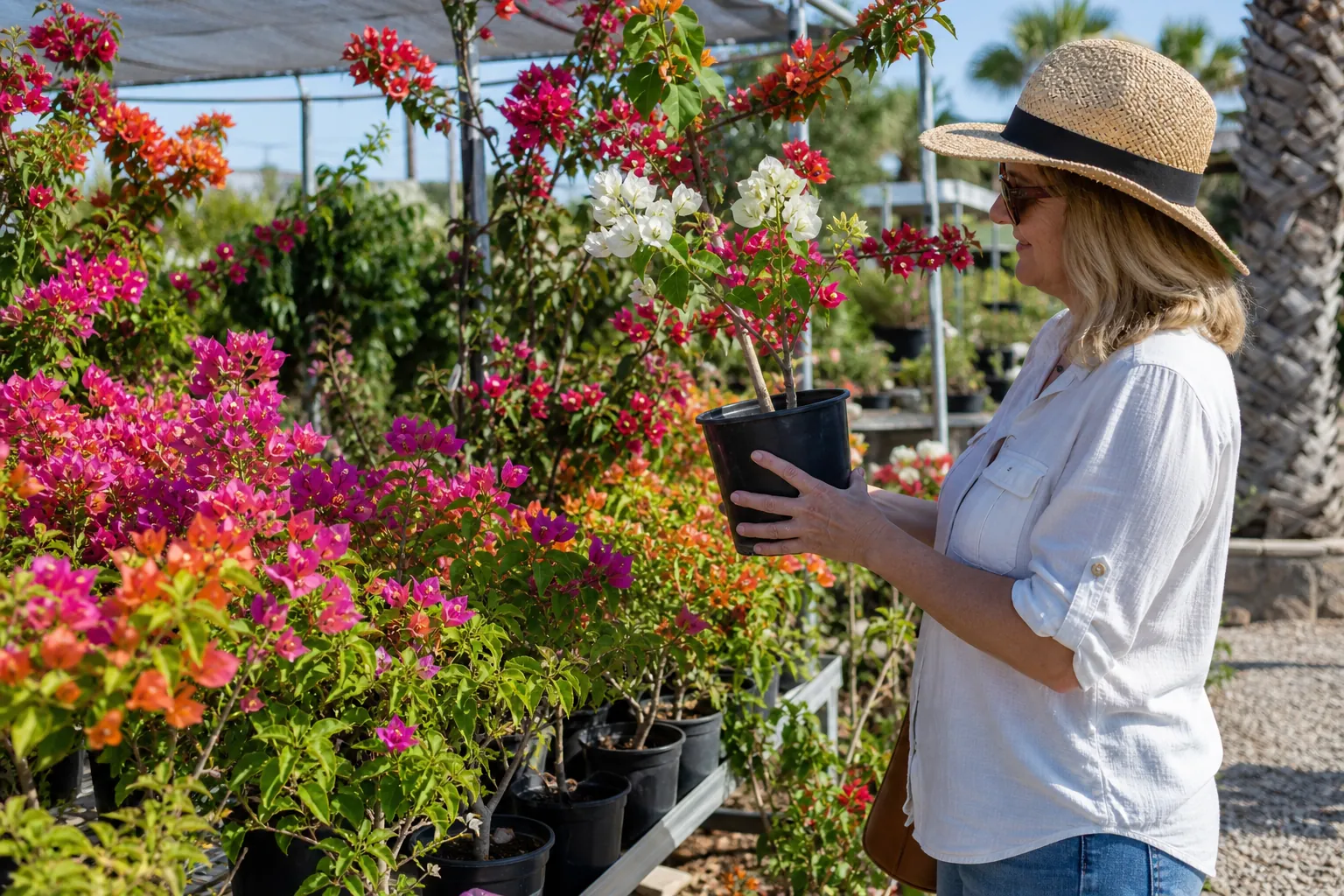
Bougainvillea brings vivid color to sunny Florida spaces, but buying the right plant involves more than choosing your favorite shade. Sun exposure, drainage, mature size and winter protection all affect how well a plant fits your property. A little planning before purchase can prevent an awkward location or a container that quickly becomes too small.
If you are searching for bougainvillea plants for sale St Augustine homeowners can use in their own yards, Tropical Yards is a source for tropical plants and coquina shell. Dump trailer delivery of plants and coquina shell is available from St. Augustine to Daytona Beach. This guide explains what to consider before ordering and how to prepare for a do-it-yourself planting project.
Why Bougainvillea Needs The Right Location
The colorful parts of bougainvillea are papery bracts surrounding small flowers. Those bracts create the familiar pink, purple, red, orange or white display, depending on the variety. Color alone, however, does not tell you how large the plant may become or whether its growth habit suits your space.
Some bougainvillea varieties grow vigorously and develop long, arching stems. Others stay more compact. Before buying, ask about the variety, expected mature dimensions and whether the plant is best suited to a container, shrub-like form or supported climbing growth. A small nursery plant can eventually require considerably more room.
St. Augustine also presents a winter consideration. Bougainvillea is sensitive to cold, and frost or freezing weather can damage leaves and stems. A sheltered location may reduce exposure, but it cannot make the plant freeze-proof. If moving a plant into protection is important to you, a manageable container may be a better choice than an exposed planting bed.
Think of bougainvillea as a plant to match to a site, not a plant that will adapt equally well to every corner of the yard.
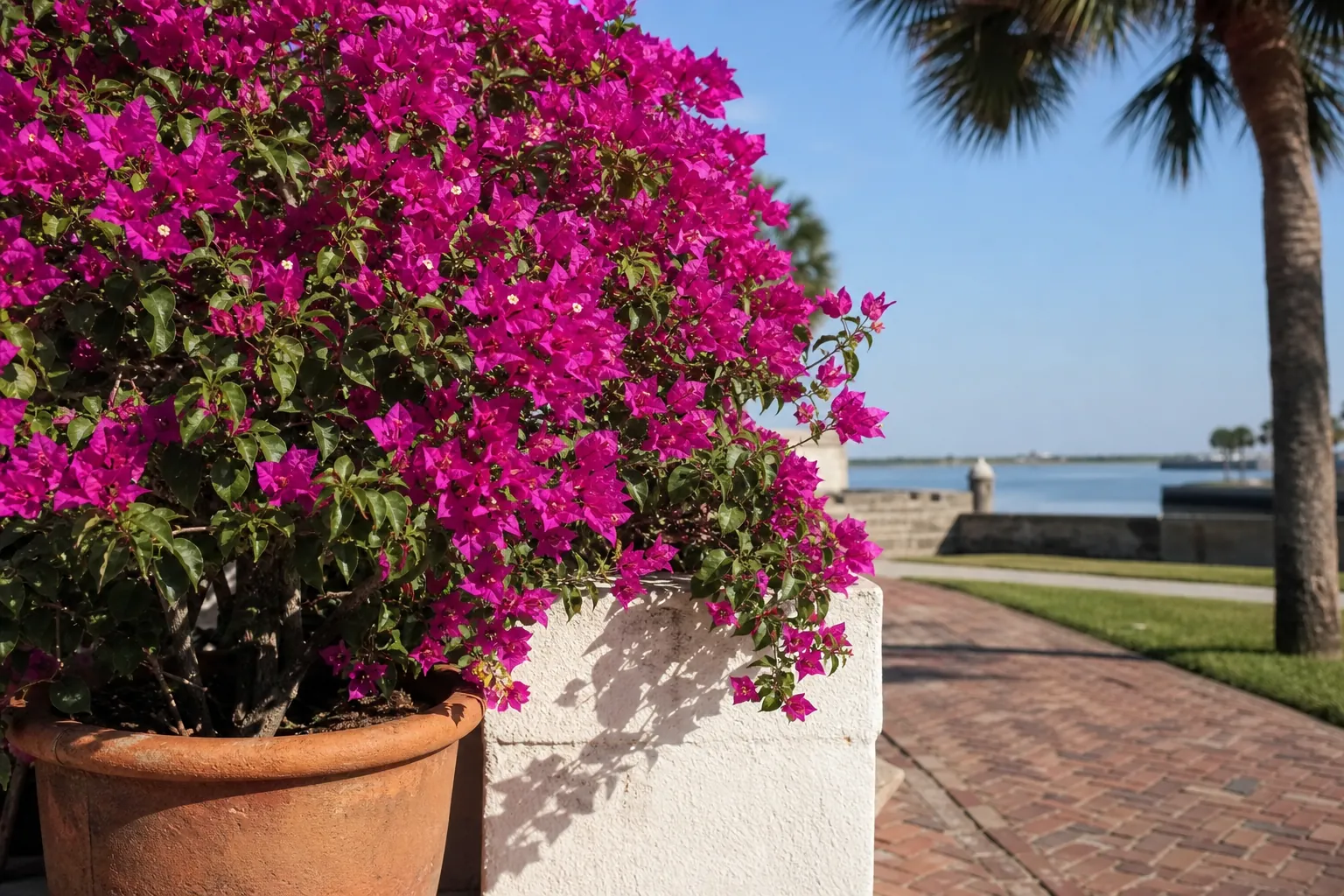
Check Sunlight, Drainage And Everyday Access
Bougainvillea generally performs best with at least six hours of direct sunlight each day. Before choosing a spot, observe it in the morning, around midday and later in the afternoon. A bed that looks bright at lunchtime may spend much of the day shaded by a roofline or neighboring trees.
Drainage matters just as much as light. Bougainvillea does not tolerate persistently soggy roots well. Watch the proposed location after rain, and avoid low areas that collect runoff from roofs, patios or nearby ground. If water remains for an extended period, investigate the cause before planting.
Stems can have sharp thorns, so leave adequate room around walkways, doors and frequently used seating areas. Avoid placing a vigorous variety where future growth would crowd a narrow path. For supported growth, remember that bougainvillea does not attach itself to a wall like a self-clinging vine.
- Choose a location with strong direct sunlight rather than filtered light alone.
- Keep the plant away from regularly saturated soil and concentrated downspout runoff.
- Allow space for mature growth without blocking access to gates or utility equipment.
- Check underground utilities before digging, and follow the applicable utility-marking process.
These checks are easier to complete before a plant arrives than after you have opened a planting hole.
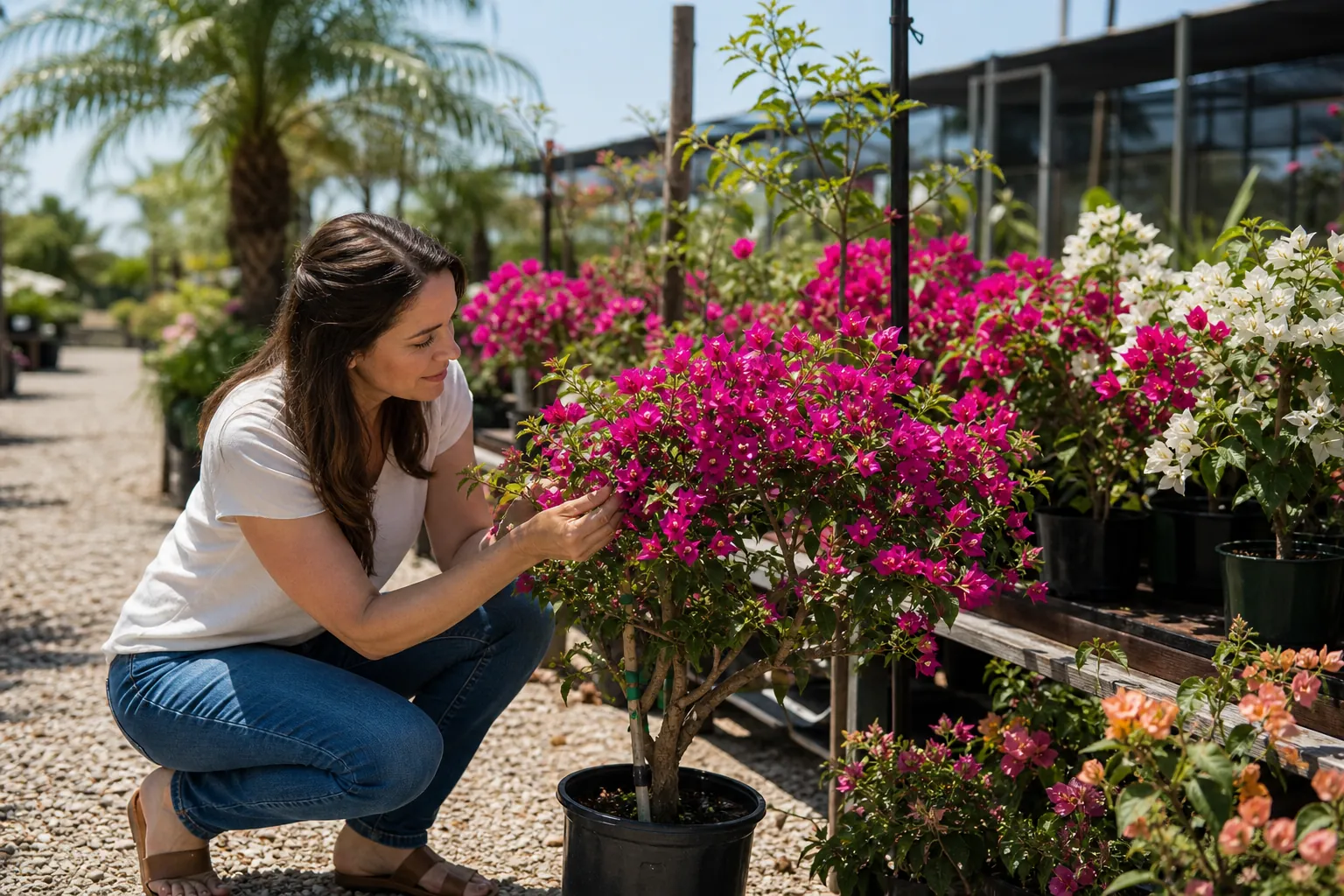
Choose Between A Container And An In-Ground Plant
A container can make sense for a patio, courtyard or sunny entry area where you want control over the growing medium. It also offers the possibility of moving the plant during cold weather. That benefit only works if the container and plant remain light enough to move safely.
Select a pot with open drainage holes and a stable shape. A tall plant in a narrow, lightweight container can become top-heavy, especially in windy conditions. Use a well-draining potting mix intended for containers rather than filling the pot with dense yard soil. Avoid a large jump in pot size that leaves excessive wet medium around a small root system.
An in-ground planting may suit a location with ample sunlight, good drainage and room for long-term growth. It removes the need to move a heavy container, but the roots and stems will remain exposed to local weather. Consider how you would protect the plant during a cold spell before committing to the location.
Neither option eliminates the need to monitor moisture. Containers can dry quickly during hot weather, while poorly drained beds may stay wet too long. Choose the setup that matches both your site and the attention you can realistically give it.
What To Ask Before Buying Bougainvillea
Ask about current availability rather than assuming a particular color, variety or size is always in stock. Nursery inventory changes, and a plant pictured elsewhere may not match what is available when you are ready to buy. Naming your preferred color is useful, but describing your site is even more helpful.
Tell the supplier whether you plan to grow the plant in the ground or in a container. Mention approximate sun exposure, available width and any height limit. If you want a compact plant, make that clear instead of relying on the size of the nursery pot as a guide to mature growth.
When inspecting a plant, look for firm stems and generally healthy foliage. Check for visible pests, damaged growth or signs of persistent water stress. A plant does not need to be covered in bracts to be a worthwhile purchase. Bloom appearance can change with growing conditions and the plant's flowering cycle.
- Ask which bougainvillea varieties, colors and container sizes are currently available.
- Confirm the expected growth habit and mature size of the specific plant.
- Ask whether the plant has recently been repotted or moved between growing conditions.
- Discuss your delivery address and access conditions before finalizing an order.
Clear questions help you compare plants by suitability, not simply by whichever specimen has the brightest display that day.
Prepare For DIY Planting Without Disturbing The Roots
Bougainvillea roots deserve gentle handling. Before removing the nursery container, prepare the planting location or new pot so the plant does not sit exposed while you gather tools. Wear gloves and clothing that help protect your hands and arms from thorns.
For an in-ground plant, dig a hole wider than the root ball but no deeper than needed to keep the top of the root ball at the surrounding soil level. Avoid burying the stem base. If the site has serious drainage problems, a different location or container may be preferable to trying to correct everything inside one planting hole.
Support the root ball as you remove the container. Do not pull the plant out by its stems or aggressively shake away the growing medium. If the pot is difficult to remove, carefully cutting the container can be safer for the roots than forcing the plant loose.
Backfill gently and water to settle the soil around the root ball. Keep mulch away from direct contact with the stem base. If you use a support, position it thoughtfully and secure stems with loose, plant-safe ties. Avoid fastening stems so tightly that ties cut into them as they grow.
Tropical Yards supplies plants and materials. Digging, planting, staking and any other on-site work are responsibilities to arrange or complete yourself.
Water For Establishment, Then Adjust To Conditions
Newly planted bougainvillea needs attention while its roots establish beyond the nursery root ball. Check moisture in that root zone rather than judging only the dry appearance of the soil surface. Water thoroughly when needed, then allow the growing medium to begin drying before watering again.
There is no single watering schedule that suits every St. Augustine property. Container size, soil texture, rainfall, temperature and wind all affect how quickly moisture is used. A small pot in a sunny, breezy location can behave very differently from a larger in-ground root zone.
Once established, bougainvillea generally tolerates drier conditions better than constant saturation. However, withholding water severely to force flowers can harm a plant, especially one recently transplanted. Look for a balanced approach that prevents prolonged sogginess without allowing the root ball to become excessively dry.
If leaves wilt, check moisture before adding water. Wilting can occur when soil is too dry, but root problems in wet soil can also cause similar symptoms. Repeated watering without checking can make the problem worse.
After heavy rain, empty any container saucer that holds standing water. Keep drainage holes unobstructed, and recheck the plant during changes in weather rather than leaving irrigation settings unchanged throughout the year.
Encourage Color And Plan For Seasonal Care
Strong sunlight is one of the most useful foundations for a good bract display. If a plant produces leafy growth but little color, review its light exposure before buying additional fertilizer. A shaded location cannot be corrected simply by feeding more often.
Excessive nitrogen can favor leafy growth over flowering. Use fertilizer according to its label and the needs of your growing setup, rather than applying extra in the hope of speeding results. Container plants and established in-ground plants may need different approaches.
For DIY shaping, first identify how much space the plant has and what form you want to keep. Bougainvillea flowers on new growth, but frequent cutting can remove developing flowering shoots. Avoid treating every long stem as an immediate problem, and use clean tools when pruning is needed.
Watch cold-weather forecasts, particularly for an exposed site. Move manageable containers to a protected location when appropriate. For plants that remain outdoors, use suitable plant coverings according to their instructions and keep heavy material from crushing stems. Protection has limits during severe cold.
If cold damage occurs, wait until the risk of further cold has passed and living growth is easier to identify before making major cuts. Tropical Yards does not provide trimming or ongoing plant care services, so plan these tasks as part of your own gardening routine.
Use Coquina Shell Thoughtfully Around Tropical Plants
Coquina shell can provide a textured surface for selected landscape areas, but its placement should support your planting plan rather than interfere with it. Decide whether you want shell for a separate decorative area, a border or another appropriate surface before estimating how much to order.
Shell does not solve poor underlying drainage. If an area collects water, placing material over it may hide the surface without correcting the cause. Resolve drainage concerns first, and remember that runoff patterns can change if you raise the grade of an area.
Keep shell away from direct contact with bougainvillea stems and leave enough accessible soil to check moisture. Shell surfaces can reflect light and heat, which may affect nearby containers or tender foliage. Observe the site and leave room to adjust your layout.
Because shell contains calcium carbonate, it can influence soil chemistry over time. That is worth considering near plants with particular soil requirements. If you are unsure about your soil, a soil test can help guide decisions rather than guessing from the appearance of the yard.
- Measure the length and width of each area and decide on the intended material depth.
- Account for borders, existing plants and areas that need to remain clear.
- Choose a drop location where you can safely move the material yourself.
- Keep shell out of storm drains and away from places where runoff could carry it off-site.
Tropical Yards sells coquina shell and offers dump trailer delivery. Spreading, grading and preparing the receiving area are not included as landscaping services.
Plan Dump Trailer Delivery Before Ordering
Delivery planning starts with access. Tropical Yards offers dump trailer delivery of plants and coquina shell from St. Augustine to Daytona Beach. Discuss the property address, entry route and proposed drop location before the delivery is scheduled.
Describe narrow gates, tight turns, low branches, overhead lines and surfaces that may be soft after rain. Do not assume a trailer can reach a backyard simply because a passenger vehicle fits through the entrance. Access conditions need to be reviewed for the actual delivery setup.
For coquina shell, choose a receiving area with sufficient space for the material and safe access for later moving it. Keep the location separate from drainage channels and places where a pile could obstruct vehicles or pedestrians. Confirm placement arrangements with the supplier.
For plants, have a shaded or otherwise appropriate temporary holding area ready if planting will not happen immediately. Avoid leaving nursery containers unattended in harsh conditions, and check their moisture after arrival. Have your tools, planting materials and any helpers organized beforehand.
Delivery is a supply service, not plant installation or shell spreading. Confirm what the drop involves, then plan the remaining DIY work around your own time and equipment.
Bring A Clear Shopping List To Tropical Yards
Before calling, gather your preferred bougainvillea color, approximate planting space, sunlight conditions and container or in-ground preference. If you also need coquina shell, have area measurements and a proposed drop location available. These details make the conversation more useful.
Tropical Yards supplies palm trees, hibiscus, bougainvillea, ferns and other tropical plants, along with coquina shell. Ask about current inventory and delivery arrangements rather than assuming a specific plant or delivery date is available.
For questions about bougainvillea and other tropical plant sales, coquina shell sales or dump trailer delivery from St. Augustine to Daytona Beach, call 772-267-1611. Choose the plant for your site first, then prepare for delivery and planting at a pace that works for your project.
Call 772-267-1611 to talk through next steps.