A DIY guide to coquina shell dust control in Flagler Beach, FL
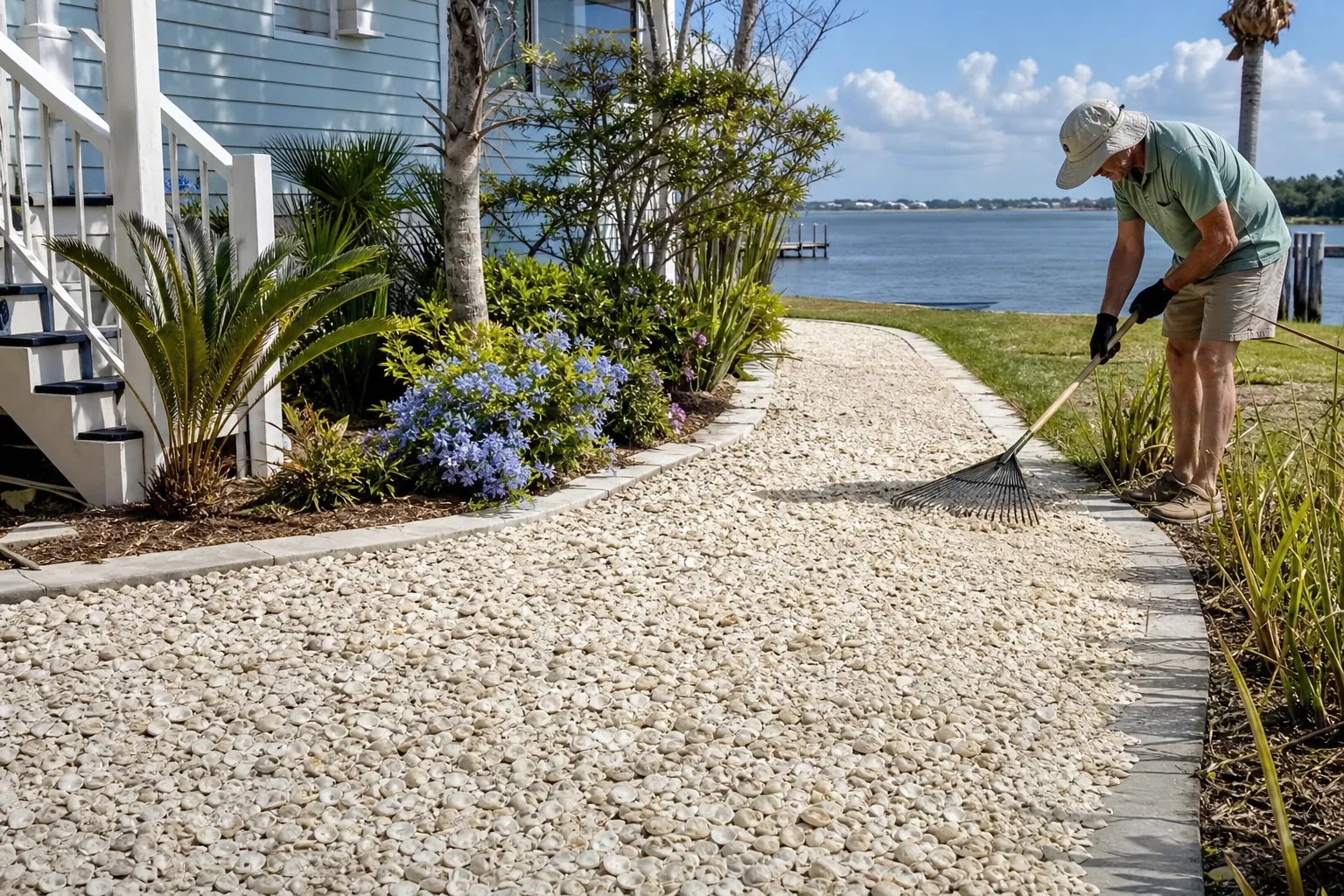
Coquina shell dust control starts with choosing material that suits your use; light watering, sound drainage, and gentle handling can help reduce loose dust. They won't prevent every dusty day; for Flagler Beach buyers, the best plan covers the shell order, delivery spot, and daily use of the finished surface.
Tropical Yards supplies coquina shell and tropical plants, with dump trailer delivery; it does not spread shell, install plants, or maintain yards. This guide helps you plan your purchase and do the work yourself; ask about the current material before choosing an amount or setting a delivery date.
What helps with coquina shell dust control?
Dust control works best when you address the source of loose fines; check the shell's texture, limit rough handling, and manage water with care. A stable surface can shed less loose material than a churned one; your results will depend on the shell mix, site, weather, and how people use it. Review coquina shell choices and dump trailer delivery planning.
Coquina shell can include shell pieces and smaller grains; those small grains are often called fines. When they dry out and become loose, wind or foot traffic can move them; a load's mix matters, so don't judge every batch by one photo.
Ask what the available material looks and feels like; find out if there are many small grains among the shell pieces. Ask if you can view a sample or clear photo; neither replaces a close look, but both can guide your buying choice.
Think about what will cross the surface each day; a quiet garden path faces different wear than a busy parking spot. Shoes, tires, and dragged bins can stir loose grains; repeated turns may disturb the same small area again and again.
Start with these questions before you order:
- Ask about the size range and fines in the current coquina shell stock.
- Explain if the shell will cover a path, garden area, or parking space.
- Check where water flows before you choose the area for your shell.
- Plan how you will move and spread the load after delivery.
- Keep loose shell and dust away from drains, sidewalks, and nearby roads.
No single step fits every yard; adding water may help briefly, yet poor drainage can create another problem. Removing all fines may change how the material settles; choose a plan that balances dust, drainage, comfort, and the intended use.
A small trial area can be useful before a larger project; place a sample where the planned surface will sit. Check it after dry weather, light watering, and normal foot use; this gives you a better sense of its feel and upkeep needs.
How should you choose shell for a less dusty surface?
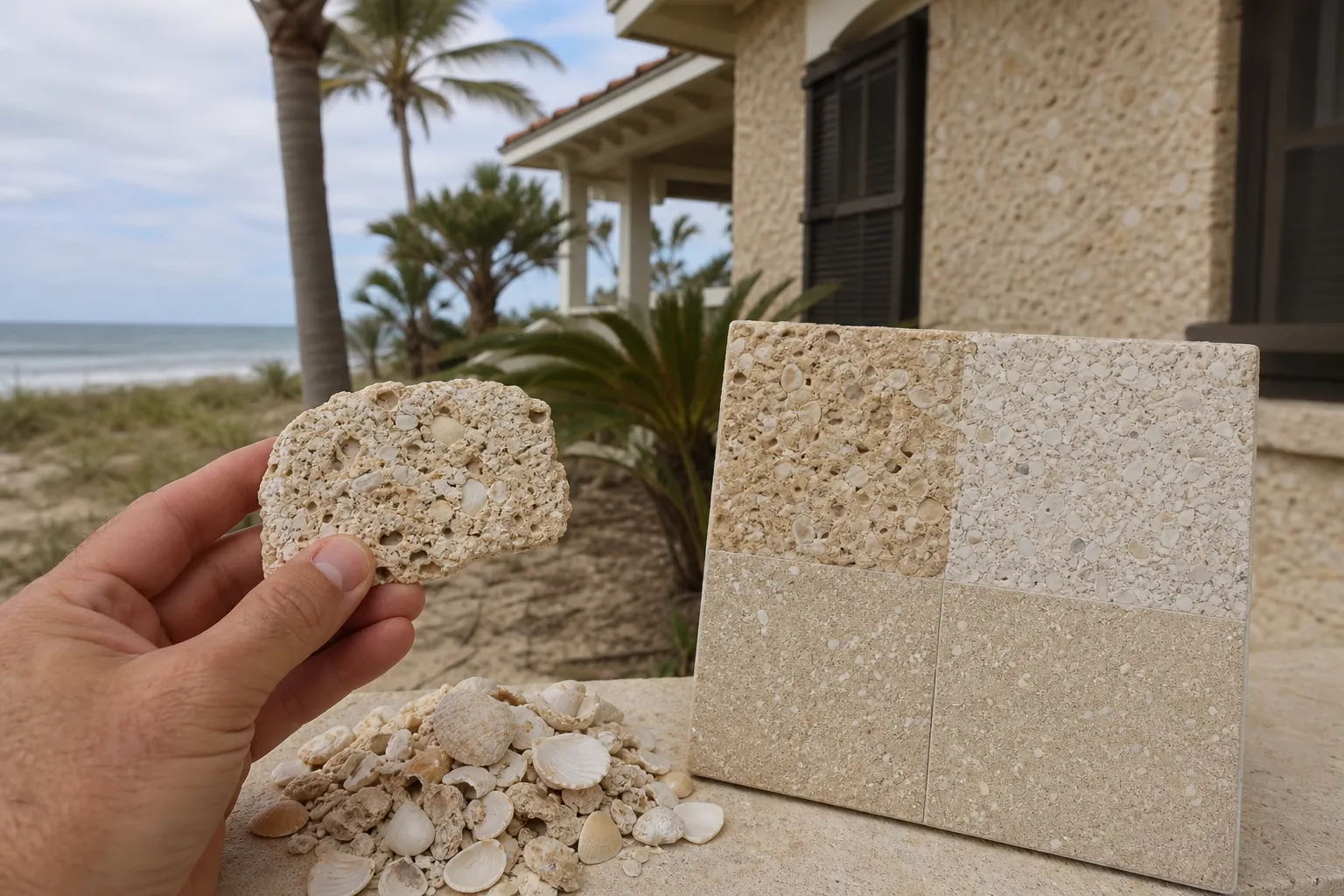
Choose shell based on its current mix and your planned use; ask about fines, piece size, and how the material is sold. Don't assume a larger shell piece means a dust-free load; match the surface to expected traffic, and confirm the order unit before working out how much you need. Review coquina shell choices and dump trailer delivery planning.
The term coquina shell alone doesn't tell you every detail; material can vary in texture and the share of smaller grains. Ask Tropical Yards about the stock available for your order; keep your questions tied to the surface you want to build.
Describe your goal in plain terms; you may want a light-use path beside a garden. You may need shell for an open yard area. Tell the supplier if loose dust is a main concern; that helps focus the talk on material choice rather than looks alone.
Don't choose shell by color alone; a pale surface may look right beside tropical plants. Still, its feel underfoot and response to use matter more; shell edges can be uneven, so test a sample with the footwear you expect to wear.
For a path, think about width and nearby beds; a narrow route may push users onto the same worn strip. Tight corners can lead to scuffing and displaced shell; plan enough room for normal movement without spreading the material into planted areas.
For vehicle use, check the needs of the whole surface; shell selection alone doesn't solve weak ground or poor drainage. Ask a qualified local professional about load support when needed; Tropical Yards supplies material, rather than assessing or building your driveway.
Measure the length and width of the planned area; then choose a depth suited to the project. The amount needed depends on all three measurements; changes in ground level can affect your estimate, so don't rely on a rough glance.
Confirm how the supplier measures and sells the load; ask how to compare your area and depth with that unit. Avoid adding extra material without a place to use or store it; an unused pile can become another source of loose dust.
How can you plan dump trailer delivery in Flagler Beach?
Plan delivery around access, a safe drop spot, and your ability to move shell; Tropical Yards offers dump trailer delivery of plants and coquina shell from St. Augustine to Daytona Beach. For a Flagler Beach order, confirm access details before delivery; the service brings your material; it doesn't include spreading or yard work.
Choose a drop area close to the project when practical; every extra move adds work and can stir dust. The spot must still allow safe trailer access and unloading; ask the supplier what space and ground conditions the delivery needs.
Share clear details about the approach to your property; mention gates, narrow turns, overhead lines, and low tree limbs. Explain any soft ground or steep change in level; a photo can help show access, but it may not reveal every concern.
Don't assume a trailer can fit where a car can; it needs room to turn and unload. The driver may need a different drop spot than you planned; confirm that option before the load arrives, rather than making a rushed choice.
Keep the pile off drainage paths and out of public travel routes; avoid placing it against fences, plant stems, or stored items. Make sure doors and gates can still open; you also need room to load a wheelbarrow without crowding traffic.
Use this short delivery checklist:
- Confirm the order amount, delivery address, and agreed drop location before arrival.
- Tell the supplier about narrow gates, overhead lines, and soft ground.
- Clear loose items from the access route before the delivery reaches your property.
- Keep children and pets away from the trailer and unloading area.
- Arrange your own tools and help for moving shell after delivery.
Check the forecast while planning your work; strong wind can make handling loose material harder. Heavy rain can make access soft or send fines downhill; discuss concerns with the supplier rather than assuming the drop can proceed as planned.
If the shell must sit for a while, plan storage too; a suitable cover can help limit wind disturbance. Secure it safely, and keep runoff from carrying material away; don't leave a cover loose where wind could lift it into traffic.
How should you handle and spread shell yourself?
Handle shell gently and work in small stages to limit dust; keep people clear of active work, and avoid throwing dry material. Use tools suited to the task and your strength; light dampening may help when conditions allow, but stop if water starts pooling or carrying fines away. Review coquina shell choices and dump trailer delivery planning.
Set up tools before you begin moving the pile; a shovel, sturdy rake, and wheelbarrow may suit a small project. Check each tool for damage and loose parts; wear gloves and closed shoes to help protect against rough shell edges.
Keep loads small enough to move with control; heavy loads can strain your body and spill on turns. Clear the route between the pile and work area; take breaks, especially during warm Florida weather, and avoid rushing to finish.
Place shell close to the ground rather than tossing it; high drops can stir more loose dust. Spread a small amount, then check the level before adding more; this makes it easier to spot low areas and avoid thick patches.
Keep bystanders away when dust becomes visible; eye protection helps shield your eyes from loose bits. Avoid breathing airborne dust, and pause work when clouds form; if needed, seek advice on suitable respiratory protection for the material and task.
A gentle spray may dampen loose grains before handling; use only enough water to help settle the surface. Don't soak the pile or direct runoff toward drains; wet shell can be heavier, so adjust each load to what you can manage.
Ground preparation depends on the project and site; soft soil, slopes, and regular vehicle use need special care. Don't treat a shell layer as a fix for weak ground; get qualified advice if the surface must support heavy loads.
Compaction also depends on the material and base below it; ask about suitable methods before renting powered equipment. Follow the equipment maker's safety instructions and keep others clear; the aim is a stable surface, without needless grinding or repeated disturbance.
Tropical Yards doesn't provide this labor or supervise the work; plan your own spreading, site preparation, and any hired help. If the task exceeds your tools or skills, pause; a smaller project or outside help may be the safer choice.
Can watering reduce dust without causing runoff?
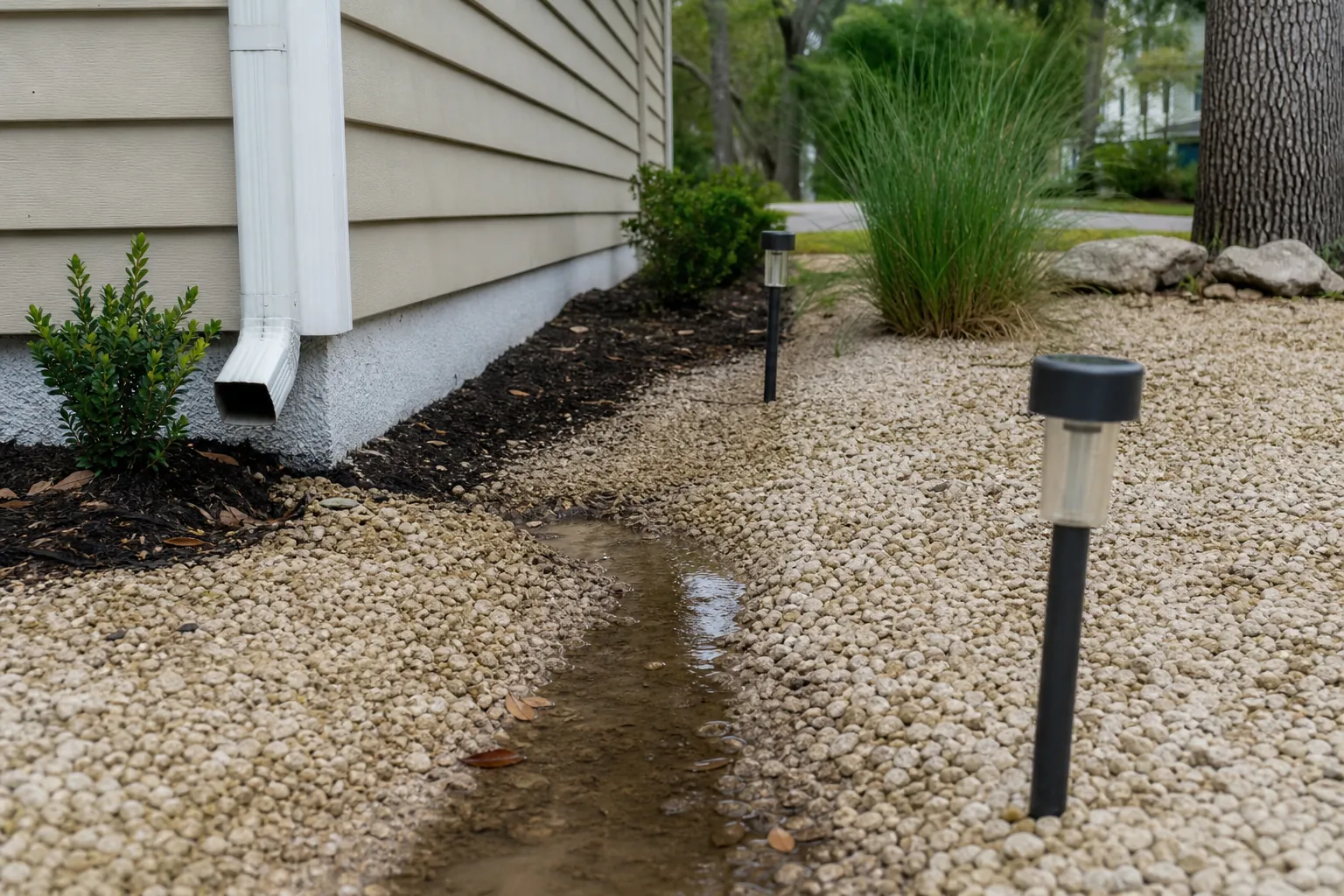
Light watering can help settle loose dust for a time; it works best as a careful step, rather than constant soaking. Check how water moves through and across the shell; stop when puddles or runoff appear, and fix the cause before adding more water to the same area. Review coquina shell choices and dump trailer delivery planning.
Begin with a gentle spray on a small section; watch for water that stays on the surface. Then look downslope for moving fines or cloudy runoff; these signs suggest you should reduce the flow and review drainage.
A hard stream can shift shell and wash small grains away; that can leave uneven spots and create cleanup needs nearby. Use a soft spray instead of aiming a hose nozzle down hard; keep water within your work area as much as possible.
Don't set a fixed watering schedule without checking the surface; rain, shade, heat, and use all change how fast it dries. A surface that is still damp may need no water; check local watering rules before using water for dust control.
Look beyond the shell when drainage is poor; a low spot may collect water from a roof or nearby paving. A hose can't fix that flow path; plan a drainage solution suited to the site before adding more material.
Use these checks when you see dust or runoff:
- Look for loose fines in spots where feet or tires turn often.
- Apply a gentle spray only when the surface needs light dampening.
- Stop watering if puddles form or cloudy water leaves the shell area.
- Check nearby drains after rain without pushing shell or fines into them.
- Review local water rules before making repeated watering part of your routine.
Avoid adding household chemicals, oils, or leftover products to bind dust; their use may harm plants, water, or the surface itself. If you consider a dust-control product, check its label closely; confirm that it suits shell, the site, and nearby plants.
Don't use a product based on a vague claim alone; read its use limits and safety steps. Ask the maker about runoff and plant contact when unclear; for a home project, choosing suitable material and limiting disturbance may be simpler.
How do you keep shell dust from affecting nearby areas?
Keep shell in its planned area and reduce repeated disturbance along edges; watch paths, parking turns, plant beds, and nearby drains for loose material. Use a clear border where it suits the site; check trouble spots after dry weather or rain, then adjust your use or DIY care. Review coquina shell choices and dump trailer delivery planning.
Edges deserve close attention because shell can spread beyond them; a border may help hold larger pieces in place. It won't stop airborne dust or solve poor drainage; choose an edge that suits the use and doesn't create a trip hazard.
Where a shell path meets paving, watch for loose pieces; they can move under shoes or wheels. Gather stray material with care instead of blowing it elsewhere; avoid using a leaf blower on dry fines, which can spread the dust.
Plan traffic so people don't cut across planted beds; keep shell away from plant stems and crowns. When adding plants yourself, follow guidance for each plant type; shell around a bed doesn't replace the soil, water, or root space plants need.
Tropical Yards sells palms, hibiscus, bougainvillea, ferns, and other tropical plants; ask about available stock when planning a combined order. Choose plants for the site's light, space, and soil; you'll need to plant and care for them yourself.
Review the shell surface after a period of normal use; notice where dust appears and what happens there. A scuffed corner may need a wider turning space; a dry, unused pile may need secure covering until you move it.
Keep your response tied to the cause; more shell may not fix a weak base or poor drainage. More water may not help an area that stays wet; small, careful changes let you check results without creating a larger problem.
Frequently asked questions
Will coquina shell be completely dust-free?
No; coquina shell can contain small grains that become dusty when dry. Wind and use can move those grains. Ask about the current material, and test a sample if possible; gentle handling and sound site planning can help limit dust.
Should I rinse the whole shell load?
Don't rinse a load without a plan for the water; a strong flow can carry fines into drains or nearby areas. Light dampening may be enough for handling; stop if runoff forms, and keep loose material out of waterways.
Does Tropical Yards spread shell after delivery?
No; Tropical Yards supplies coquina shell and offers dump trailer delivery. It doesn't spread shell, prepare the ground, or maintain the surface; arrange your own tools, labor, and site work before ordering so the delivery fits your plan.
Can I use shell beside tropical plants?
Plan around each plant's needs before placing shell nearby; keep material away from stems and crowns, and check drainage. Choose plants that suit the soil and light; ask about plant stock, then follow sound planting and care guidance yourself.
What should I ask before placing an order?
Ask about the current shell mix, order unit, and delivery access needs; share your area measurements, planned depth, and intended use. Explain that dust is a concern; confirm the drop spot and arrange your own work after delivery.
Ready to discuss a coquina shell order in Flagler Beach? call Tropical Yards at 772-267-1611 to ask about available material and dump trailer delivery. Share your project needs and access details so you can plan the next step.
UF/IFAS guidance on landscape mulch does not recommend shells as mulch in planted garden beds. Shell does not add nutrients or improve soil water storage. Consider organic mulch around plants and assess shell separately for decorative surfaces or pathways. The UF/IFAS walkway guide discusses material selection and keeping loose surfaces contained.
Call 772-267-1611 to talk through next steps.