A buyer’s guide to coquina shell garden beds in St. Augustine, FL
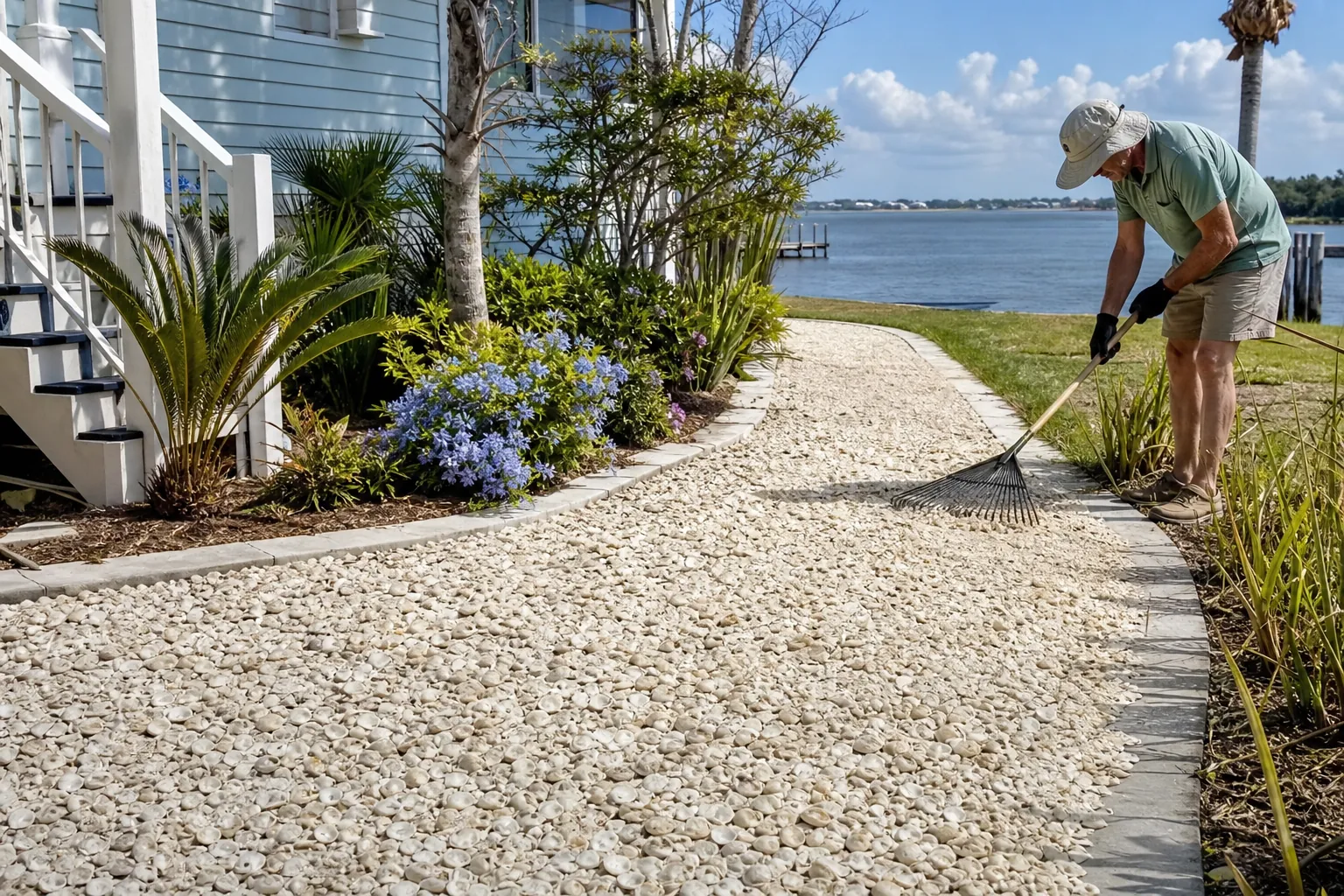
Coquina shell garden beds in St Augustine need a clear distinction between planting soil and decorative surfaces. UF/IFAS does not recommend shell as mulch around landscape plants. Prefer organic mulch in planted areas, and assess shell for a separate path or decorative strip. Plan the boundary before ordering materials.
Tropical Yards sells coquina shell and tropical plants; dump trailer delivery serves the area from St. Augustine to Daytona Beach. This guide covers buying, planning, and doing the work yourself; Tropical Yards does not provide design, installation, maintenance, trimming, or yard cleanup.
Planning Coquina Shell Garden Beds St Augustine
Check the bed’s purpose, plant needs, drainage, and size before buying shell; decide where the shell will sit and how you’ll move it. Ask about the current material and order units; a clear plan helps you choose a useful amount without covering areas that need different care. Review coquina shell choices.
Give each part of the bed a clear role
A planted bed may need several types of ground cover; shell can fill open areas between suitable plants. Some plants may do better with another mulch near their roots; you don’t need one material across the whole space.
Sketch the bed on paper before you measure it; mark plant stems, broad root zones, and open soil. Include paths, downspouts, drains, and irrigation lines; this simple sketch helps separate shell areas from spaces you should leave clear.
Think about how you use the garden each week; you may need room to water, prune, or check leaves. Leave access to hose taps and irrigation controls; avoid filling narrow work spaces where shell would make routine tasks harder.
Look at the soil after rain
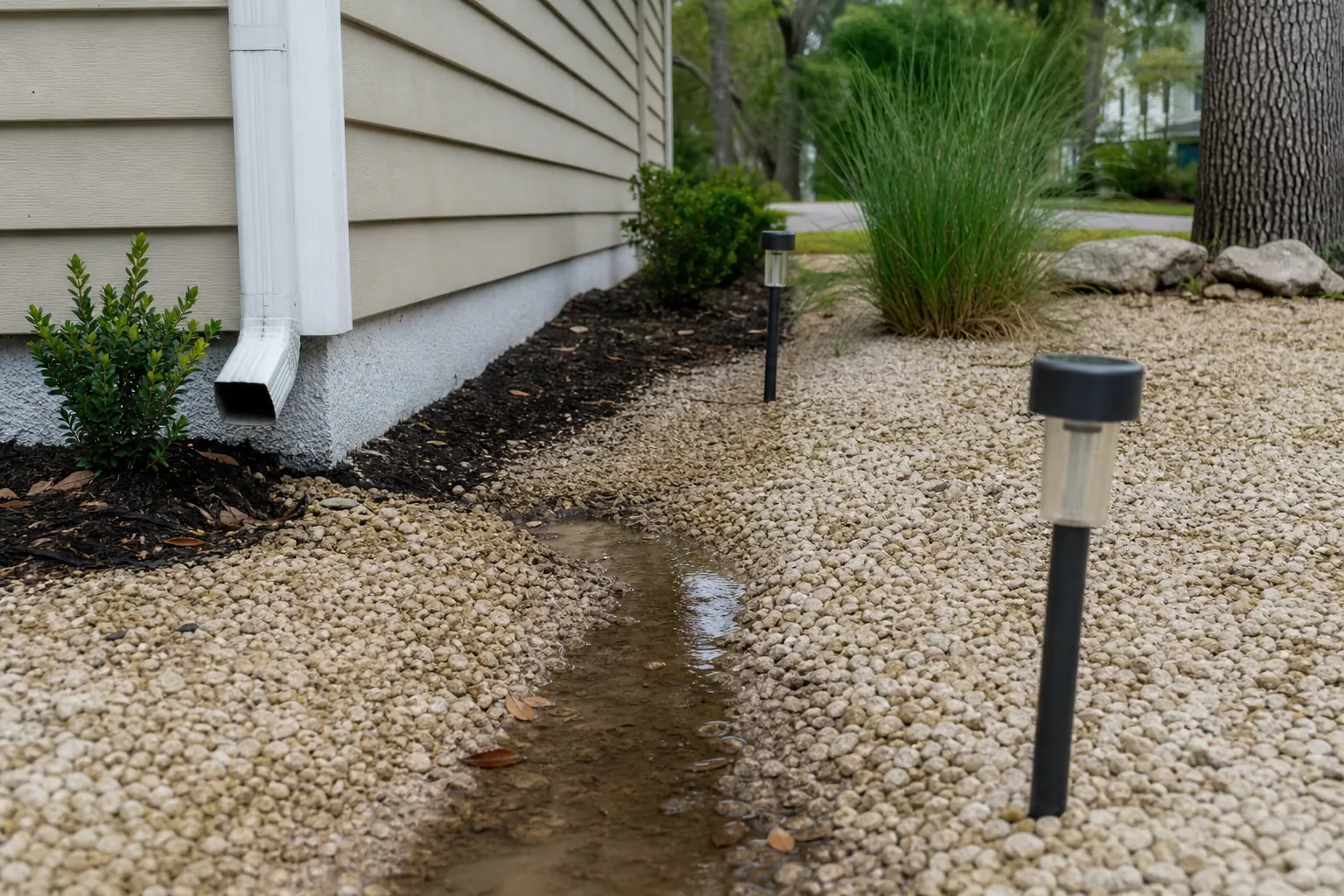
Check the bed after a steady rain; look for pooling, washouts, and water flowing toward the house. Shell on the surface won’t fix compacted soil or poor drainage; address those concerns before covering the bed.
If water stands near plants, find out why; the cause could involve soil, grading, or blocked outlets. Don’t bury a drain beneath loose shell; seek advice for drainage work that goes beyond a simple DIY task.
- Mark the parts of your bed that will receive shell.
- Check plant care needs before choosing a ground cover.
- Watch where rainwater moves through and around the bed.
- Leave clear space around stems, drains, and service points.
- Choose a delivery spot before you place the order.
Set expectations for a natural material
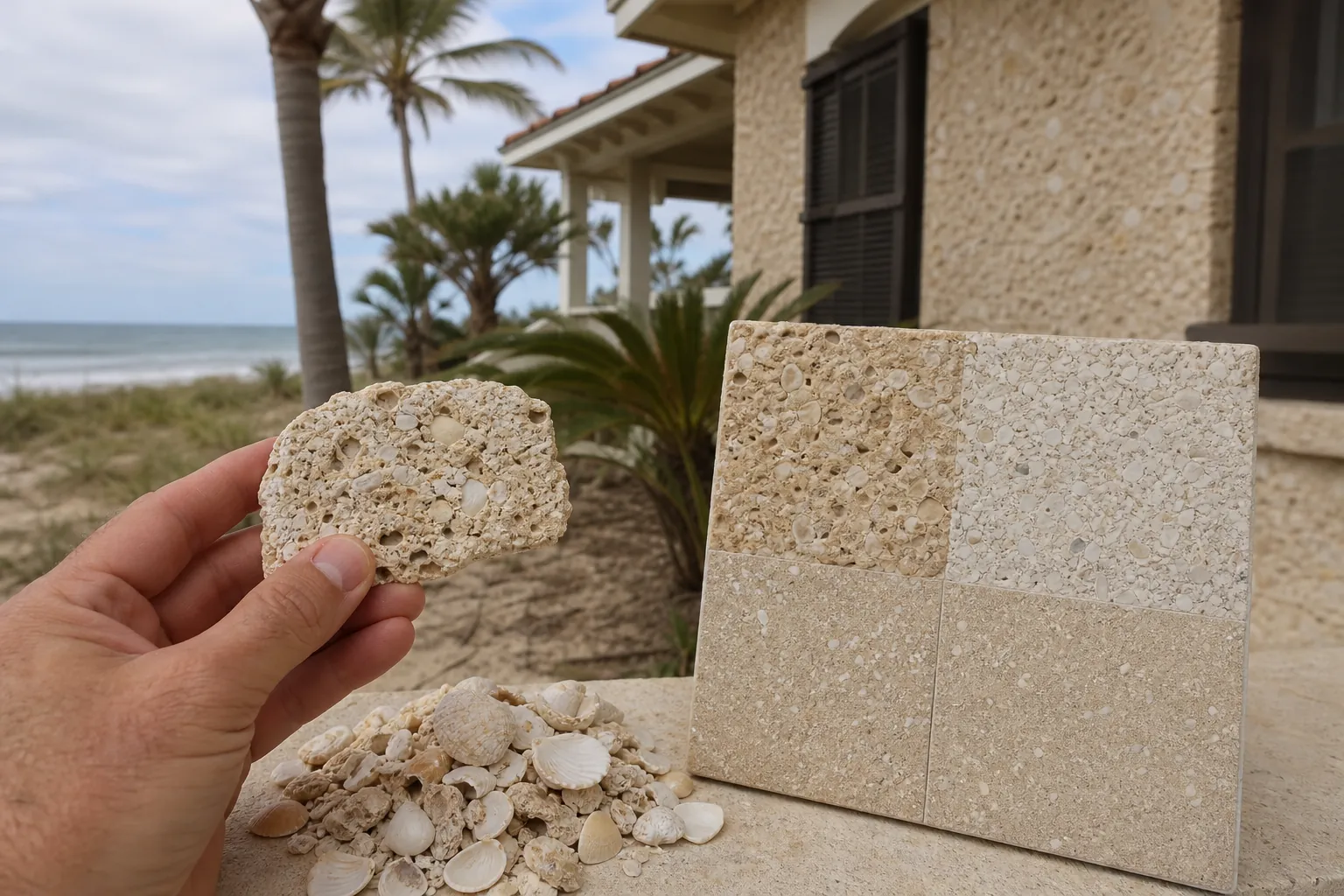
Ask what the current coquina shell looks like; natural material can vary in color, fragment size, and texture. Photos may help, but ask whether they show current stock; don’t assume every order will match an older photo.
Also ask how the shell is sold and measured; your bed plan should match the supplier’s order unit. Confirm those details before working out the amount; a vague request for a few loads can leave too much uncertainty.
How do you choose shell around tropical plants?
Choose shell with each plant’s root zone and care needs in mind; don’t assume one bed cover suits every tropical plant. Keep stems and crowns clear, and check how you’ll water; ask about plant needs separately from shell supply before deciding where each material belongs. Review coquina shell choices.
Match the cover to the plant
Tropical Yards sells palms, hibiscus, bougainvillea, ferns, and other tropical plants; these groups have different needs for light, moisture, and soil. Even plants within one group can need different care; use the plant’s exact name when seeking care advice.
Choose plants for the space you have now; check mature size, light levels, and cold tolerance. A small plant can outgrow a narrow bed; leave room for future growth instead of placing shell right against stems.
Shell-based materials can affect soil conditions over time; plants that need acidic soil deserve extra care in your plan. A soil test can help you understand the starting point; ask a local extension office which test fits your needs.
Don’t use shell as a way to correct soil pH; soil changes need a clear goal and sound advice. Plant care should guide that choice, rather than color alone; keep a separate mulch zone when that better fits the plant.
Leave breathing room at the base
Keep loose material away from trunks, stems, and plant crowns; these parts should stay visible and easy to inspect. Don’t pile shell against the base for a fuller look; leave space to see signs of stress or decay.
For a new plant, follow its planting depth guidance; don’t raise the soil level by adding a thick shell layer. Keep the root flare visible where the plant has one; check the settled surface again after watering.
Make watering easy to check
Plan how water will reach the soil below the shell; check irrigation coverage before spreading the material. Keep drip parts accessible for repairs and checks; avoid hiding a leak beneath a finished bed.
Check soil moisture rather than judging by the shell surface; a dry top layer doesn’t always mean dry roots. Use the plant’s needs to guide watering; recheck your routine after changing the bed cover.
Shade and sun can change within one garden bed; note those changes when you place new plants. A fern and a bougainvillea may need very different spots; ask about the specific plants you intend to buy.
How do you measure a bed and plan your shell order?
Measure the areas that will receive shell, then choose a suitable depth; leave out paths, plant openings, and spaces using another mulch. Share the measurements with the supplier before ordering; confirm the sales unit, because area and volume describe different parts of your material needs. Review coquina shell choices and dump trailer delivery planning.
Break an uneven bed into simple shapes
Measure a rectangular area by length and width; multiply those figures to find its square footage. For curved beds, use smaller shapes that you can measure; add those areas for a practical working total.
Don’t measure the whole garden if only parts need shell; subtract large plant openings and other uncovered spaces. Mark those spaces on your sketch to avoid double counting; check each measurement before placing an order.
Use one unit throughout your area notes; feet are often simpler than mixing feet and inches. Write down the length and width for each section; keep those notes handy when you call.
Convert area into a planning volume
Volume depends on both bed area and spread depth; in feet, multiply area by the depth in feet. Divide cubic feet by 27 to get cubic yards; if depth is in inches, first divide it by 12.
This formula gives a planning volume, not an exact order amount; uneven ground and material shape can affect coverage. Ask which spread depth fits the intended use and current shell; confirm how the supplier handles order quantities.
| Planning detail | What to record | Why it matters |
|---|---|---|
| Bed area | Measure only the space that will receive shell. | This keeps plant openings out of your total. |
| Spread depth | Record the depth used in your volume calculation. | A deeper layer needs more material. |
| Order unit | Ask how the available shell is sold. | Your calculation must match the sales unit. |
| Ground condition | Note slopes, dips, and uneven sections. | These can change how material spreads. |
| Drop location | Identify a suitable spot for the delivery pile. | You need room to store and move shell. |
Allow for the real shape of your yard
A level rectangle is easier to estimate than a sloped bed; don’t add extra shell to hide low spots without checking drainage. Keep the intended finished level in mind; shell should not block nearby paving or drain openings.
If the calculation feels uncertain, share your measurements and questions; ask what information is needed to discuss an order. Don’t treat a rough estimate as a final quantity; confirm the amount before scheduling delivery.
What should you plan for dump trailer delivery?
Plan a clear route, a suitable drop spot, and your own moving tools; dump trailer delivery places material at an agreed location, subject to access and conditions. It does not include spreading shell or planting; discuss site limits before ordering, especially gates, soft ground, slopes, and overhead obstructions. Review coquina shell choices.
Describe access before the delivery day
A route that fits a car may not fit a trailer; describe narrow turns, parked vehicles, gates, and driveway edges. Mention branches, wires, and other overhead features; let the supplier assess access rather than guessing what will fit.
Share photos if requested to help explain the space; include the approach and the proposed drop area. Photos can help, but they don’t settle every access issue; ground and weather conditions may still affect delivery.
Tell the supplier about known buried systems near the route; these may include irrigation lines, septic parts, or drain fields. Don’t choose a drive path over sensitive areas; use a drop spot that avoids those concerns.
Choose where the pile will go
Pick a spot that leaves daily access open; avoid blocking doors, sidewalks, drains, or shared drives. Check any rules that apply to your property; don’t assume you can place loose material on a public route.
A nearby drop spot can reduce the distance you move shell; still, access and ground safety come first. Ask whether your chosen location is workable; have an alternate location ready if the first one is unsuitable.
- Clear parked cars and movable objects from the planned route.
- Tell the supplier about gates, slopes, and overhead obstructions.
- Keep the drop spot away from drains and plant stems.
- Check local and community rules for temporary material storage.
- Have your own tools ready to move and spread shell.
Plan your own work after unloading
You’ll need to move shell from the pile to the bed; plan for that distance and the ground along the route. A wheelbarrow or garden cart may suit the task; use small loads that you can control safely.
Think about where unused shell will stay during the work; keep the pile from spreading into walkways or drainage routes. Don’t schedule more work than you can handle comfortably; delivery and DIY spreading are separate parts of the project.
How do you prepare and spread shell yourself?
Prepare the bed before delivery, then spread shell in small sections; clear unwanted growth, check irrigation, and define the bed edge. Keep the planned depth even without burying plant bases; use safe tools and protective gear, and stop if you uncover utilities or an unexpected drainage problem. Review coquina shell choices and dump trailer delivery planning.
Start with a bed you can inspect
Clear weeds and debris from the planned shell area yourself; check for roots, irrigation parts, and hidden objects. Avoid deep digging near established plants; locate buried utilities before any digging that requires it.
Don’t cover active weeds and expect the problem to end; remove unwanted growth with a method suited to the site. Protect nearby plants while doing so; keep exposed soil work brief where rain could cause erosion.
Decide whether the bed needs an edge to contain shell; choose one that fits the ground and nearby paths. Keep it from blocking water flow; check its height against the finished shell surface.
Use fabric only after weighing the tradeoffs
Landscape fabric isn’t a required step for every shell bed; it can complicate later planting and work around roots. Weeds can still grow in debris above it; think about future changes before covering the soil.
If you use fabric, follow the product’s directions; leave suitable openings around existing plants. Keep irrigation parts accessible and check how water enters the soil; avoid treating fabric as a cure for poor drainage.
Spread in small, controlled loads
Wear gloves, sturdy shoes, and suitable eye protection while handling shell; shell fragments can have sharp edges. Keep children and pets away from the work area; avoid tossing material toward glass, vehicles, or people.
Place small loads across the area, then spread them evenly; work around plants rather than dumping onto their bases. Check depth at several points as you go; keep the shell below nearby edges where practical.
- Inspect the exposed bed before adding any new material.
- Protect nearby plants while moving tools and loaded carts.
- Spread small loads to keep control of the final depth.
- Leave stems, crowns, drain openings, and irrigation parts clear.
- Check the finished bed after its first thorough watering.
Take a final walk around the bed when finished; look for buried stems, blocked drains, and loose shell on paths. Correct those spots before putting tools away; then watch how the bed behaves during rain.
How do you care for a shell-covered garden bed?
Care for the plants and check the shell as separate tasks; watch soil moisture, remove new weeds, and keep plant bases clear. Inspect the bed after heavy rain or nearby work; add shell only where needed, rather than raising the whole bed each time it looks thin. Review coquina shell choices and dump trailer delivery planning.
Check plants rather than relying on appearances
A neat shell surface doesn’t show the health of roots; watch leaves, new growth, and soil moisture. Adjust care for the plant and season; don’t assume the ground cover removes the need for watering checks.
Keep fertilizer use tied to the plant’s needs; follow product directions and avoid loose guesses. Shell is a ground-cover choice, not a complete feeding plan; seek advice when plants show ongoing signs of stress.
Keep small problems from spreading
Remove new weeds before they spread through the bed; clear fallen leaves when they build up in open shell areas. Use care around shallow roots and drip lines; choose tools that won’t scatter shell into nearby grass.
After heavy rain, check for movement at slopes and edges; find the water source before adding more material. Repeated washouts may call for a drainage review; more shell alone may leave the cause unchanged.
Keep shell from building up against plants over time; thin spots don’t always mean the whole bed needs topping up. Restore the intended depth only where appropriate; leave room for future planting and root growth.
Frequently asked questions
Does Tropical Yards install coquina shell garden beds?
No; Tropical Yards supplies coquina shell and tropical plants, with dump trailer delivery. You handle bed prep, moving material, spreading shell, and planting; the business does not provide design, installation, maintenance, trimming, or yard cleanup.
Can coquina shell stop all weeds in a garden bed?
No; weeds can grow through gaps or in debris above the shell. Prepare the bed before spreading material, then check it often; remove new growth early and keep fallen leaves from building up.
Should I put shell directly against palm trunks?
Keep shell away from trunks and plant bases; leave those areas visible for inspection and care. Follow planting guidance for the specific palm; don’t use shell to raise the soil level around its base.
How much coquina shell should I order?
Measure the area and choose a suitable spread depth first; use those figures to calculate a planning volume. Then confirm the sales unit and quantity with the supplier; leave out areas that won’t receive shell.
Can I order plants and coquina shell for delivery?
Tropical Yards offers dump trailer delivery of plants and coquina shell; service runs from St. Augustine to Daytona Beach. Ask about current stock, scheduling, and delivery arrangements for your order; confirm access and unloading plans before the delivery date.
Ready to discuss your supply needs? Call Tropical Yards at 772-267-1611. Have your bed measurements, plant questions, and delivery access details ready. Ask about current coquina shell stock and tropical plants for your DIY project.
UF/IFAS guidance on landscape mulch does not recommend shells as mulch in planted garden beds. Shell does not add nutrients or improve soil water storage. Consider organic mulch around plants and assess shell separately for decorative surfaces or pathways. The UF/IFAS walkway guide discusses material selection and keeping loose surfaces contained.
Call 772-267-1611 to talk through next steps.