A buyer’s guide to coquina shell material specifications in St. Augustine, FL
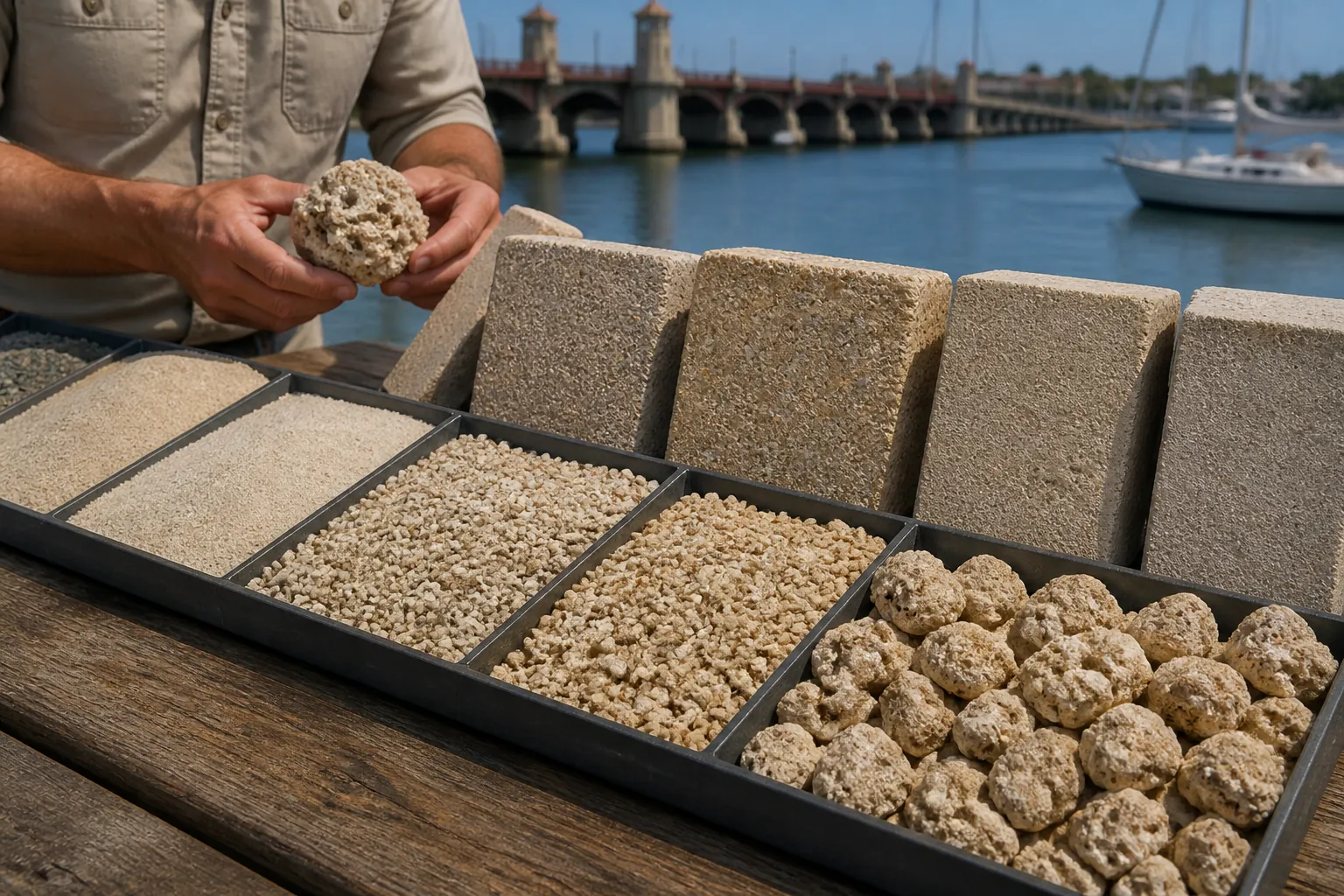
Coquina shell material specifications help you compare shell before you place an order. Ask about piece size, fine content, color, debris, and the unit sold. Then confirm your planned use and delivery access. These checks help you choose material based on facts rather than a photo alone.
Tropical Yards supplies coquina shell and tropical plants, with dump trailer delivery from St. Augustine to Daytona Beach. This guide explains what buyers should ask before ordering. It covers material choices and DIY planning, not a fixed product specification sheet.
Which coquina shell material specifications should buyers confirm?
Start with the shell’s size range, grading, fine content, and cleanliness. Ask how the current stock compares with a recent sample. Confirm the sales unit and intended use before ordering. Tropical Yards can discuss coquina shell sales and coquina shell delivery planning, but exact stock details need confirmation for your order.
A useful specification describes what you will receive in clear terms. Words like “small,” “clean,” or “natural” leave room for different meanings. Ask the seller to explain those terms with a sample or size reference. Keep those details with your order notes.
Coquina shell can refer to loose shell material in a landscape supply setting. Do not assume it means solid coquina stone or cut building blocks. Describe your project when asking about the product. That helps prevent a mix-up between shell cover and building material.
Material names alone do not show how a load will look. Ask if the product contains mostly shell pieces or a broader blend. Find out what else may be present. The answer matters when you want a certain texture or surface finish.
- Ask for the stated size range and how that range is checked.
- Ask whether the shell is screened, washed, or sold without those steps.
- Confirm whether fine particles and larger shell pieces are part of the blend.
- Ask what unwanted material, if any, may be present in the current stock.
- Confirm the sales unit and any load size limits before ordering.
- Request a current sample or clear photos with a familiar size reference.
These questions are buying checks, not claims about available stock. Avoid treating a general guide as a supplier’s written product sheet. If a detail will affect your choice, confirm it before payment. Record the answer in plain language you can review later.
For a project with formal plans, use the project’s actual requirements. A casual product name cannot replace a required grade or test. Ask the person responsible for those plans about acceptable materials. Do that before choosing shell based on appearance.
How do shell size, fines, and color affect your choice?
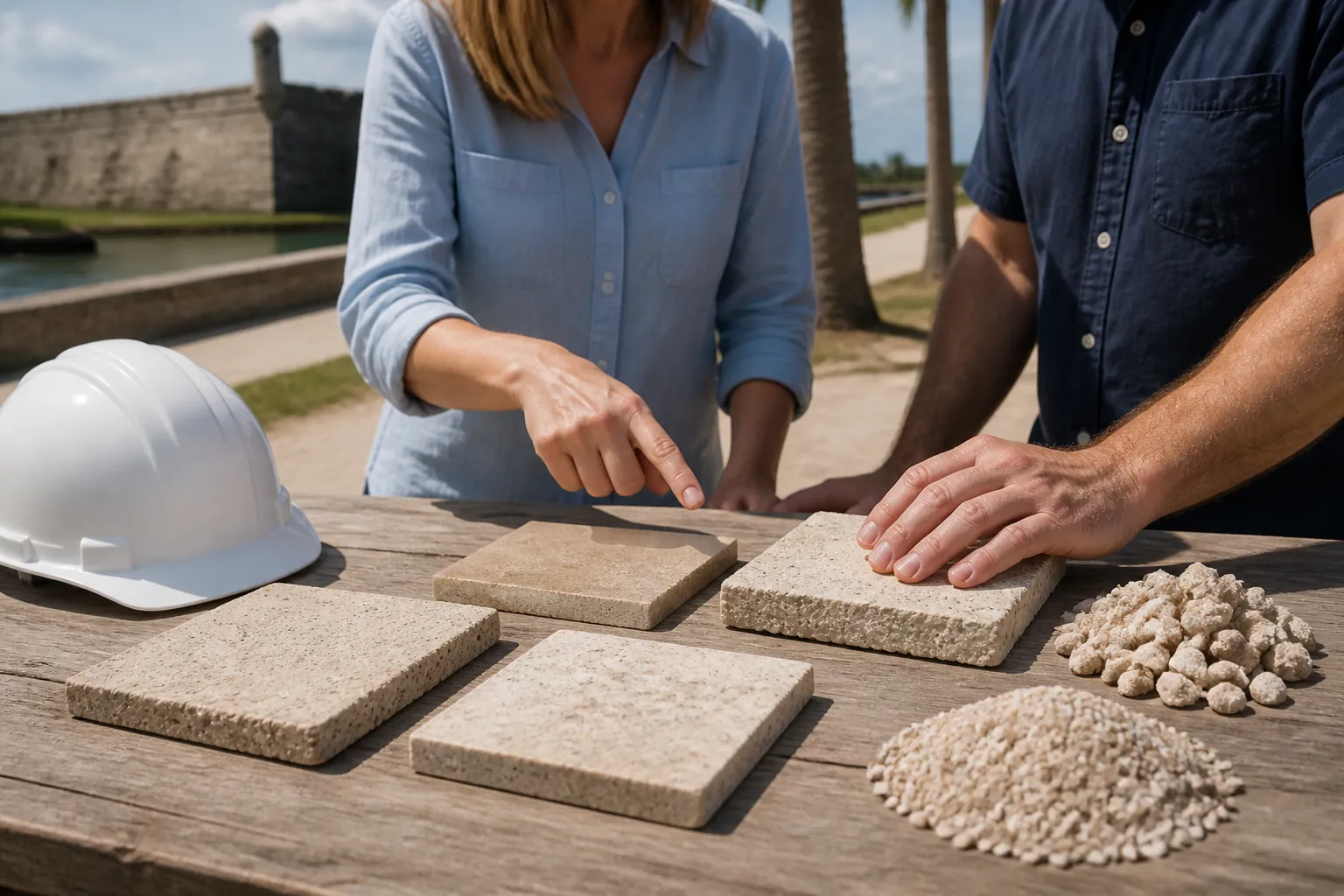
Shell size affects texture, while fines affect how the material fills gaps. Color affects the finished look, though photos can shift its tone. Review these traits together rather than choosing by color alone. A small sample helps you judge the blend, but it cannot show every part of a load. Compare coquina shell material options and coquina shell delivery planning when planning this step.
Large pieces can create a bold, rough surface. Smaller pieces may give a more even visual texture. A wide size range can look quite different from a narrow one. Ask to see the mix spread out, rather than packed into a cup.
Fines are the small particles within the material. Ask how the seller describes or measures their share. Do not assume that “screened” means all fines are removed. Find out what screening means for the product you plan to buy.
Too much focus on one trait can hide another concern. A pleasing color does not tell you how sharp the pieces feel. A fine texture does not prove suitability for foot traffic. Match the material’s known traits to the space you plan to cover.
View a sample in daylight near the project area. Compare it with your walls, edging, and nearby paving. Look at it both dry and damp if possible. Moisture and light can change how shell appears in photos and in person.
Ask whether color and texture vary between loads. If your project needs more than one delivery, discuss that early. Keep samples and order notes for later reference. Do not expect a natural material to match like a factory-made tile.
Think about shoes, bare feet, pets, and nearby doors. A rough shell piece may be unwelcome beside a barefoot route. Loose pieces may move beyond an uncontained edge. These are reasons to review the site, not reasons to assume shell fits every space.
What should a shell specification sheet include?
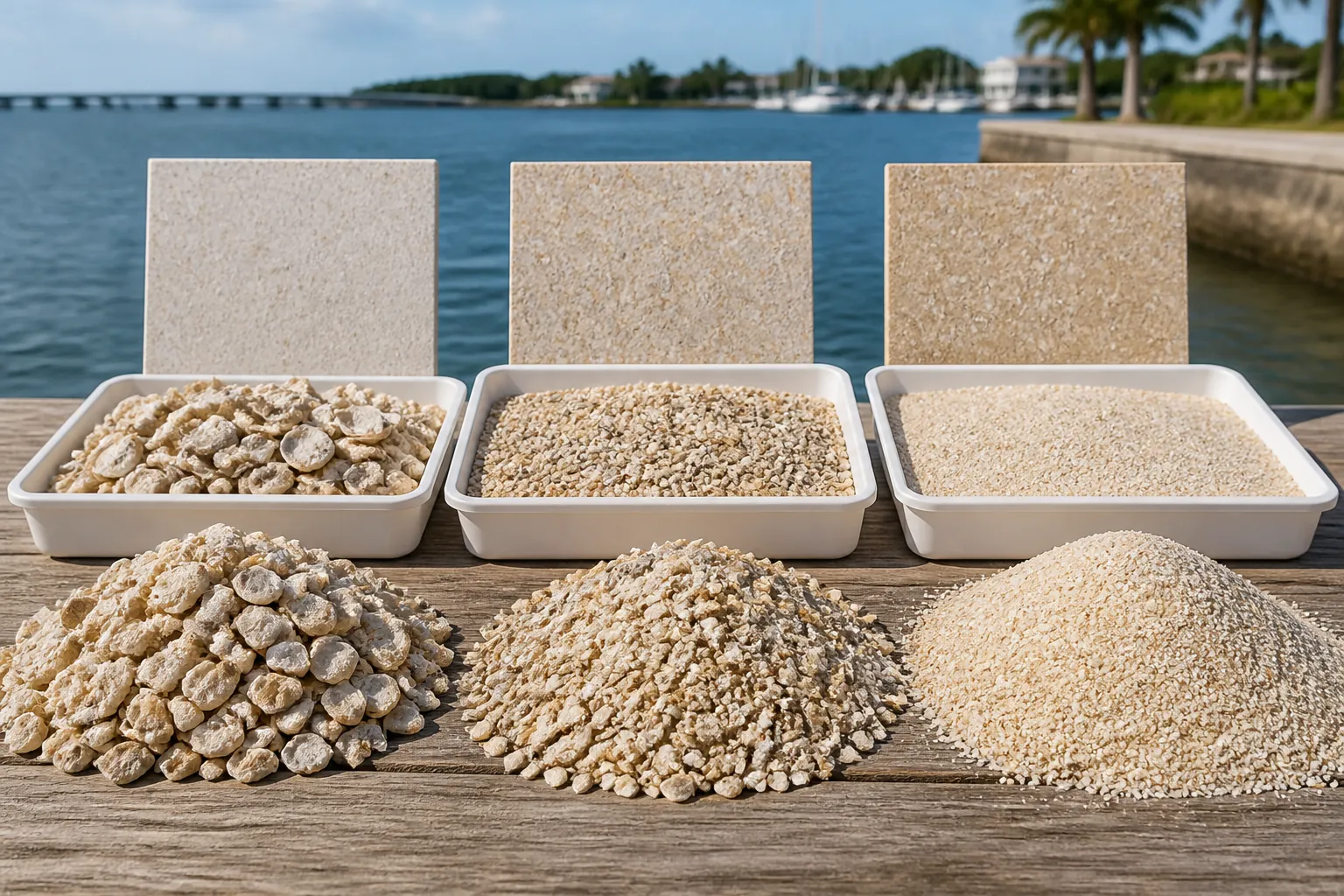
A useful shell specification sheet separates measured facts from visual descriptions. It should identify the product, sales unit, size information, and known processing steps. It should also state any limits on use. If a detail is unknown, mark it for review rather than filling the gap with an estimate. Compare coquina shell material options and coquina shell delivery planning when planning this step.
You may not receive a formal sheet for a small order. Even then, a short written checklist can help. Use the same questions when comparing material from different sources. Similar product names can hide different size ranges, units, or processing methods.
The table below shows what to request and why. It does not state Tropical Yards stock values or test results. Those details must come from current product information. Leave no critical field to guesswork when it affects your buying decision.
| Item to confirm | Useful detail to request | Why it matters |
|---|---|---|
| Product name | Ask for the exact name used on the order. | It helps keep the quote and delivered product aligned. |
| Size range | Request stated sizes and the basis for that description. | Size affects texture and how the shell looks spread out. |
| Fine content | Ask how much fine material is normally included. | Fines change the blend compared with larger shell pieces. |
| Processing | Confirm any screening or washing rather than assuming it. | Each process describes a different step in material handling. |
| Cleanliness | Ask about soil, plant matter, and other unwanted material. | Unwanted material may affect appearance and planned use. |
| Sales unit | Confirm whether the order uses volume, weight, or another unit. | You need the right unit to compare quotes and quantities. |
| Use limits | Ask what uses lack supporting product information. | A decorative product should not be assumed suitable for structural work. |
Ask for supporting records if your plans require tested properties. A sample cannot establish load-bearing strength or prove drainage performance. Do not infer those traits from shell size alone. Refer technical questions to the person responsible for your project’s design.
Keep the final product description with the delivery details. Include the date, quantity, and any agreed notes about variation. Written notes reduce the chance of mismatched expectations. They also make a later order easier to discuss.
How do you estimate the amount of shell to order?
Measure the area first, then choose a planned finished depth. Use those figures to estimate volume in one clear unit. Confirm how the seller converts that estimate into an order. Allow for site shape and settling only with a sound basis, rather than adding an arbitrary extra amount. Compare coquina shell material options and coquina shell delivery planning when planning this step.
For a rectangular area, multiply length by width in feet. That gives the area in square feet. Convert your chosen depth from inches to feet. Multiply area by depth to find cubic feet, then divide by 27 for cubic yards.
For example, a 10-foot by 12-foot space covers 120 square feet. A two-inch depth equals one-sixth of a foot. The result is 20 cubic feet, or about 0.74 cubic yard. This is a math example, not a recommended shell depth.
The right depth depends on the planned use and site conditions. Existing levels, edging, and door clearances may constrain your choice. Ask about those issues before finalizing your quantity. Do not use extra depth to hide an unresolved drainage problem.
- Measure each distinct section instead of guessing the whole space at once.
- Subtract large areas that will remain uncovered, such as paving or fixed features.
- Record the planned depth beside each area so your math stays clear.
- Keep all length measurements in feet before working out the total volume.
- Confirm the seller’s order unit before turning your estimate into a purchase.
Curved spaces need a little more care. Break them into simple shapes and total their areas. For narrow strips, measure the width at several points. Note where the ground dips or rises instead of assuming one even depth.
Do not convert volume to weight using an unrelated online figure. The relationship depends on the material and its condition. Ask which conversion, if any, applies to the stock being sold. Also confirm how the ordered quantity is measured.
Check where the new shell will meet existing surfaces. Your planned depth should leave room for the intended edge detail. Keep soil levels and plant bases in view during planning. A clear sketch can help you explain the project when ordering.
What should you check before dump trailer delivery?
Confirm the route, entry width, dump location, and ground conditions before coquina shell delivery planning day. Tell the supplier about slopes, soft areas, low branches, and overhead wires. Dump trailer access needs more than a space that fits a car. The driver must assess safe access and unloading conditions at the site. Compare coquina shell material options when planning this step.
Tropical Yards offers dump trailer delivery of plants and coquina shell. Its delivery area runs from St. Augustine to Daytona Beach. Ask about scheduling, load limits, and access needs for your order. Do not assume that a preferred drop spot can be reached.
Choose a proposed drop area near your DIY work zone. It should avoid blocking doors, paths, and needed vehicle access. Discuss the surface beneath the load before settling on that spot. A heavy load can affect surfaces and buried features.
Tell the supplier about septic systems, buried tanks, and known utilities. Mention irrigation lines or other features near the planned route. Never ask a driver to cross a surface of unknown strength. If you lack key site details, resolve them before delivery.
- Measure the narrowest entry point and share that width with the supplier.
- Describe turns, slopes, and soft ground along the full proposed access route.
- Point out overhead wires, branches, roof edges, and other height limits.
- Keep children, pets, and parked cars away from the unloading area.
- Agree on a backup plan if the preferred drop spot proves unsafe.
Make sure someone can answer access questions on delivery day. Provide clear directions to the correct entrance and drop area. Do not rely on a map pin to show every site detail. Share any access changes as soon as you know them.
Dump delivery places material at an agreed, accessible spot. It does not include spreading shell or preparing your yard. Plan your own tools, helpers, and work schedule in advance. Tropical Yards is a supplier, not a landscape labor service.
Ask how weather may affect access or timing. Wet ground can change a route that looked firm earlier. Keep the delivery area clear until the load arrives. Let the driver make the final call on safe vehicle movement and unloading.
How should DIY buyers check and use the delivered shell?
Review the delivered shell against your order notes before spreading it. Check its general size, blend, color, and visible cleanliness. Contact the supplier promptly if something seems different from the agreed description. Keep the coquina shell delivery planning area separate from your work area until you have reviewed any concern. Compare coquina shell material options when planning this step.
Compare the load with your sample in similar light. A pile may look different from a thin, spread layer. Look at several areas rather than judging one handful. Natural variation can occur, but questions deserve a clear discussion before work proceeds.
Use suitable gloves, closed shoes, and eye protection when handling shell. Follow the safety directions for any tools you use. Keep bystanders clear while shoveling or moving loads. Avoid lifting more than you can safely handle.
Plan short moves from the pile to the project area. Keep wheelbarrow loads manageable and walking routes clear. Uneven ground can make loaded equipment hard to control. Stop if the route becomes slick or unstable.
Keep shell away from drains and places where loose material could escape. Review edging needs before you spread the full load. Do not block planned water paths or cover important access points. Check local rules if your work affects drainage or a shared area.
Near plants, avoid piling material against trunks or stems. Choose the bed layout around each plant’s needs. Tropical Yards also sells palm trees, flowering plants, privacy plants, and other tropical plants. Ask separate plant questions when selecting stock for your DIY project.
Once the area is complete, save your measurements and product notes. Record what you used and where you placed it. Take clear photos for your own reference. Those records can help when you need more shell later.
Frequently asked questions
Is coquina shell all the same size?
No. The size range depends on the product being sold. Ask for current size details and a sample before ordering. Do not assume two products match because both use the coquina shell name. Compare the full blend, including fines and larger pieces.
Does washed shell mean the same thing as screened shell?
No. Washing and screening describe different processing steps. Ask which steps apply to the current stock and what each step removes. Neither term alone provides a full material specification. Confirm size, fine content, and cleanliness as separate points.
Can I use coquina shell for any walking surface?
Do not assume every shell product suits every walking area. Review sharp edges, loose pieces, slope, and the needs of users. Accessibility or formal project rules may require specific surface traits. Seek qualified guidance where those requirements apply.
Will Tropical Yards spread the shell after delivery?
No. Tropical Yards sells coquina shell and tropical plants with dump trailer delivery. It does not provide installation, yard cleanup, or maintenance labor. Plan to prepare the area and spread the material yourself, or arrange separate help.
What should I have ready when I call?
Have your project dimensions, planned use, and delivery address ready. Include your preferred shell look and any access concerns. Ask about current stock details, the sales unit, and delivery needs. Clear notes help keep the order focused on your actual project.
Ready to discuss coquina shell for your St. Augustine project? Call Tropical Yards at 772-267-1611. Ask about current material details, order quantities, and dump trailer delivery.
Sources And Further Reading
Call 772-267-1611 to talk through next steps.