How to evaluate a coquina shell sample before buying
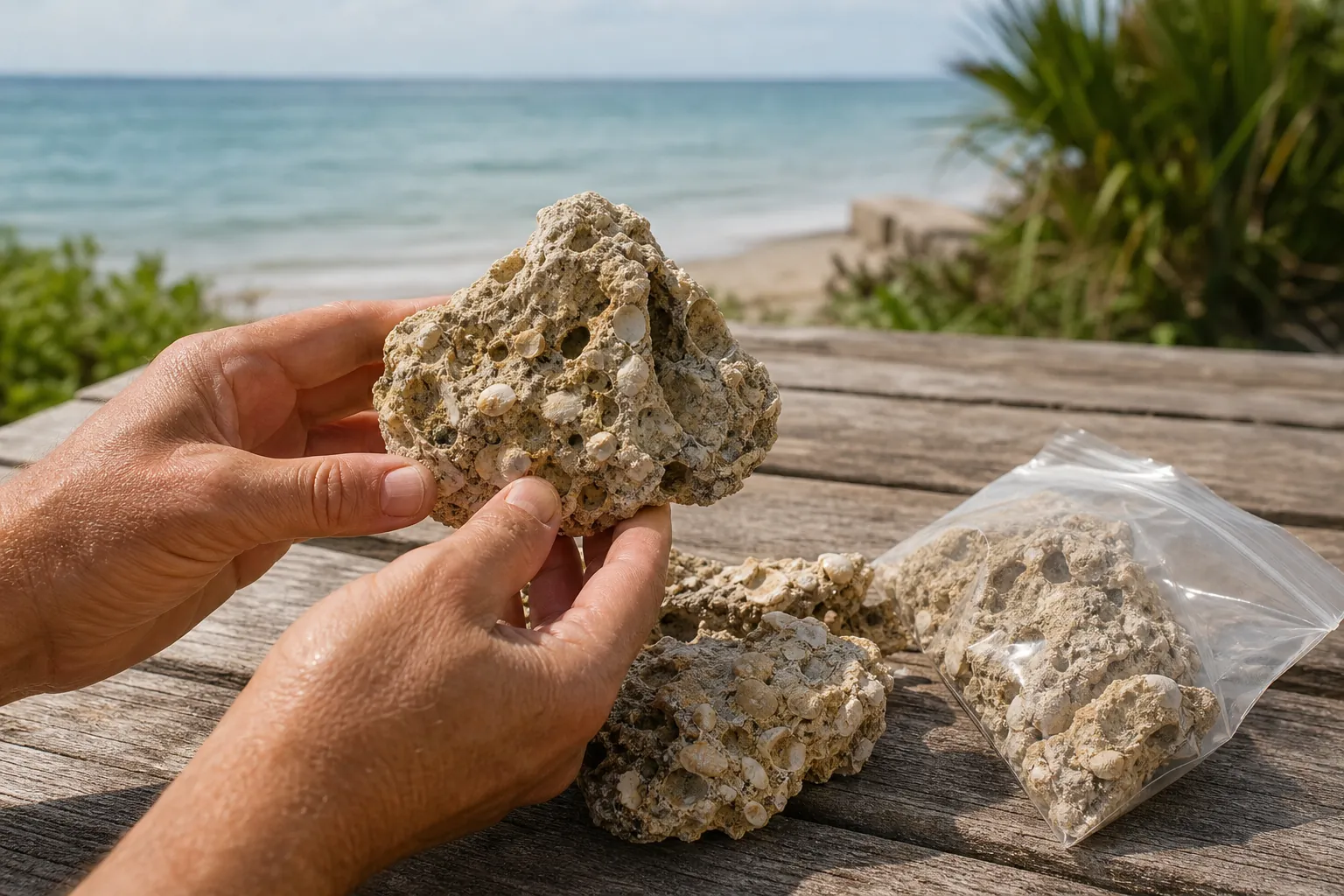
A photo can help you discover coquina shell, but it cannot tell you exactly how a particular load will look beside your driveway, feel underfoot, or respond to rain. Examining a coquina shell sample before buying gives you a practical way to compare the material with your intended use before committing to a larger order.
For Florida homeowners planning a DIY project, the goal is not to find a flawless handful of shell. It is to understand the material's range of color, particle sizes, texture, and behavior. Natural shell material can vary, and a small sample is most useful when you know what it represents.
Tropical Yards supplies coquina shell and tropical plants, with dump trailer delivery from St. Augustine to Daytona Beach. This guide focuses on evaluating material yourself. For broader buying information, visit the coquina shell page, then use the checks below to make your sample review more useful.
Start With The Purpose Of Your Coquina Shell
Before asking about a sample, write down where the shell will go and how you expect to use that space. A decorative bed, a garden path, and an area exposed to regular vehicle traffic raise different questions. Appearance matters, but so do comfort, movement, drainage, and the underlying ground.
A sample can help you screen a material for suitability. It cannot establish that an entire surface will perform well. Base preparation, installed depth, edging, slope, and use all affect results. For demanding applications, verify the necessary construction details rather than treating an attractive sample as proof of performance.
- For a decorative bed, compare the shell with nearby plants, paving, walls, and the edging you plan to use.
- For a walking route, consider footwear, the sharpness of fragments, and whether loose particles could migrate into adjacent areas.
- For a driveway or other loaded surface, ask about the supplied material and separately verify the base, drainage, and construction requirements.
- For an area beside lawn, consider how you will contain shell and prevent it from entering mower travel paths.
Bring those priorities into your supplier conversation. Saying that you want shell for a narrow side-yard path gives more useful context than asking whether the material is simply good for landscaping.
Ask What The Sample Actually Represents
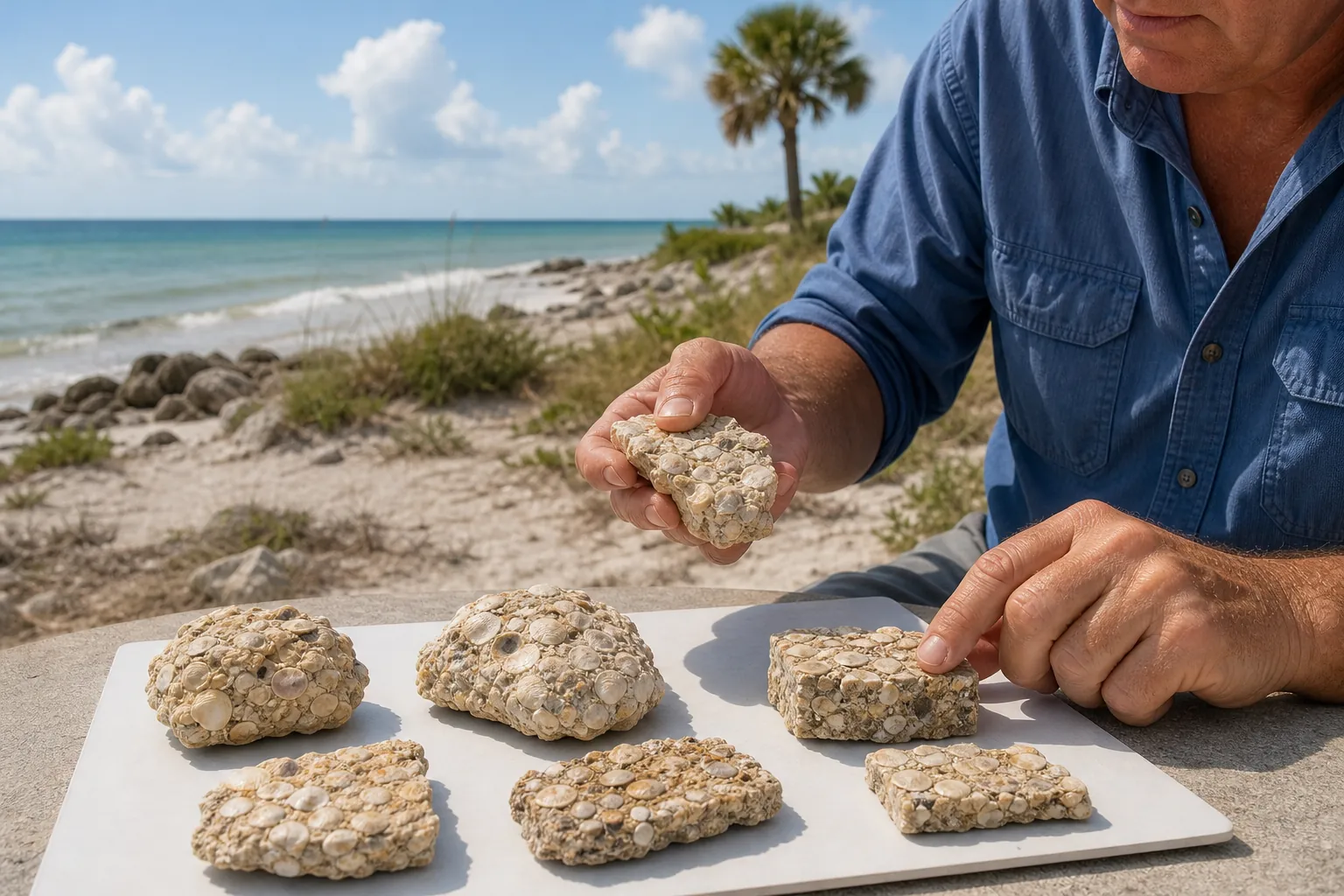
A sample is only useful if it relates to the material you may receive. Ask whether it comes from current stock, a recent load, or a display kept for general reference. None of these automatically makes a sample unsuitable, but each changes how confidently you can compare it with a future order.
Natural materials do not behave like factory-matched paint. Shell color, fragment shape, and the proportion of fine particles can differ. A display sample may show the general character of coquina shell without capturing the full range of a particular supply.
Ask Tropical Yards whether a sample or material viewing is available before making a special trip. Sample availability, collection arrangements, and the relationship to current stock should be confirmed directly rather than assumed.
- Ask whether the sample represents the coquina shell currently available for purchase.
- Ask whether the sample includes both larger fragments and finer material, rather than only selected attractive pieces.
- Ask what kinds of natural variation you should expect between the sample and a delivered load.
- Ask whether any processing or screening applies to the material being offered.
If you receive a sample, label the container with the date and any description the supplier provides. That simple record makes later comparisons easier, especially if you are considering more than one material or ordering after a delay.
Examine Color In Your Own Outdoor Light
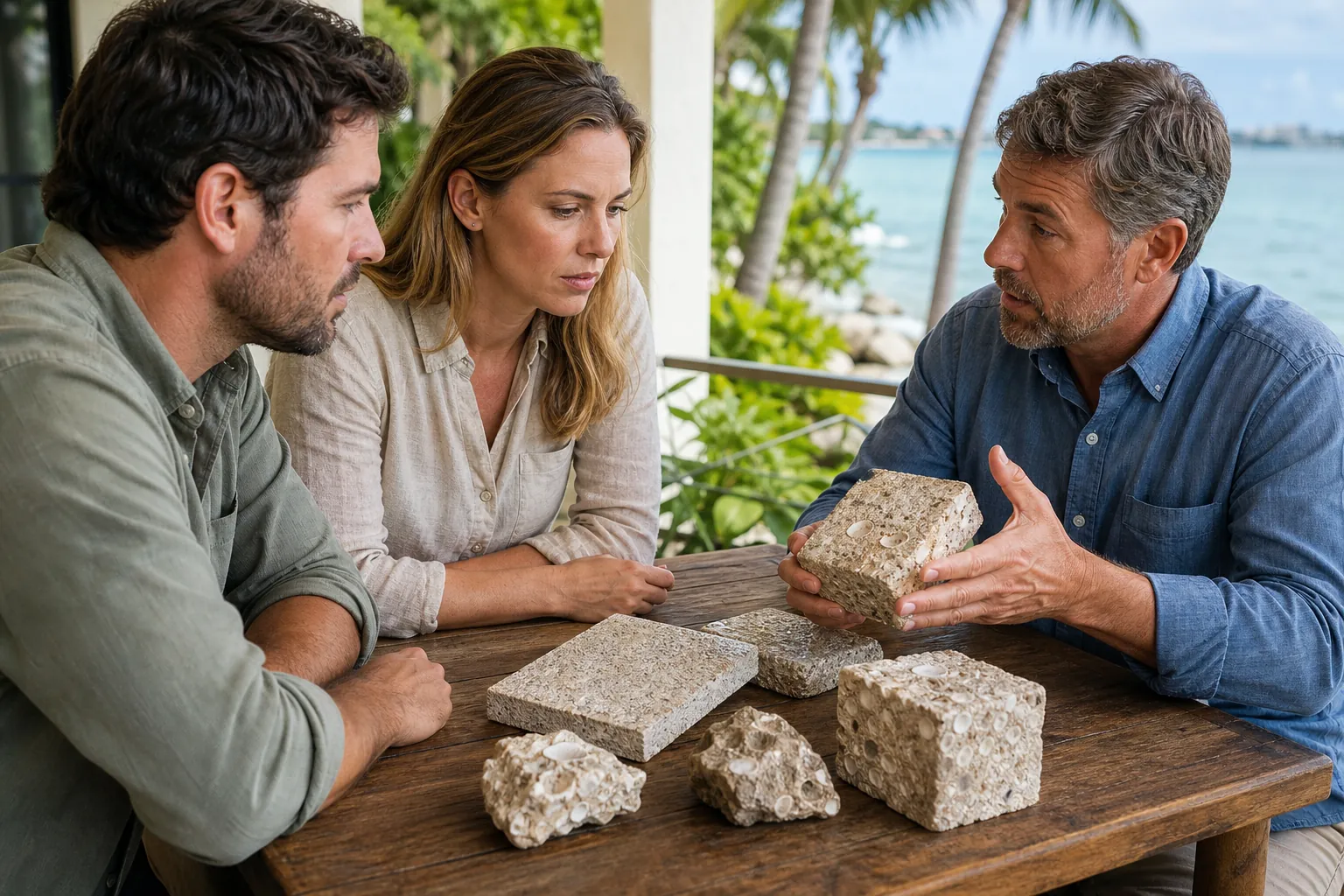
Look at the shell where you intend to use it, not only inside a shop or beside a computer screen. Florida sunlight can make pale materials look brighter than they appear indoors. Shade, nearby wall colors, and surrounding foliage also change your impression.
Spread the sample on a shallow tray or removable board. Place it near the proposed area without mixing it into the soil. View it in direct sun and shade, then step back far enough to judge it as part of the yard rather than as individual fragments.
Pay attention to the overall blend instead of searching for one ideal piece. Coquina shell may contain different tones and weathered surfaces. The visual effect of a larger area comes from that mixture, not from the most photogenic fragment.
- Compare the sample with existing concrete, brick, stone, or pavers to see whether the tones work together.
- Check the material beside plant foliage and flowers, particularly if it will surround hibiscus or bougainvillea.
- Look from the windows or seating areas where you will most often see the finished space.
- Photograph the sample for reference, but make the final color judgment in person because cameras can shift brightness and color.
If brightness concerns you, spend a few minutes viewing the tray during stronger daylight. A small sample cannot reproduce the reflected light of a broad surface, but it can reveal whether the general tone suits your preferences.
Compare Dry And Wet Material
A dry sample and a wet sample may look noticeably different. Wetting often changes the apparent depth of color and makes individual shell fragments easier to distinguish. Since outdoor material will experience rain, both views matter.
Divide the sample into two portions if there is enough material. Keep one dry and lightly wet the other with clean water. Compare them side by side, then allow the wet portion to dry naturally. Use a container that lets you manage runoff without washing fine particles into a drain.
Notice whether water carries visible fines away, whether fragments settle together, and how the appearance changes as the material dries. These are observations, not a complete drainage test. A tray cannot reproduce the soil, slope, base, or depth of a finished project.
Avoid drawing conclusions from one quick pour of water. If a tray has no drainage holes, water collecting in it says little about how shell will behave outdoors. Likewise, water disappearing through a thin sample does not prove that a deeper layer over compacted soil will drain adequately.
The useful question is whether the material's wet appearance and visible behavior are acceptable to you. Site drainage still needs its own assessment before you spread a bulk order.
Check Particle Size, Fines, And Surface Texture
Spread the sample thinly enough to see what it contains. Look for the range from larger shell fragments to smaller particles and fines. These fractions influence appearance, handling, and how the material settles, although the sample cannot predict every aspect of a finished surface.
Handle unfamiliar material with gloves. Shell fragments can have edges that feel sharp, and a visual inspection is safer than pressing bare hands or feet into a pile. For a walking area, consider who will use it and whether they will usually wear shoes.
Fine material is not automatically a defect. Its relevance depends on the product and your intended use. Ask the supplier what composition is typical for the shell being sold instead of assuming that a cleaner-looking sample is always better.
- Look for a representative mixture rather than judging the material by its largest or smallest piece.
- Notice whether fragments feel rounded, angular, or irregular when handled carefully with gloves.
- Consider whether loose particles could be tracked onto a porch or become uncomfortable on a frequently used route.
- Ask about unexpected debris or unfamiliar material before deciding whether it is normal for the supplied product.
Do not sift out everything you dislike and then use the remaining shell as your reference. That creates an idealized sample that may no longer resemble the delivered material. Keep an unaltered portion for an honest comparison.
Make A Small, Removable Test Patch
If sample quantity and supplier arrangements allow, a contained test patch can help you judge the shell at a more realistic scale. Use a shallow removable tray or a temporary contained area where the material will not escape into lawn, drains, or neighboring property.
The purpose is to evaluate visual fit and basic handling, not to certify a construction method. A tiny patch lacks the dimensions, base, and traffic exposure of a finished project. Be especially cautious about interpreting it as evidence of load-bearing capacity.
Place the patch near the actual location and observe it over several days if practical. Look at it after watering nearby plants or after rain, while keeping the surrounding area protected. Notice whether it remains visually appealing once the novelty wears off.
If you want to assess a walking surface, keep the test controlled and wear appropriate footwear. Do not invite barefoot testing, particularly by children. Shell that suits a decorative bed may not suit a play area or a route where people routinely walk without shoes.
Take notes about what you liked and what remains uncertain. Separate observations such as color preference from unanswered site questions such as runoff direction. That distinction prevents a successful appearance test from overshadowing a drainage or access problem.
Consider Soil And Plants Before Covering A Bed
Coquina shell contains calcium carbonate, so its relationship with soil chemistry deserves attention. Depending on site conditions and exposure, shell material can contribute to more alkaline conditions. Do not assume that every tropical plant will respond the same way.
If the shell will be used near established plants or a new planting area, identify those plants and check their soil requirements. A soil test is more informative than guessing from leaf color or from the appearance of the shell sample.
Tropical Yards sells palm trees, hibiscus, bougainvillea, ferns, and other tropical plants. These groups include plants with different needs, so match your selections to the site's sunlight, moisture, and soil conditions rather than treating a tropical look as a shared care requirement.
- Check the soil and moisture preferences of the specific plants you intend to grow beside the shell.
- Keep shell away from direct contact with trunks and plant crowns so those areas remain accessible for inspection.
- Plan how you will water plants without relying on the shell surface to indicate root-zone moisture.
- Leave practical access for future DIY planting, soil checks, and irrigation adjustments.
A sample will not tell you how soil chemistry may change over time. Use it to judge the material, and use plant-specific guidance and soil information to decide whether it belongs in that planting area.
Turn Your Sample Review Into An Order Plan
Once the sample meets your expectations, measure the project instead of ordering by appearance alone. Record the length and width of each area, note irregular sections separately, and decide on a suitable depth for the intended application.
Depth should follow the needs of the project, not a universal rule. Decorative coverage and a constructed traffic surface are different situations. Ask what units Tropical Yards uses for coquina shell sales and what measurements are needed to discuss an order.
Your sample notes should become a short purchasing checklist. Include the material you reviewed, the date, the area you measured, and any questions about variation. Confirm these details again when ordering, especially if time has passed since you examined the sample.
- Provide measured dimensions rather than describing the space only as small, medium, or large.
- Confirm the material description and whether current supply differs noticeably from the sample you reviewed.
- Ask how the order quantity relates to your intended area and depth, without assuming a sample container establishes bulk coverage.
- Identify where you will temporarily place the shell if you cannot spread it immediately.
For general product questions, return to the Tropical Yards coquina shell information. Keep your final conversation focused on the particular material, quantity, and delivery conditions for your project.
Plan Dump Trailer Access Before Delivery
A good sample decision can still lead to a difficult project if delivery access is overlooked. Tropical Yards offers dump trailer delivery of coquina shell and plants from St. Augustine to Daytona Beach. Confirm your address, access conditions, and unloading arrangements before placing an order.
Choose a potential drop location that accounts for overhead clearance, gates, parked vehicles, ground conditions, and the trailer's approach. Do not assume that a location accessible to a passenger car is suitable for delivery equipment.
Discuss the proposed unloading area with the supplier. Ask what access and clearance are required, and describe any slopes, soft ground, narrow turns, or overhead obstacles. Delivery suitability needs confirmation for the actual property.
Think through your own handling plan as well. The distance from the drop location to the project affects how much wheelbarrow movement and shoveling you will need to do. Have suitable tools and protective equipment ready, and keep material away from storm drains.
Tropical Yards is a supplier, not an installation or yard-service provider. Plan your own spreading and site preparation arrangements separately. Do not assume that dump trailer delivery includes moving shell around the property or completing the finished surface.
Know When You Have Enough Information To Buy
You are ready to order when the sample's appearance and texture suit your intended use, you understand the expected variation, and your site and delivery questions have answers. If a concern remains, name it specifically rather than hoping a larger load will resolve it.
A coquina shell sample before buying is a decision tool, not a promise that every fragment will match. Its value comes from careful observation and clear questions. Combining that review with measurements, plant considerations, and delivery planning makes the purchase more informed.
Call Tropical Yards at 772-267-1611 to ask about current coquina shell, whether a sample or viewing is available, and dump trailer delivery to your location between St. Augustine and Daytona Beach. Have your project dimensions and access notes ready for a focused conversation.
Call 772-267-1611 to talk through next steps.