Coquina Shell Drip Irrigation In St. Augustine, FL
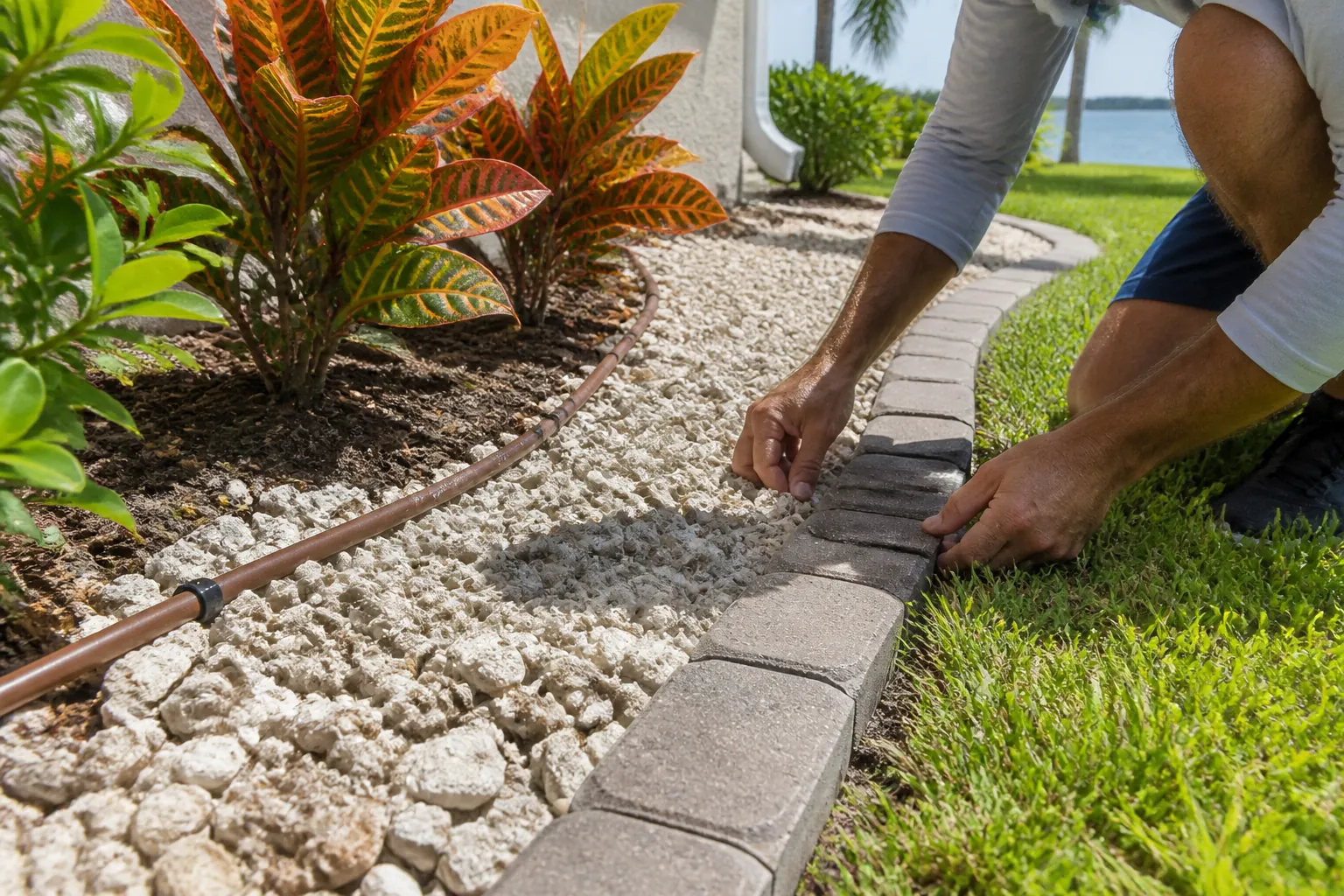
Coquina shell can give a tropical planting bed a coastal appearance while leaving room for targeted watering. The important question is not simply whether shell and drip irrigation can share a bed. It is whether the water reaches the roots, the plants suit the soil conditions, and the irrigation remains accessible after the shell goes down.
For homeowners considering coquina shell drip irrigation in St. Augustine, planning those details before ordering is easier than troubleshooting a covered system later. Shell is a surface material, not a substitute for suitable soil, drainage or an irrigation layout that matches the plants.
Tropical Yards supplies coquina shell and tropical plants, with dump trailer delivery from St. Augustine to Daytona Beach. This guide focuses on choosing materials, preparing your own project, checking drip performance and arranging delivery. Tropical Yards does not provide landscape design, installation or maintenance services.
How Coquina Shell Drip Irrigation Works In A Plant Bed
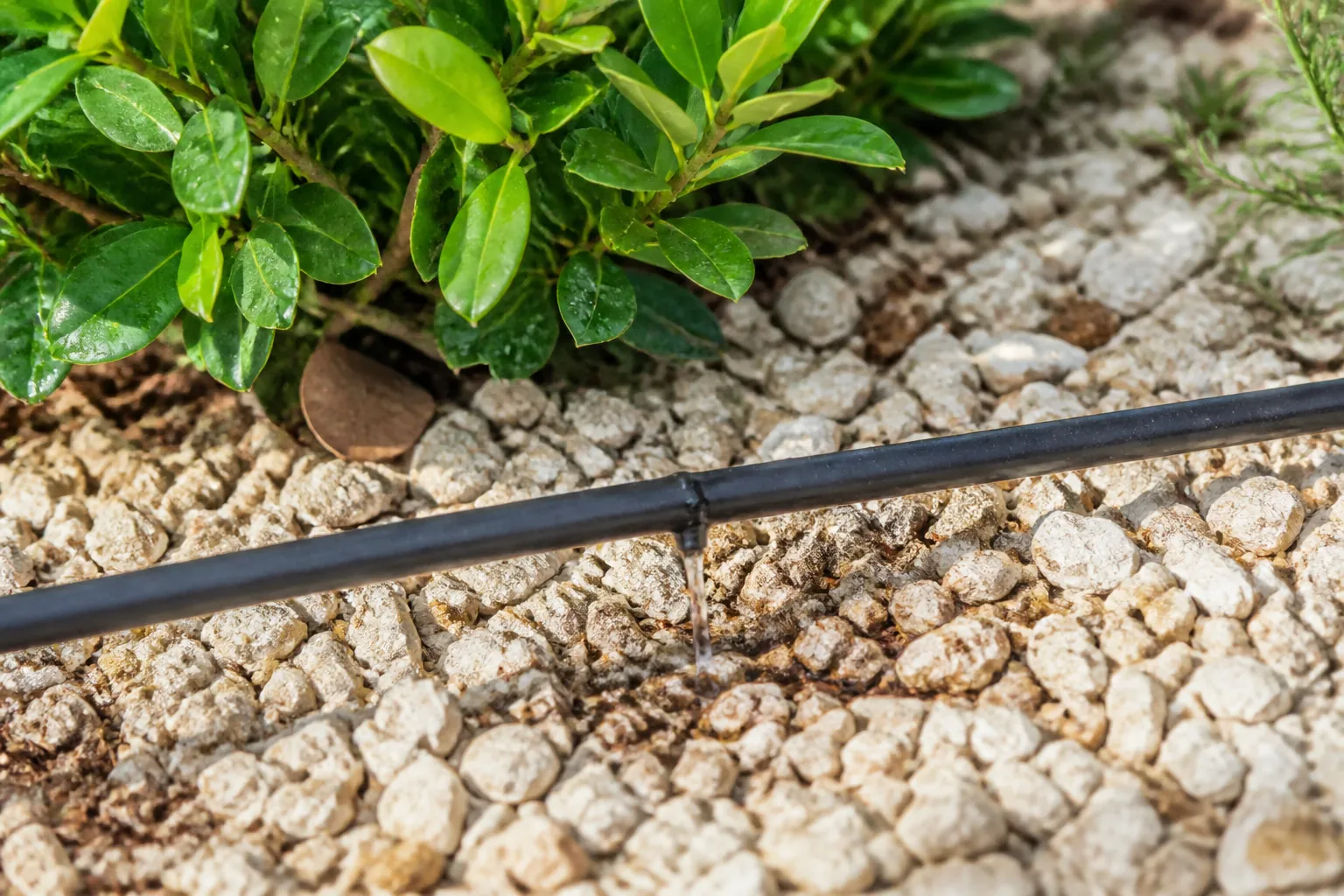
In a planted bed, drip tubing delivers water at selected points or along a line of regularly spaced emitters. Coquina shell covers the soil surface around those components. The two can work together when emitters sit where their water can enter the root zone without being diverted or obstructed.
The shell itself does not tell you whether a plant has received enough water. A dry-looking surface may cover moist soil, while wet shell near an emitter may hide a small wet patch that misses much of the root ball. Check below the surface rather than judging the bed by appearance.
Loose shell may allow water to pass between particles, but the actual result depends on particle size, fines, compaction and the underlying soil. Ask about the material you are buying rather than assuming every coquina product behaves identically.
Keep irrigation parts reachable. A fitting buried beneath a thick shell layer is harder to inspect, and tubing hidden completely can be damaged during later planting. Before covering anything, photograph the layout and note where valves, connections and line ends are located.
Check Plant Suitability Before Choosing Shell
Coquina contains calcium carbonate from shell material. Over time, shell contact can influence soil chemistry, especially where the soil is already alkaline or irrigation water contributes additional minerals. The effect varies with site conditions, so avoid treating shell as chemically neutral.
A soil test is a useful starting point when you are planning a new bed or dealing with unexplained yellowing. Follow the sampling instructions from your chosen laboratory or local Extension resource. Test the root-zone soil, rather than only loose shell collected from the surface.
Tropical plants do not all have the same requirements. Palm trees, hibiscus, bougainvillea and ferns differ in moisture needs, preferred exposure and tolerance of soil conditions. Even plants within the same broad group may need different treatment.
- Choose each plant for the bed's sunlight, drainage and expected mature size, rather than for appearance alone.
- Check the specific plant's soil preferences before surrounding it with a calcium-rich material.
- Group plants with similar watering needs so one drip schedule does not leave some too wet and others too dry.
- Leave room to inspect the root zone and adjust emitter placement as plants grow.
Ferns that prefer consistently moist conditions should not automatically share a watering schedule with established bougainvillea that benefits from drying between waterings. If their needs conflict, separate planting areas or independently controlled irrigation may be more practical.
Tropical Yards offers tropical plant sales, including palm trees, hibiscus, bougainvillea, ferns and other tropical plants. When buying, ask about the particular plant's growing requirements and compare them with the conditions in your own yard.
Prepare The Bed And Test The Drip System First
Start with the soil and drainage, not the decorative surface. Observe the bed after rain and note where water collects. Shell will not correct a low area, relieve compacted soil or fix a drainage problem beside a building.
Remove unwanted vegetation yourself before spreading material. Established weeds covered by shell may continue growing through it. Avoid adding shell over buried debris, exposed roots or existing problems that will become harder to address once covered.
If you are planting a new bed yourself, follow plant-specific guidance for hole width, planting depth and initial watering. Keep the top of the root ball at the appropriate level. Do not raise the surrounding shell against a trunk or crown to disguise a plant set too high or too low.
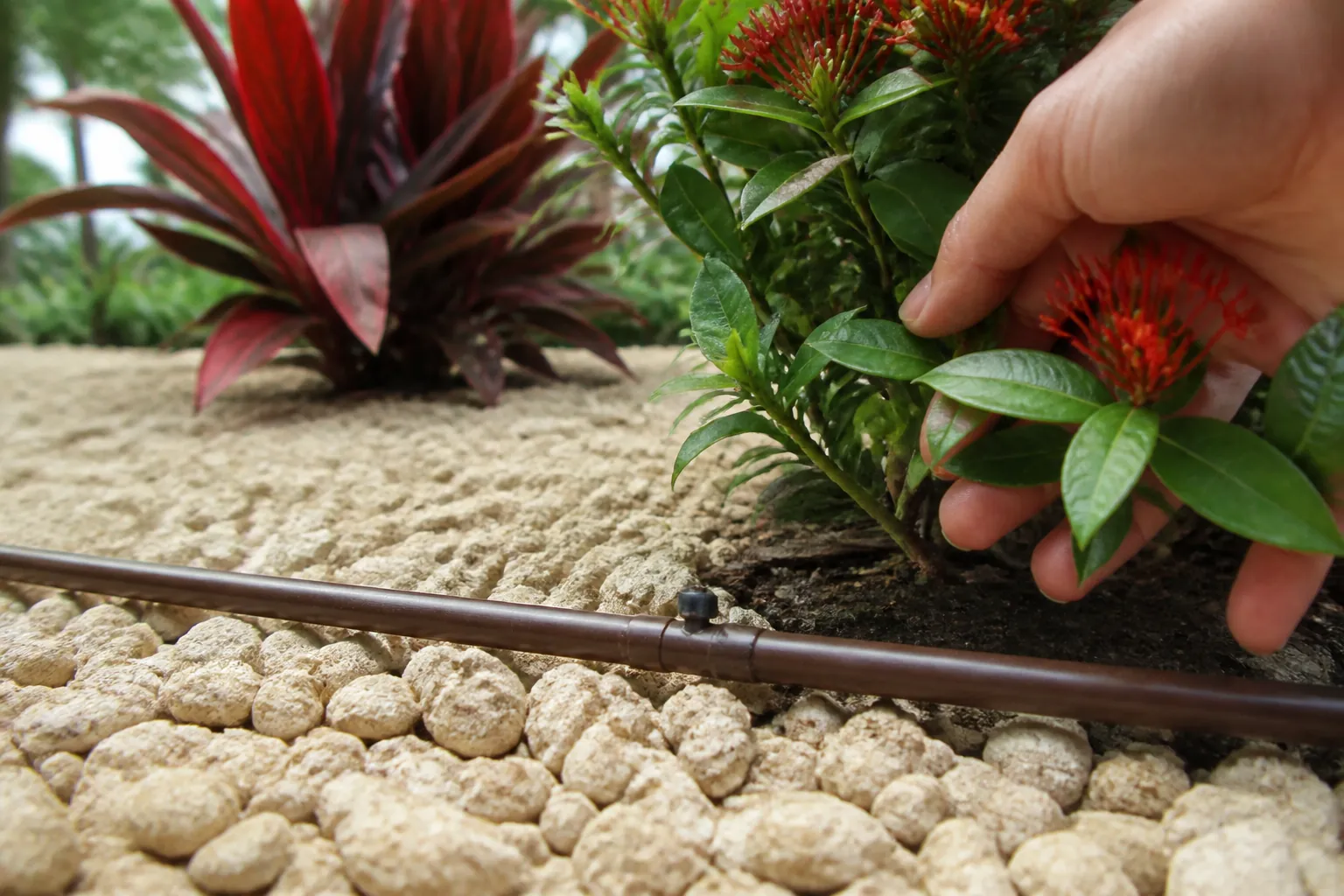
Lay out irrigation where it can serve the root balls. Newly planted container-grown plants may need water directed into their original root balls, rather than only into nearby soil. Their establishment needs can differ from those of older plants in the same bed.
Before adding shell, run the system and inspect every watering point. Confirm that the filter and pressure regulator meet the irrigation manufacturer's requirements. Check for loose connections, kinks, damaged tubing and uneven flow.
- Run the irrigation long enough to observe where water enters the soil and how far the wetting spreads.
- Check soil moisture at more than one location around each root ball.
- Adjust emitter placement if water is missing the planted area or collecting in one small spot.
- Flush line ends according to the manufacturer's directions before covering the bed.
- Take clear photographs of the working layout for future reference.
Use these checks to establish a starting schedule, then revisit it after adding shell. A surface covering can change drying conditions, so the original run time should not become a permanent setting without observation.
Decide Where Tubing, Emitters And Fabric Will Go
There is no single placement rule that fits every drip product. Some tubing is intended for surface use, while other products can be covered or buried under specified conditions. Follow the manufacturer's instructions for your actual system rather than assuming ordinary tubing can be treated as subsurface irrigation.
Where covering is permitted, a shallow, accessible shell layer can conceal tubing without making every inspection a digging project. Keep valves, filters, regulators and connection points visible or otherwise readily accessible.
Avoid pinning tubing tightly beneath edging or forcing it around sharp bends. Leave appropriate slack at connections. As you spread shell yourself, place it gently around the irrigation instead of dragging a loaded rake across exposed tubing.
Landscape fabric is optional, not an automatic requirement. It can separate materials, but it also complicates future planting, emitter adjustments and access to the soil. Weeds may still grow in debris that accumulates above it.
If you use fabric, consider how water will reach the roots. Emitters placed above some fabrics may produce unexpected spreading or runoff. Test the exact arrangement before finishing the bed, and keep openings around plants generous enough for growth and inspection.
Never assume that more fabric or more shell means better weed control. The useful question is whether the assembly still allows water into the soil and leaves you able to care for your plants yourself.
Choose A Practical Shell Depth And Plant Clearance
A deeper shell layer is not automatically better. Too much material can hide irrigation components, increase the effort needed to reach the soil and bury plant crowns. Too little may leave patchy coverage or expose the underlying surface.
Choose a finished depth based on the supplied material, the purpose of the bed and the height of nearby edging. Ask Tropical Yards about the coquina shell available before calculating your order. Particle size and the amount of finer material affect how a layer spreads and settles.
Keep shell away from direct contact with trunks, woody stems and sensitive crowns. Leave an open inspection area around each plant rather than piling material into a mound. That clearance helps you see changes in soil level and check whether irrigation is reaching the root ball.
Maintain access around sprinkler components, hose connections and other utilities. Near buildings, preserve required inspection clearances and avoid covering weep openings or drainage paths. If you are unsure about a structural clearance, seek guidance appropriate to that feature before adding material.
Once the shell is spread, run the drip system again. Move aside a small amount of shell at several points and check the soil beneath it. Look for actual moisture distribution, not simply droplets on the surface.
Measure The Bed And Order The Right Amount
Measure the area that will actually receive shell. Subtract patios, stepping stones, large plant openings and other uncovered spaces. For an irregular bed, divide the shape into smaller rectangles or triangles and add their areas together.
Calculate volume from area and planned depth. If your measurements use square feet and inches, multiply the square footage by the depth in inches, then divide by 324 to estimate cubic yards. This is a geometric estimate, not a promise of finished coverage.
For example, a 324-square-foot area covered to a depth of one inch represents one cubic yard before allowing for uneven ground or other project conditions. The example explains the calculation; it is not a recommended depth for every bed.
Share your measurements and intended use when asking about an order. Confirm how the shell is sold, what quantity options are available and whether your estimated volume fits the delivery arrangement. Do not convert volume to weight using a generic online figure, because material density and moisture can differ.
- Measure each section separately so narrow strips and curved edges are not overlooked.
- Account for the height of edging before selecting the finished depth.
- Ask about particle size and appearance so the delivered material matches your intended use.
- Confirm whether the quantity you request is expressed by volume, weight or another sales unit.
- Plan where any unused shell can be stored without blocking access or drainage.
For broader material-selection information, visit the coquina shell page. Keep this irrigation guide focused on root-zone watering and component access rather than using it as a substitute for product details.
Plan Dump Trailer Delivery Before Spreading Day
Dump trailer delivery requires a suitable access route and a safe unloading location. Tropical Yards delivers plants and coquina shell from St. Augustine to Daytona Beach. Confirm the details of your property and order before scheduling.
Choose a staging area that keeps the pile away from storm drains, public travel routes and drainage channels. Consider how you will move shell from the unloading point to the bed with your own tools. A location that looks convenient from the street may create a long wheelbarrow route.
Describe gates, slopes, narrow turns, low branches and overhead obstructions accurately. Do not assume the delivery vehicle can enter a side yard or unload directly beside the planting bed. Ask which access conditions must be met.
If you plan to protect a driveway with a tarp, discuss the unloading arrangement first. A tarp is not structural protection for a weak surface, and it must not interfere with safe delivery. Keep people, pets and parked vehicles clear of the unloading area.
For delivery-specific planning, review the coquina shell delivery page and confirm current arrangements by phone. Delivery supplies the material; moving it through your yard, spreading it and adjusting irrigation remain your DIY tasks.
Check Watering After Rain And As Plants Establish
St. Augustine beds can experience both heavy rainfall and periods when supplemental watering is needed. A calendar setting alone cannot account for those changes. Check root-zone moisture and follow applicable watering rules before deciding whether to run the system.
Inspect newly planted specimens more frequently during establishment. Their original root balls can dry differently from the surrounding soil. Shell may make the surface look uniform even when moisture conditions vary underneath.
Use a small hand tool carefully to check soil away from major roots and irrigation lines. Compare moisture near an emitter with moisture farther into the root zone. If one point is saturated while another remains dry, reconsider placement before simply increasing run time.
As plants grow, their effective root zones expand. Emitters may need repositioning or additional watering points, depending on the plant and irrigation system. Follow the system's capacity limits rather than adding emitters indefinitely to one line.
- Check for leaks when an area stays wet longer than neighboring soil.
- Inspect for blocked emitters when a plant declines despite a running system.
- Move loose shell aside carefully before opening fittings or checking line ends.
- Adjust watering after meaningful rainfall instead of watering automatically through wet conditions.
- Keep fallen leaves and accumulated debris from hiding irrigation connections.
Yellowing, wilting or leaf drop can have several causes, including drainage, nutrition and root problems. Do not diagnose every symptom as insufficient water. Review soil moisture and plant requirements before changing the irrigation schedule.
A Final Checklist Before You Buy
A successful DIY shell bed starts with compatible plants, a tested watering system and a realistic material plan. You should know where the water goes, how you will inspect it later and where the delivery can safely unload.
Before ordering, confirm the bed measurements, proposed depth, plant clearances and accessible drip layout. Resolve drainage concerns first. Make sure the shell you choose suits both the appearance you want and the conditions around your plants.
For coquina shell sales, tropical plant sales or dump trailer delivery questions, call Tropical Yards at 772-267-1611. Share your St. Augustine project measurements and access details so you can discuss the material and delivery options before starting your own work.
Before choosing ground cover, review UF/IFAS guidance on landscape mulch. UF/IFAS recommends organic mulch for planted garden beds and cautions that crushed shells do not improve soil water storage. Consider shell for suitable decorative areas rather than assuming it replaces organic mulch around every plant.
Use UF/IFAS microirrigation guidance when checking how water reaches the root zone.
Call 772-267-1611 to talk through next steps.