Choosing shell or mulch for paths in St. Augustine, FL
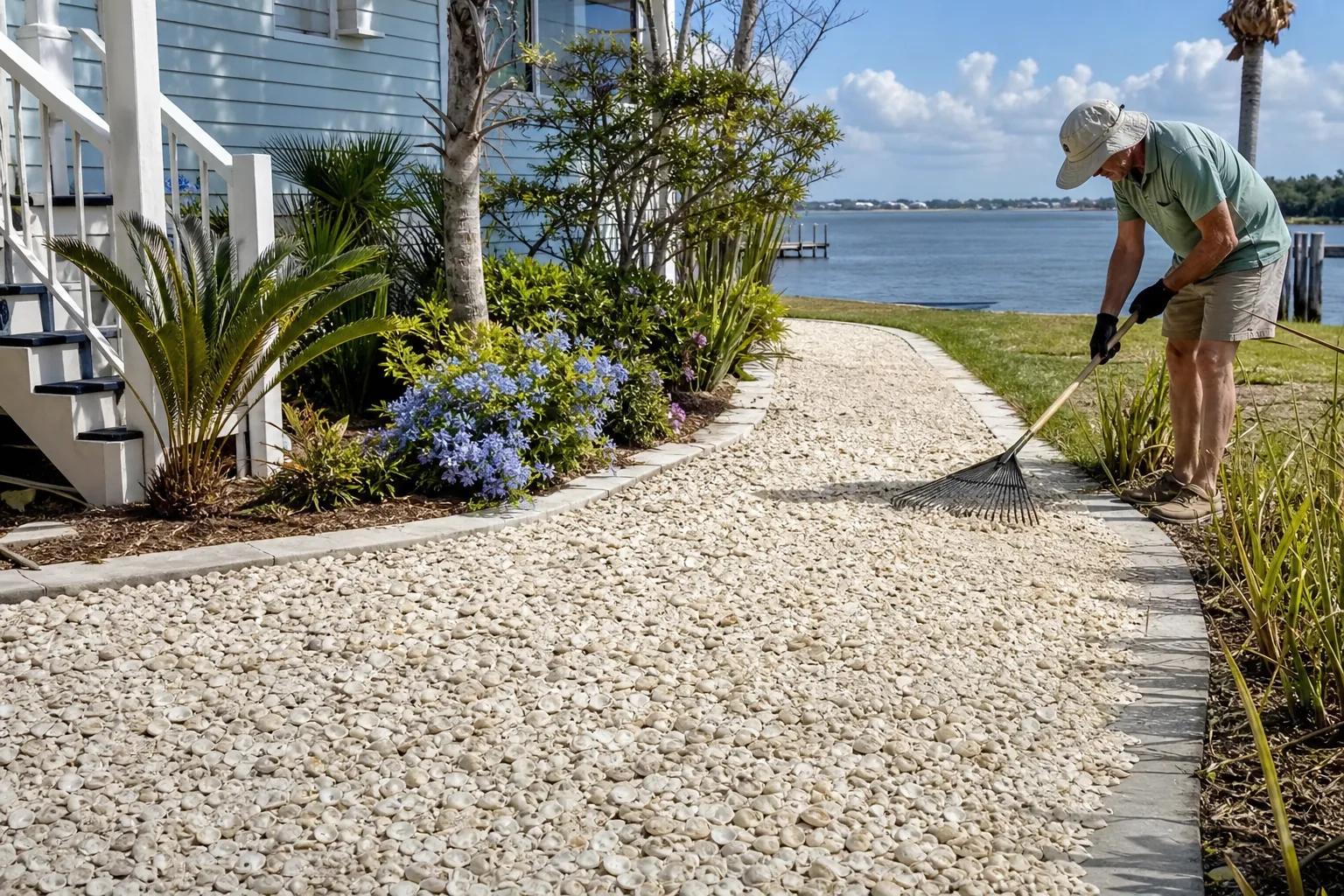
Choosing coquina shell vs mulch pathways starts with how you'll use the path; shell suits a firm, defined route when the base and drainage work well. Mulch suits a softer garden route where loose wood pieces fit the setting; both need sound edges, careful prep, and care over time.
For a St; augustine yard, start with foot traffic and water flow. Then think about bare feet, nearby plants, and future touch-ups; the best choice fits your site and the work you'll do yourself.
Tropical Yards sells coquina shell and tropical plants; it offers dump trailer delivery from St. Augustine to Daytona Beach. It does not design, install, or maintain paths; use this guide to plan your own project and ask clear questions before buying.
Planning Coquina Shell Vs Mulch Pathways
Coquina shell is often the better fit for a defined walking route; mulch can fit a light-use path beside garden beds. Neither choice fixes soft ground or poor drainage by itself; choose based on daily use, the feel underfoot, and the amount of upkeep you're willing to do. Review dump trailer delivery planning.
Picture the route on a normal day; is it a shortcut from the gate to the porch? Does it lead through plants for brief garden visits? will people carry bags, push a cart, or walk there barefoot?
A daily route needs more thought about footing and loose pieces; a garden trail can allow a softer, less crisp edge; that difference matters more than choosing a material from a photo.
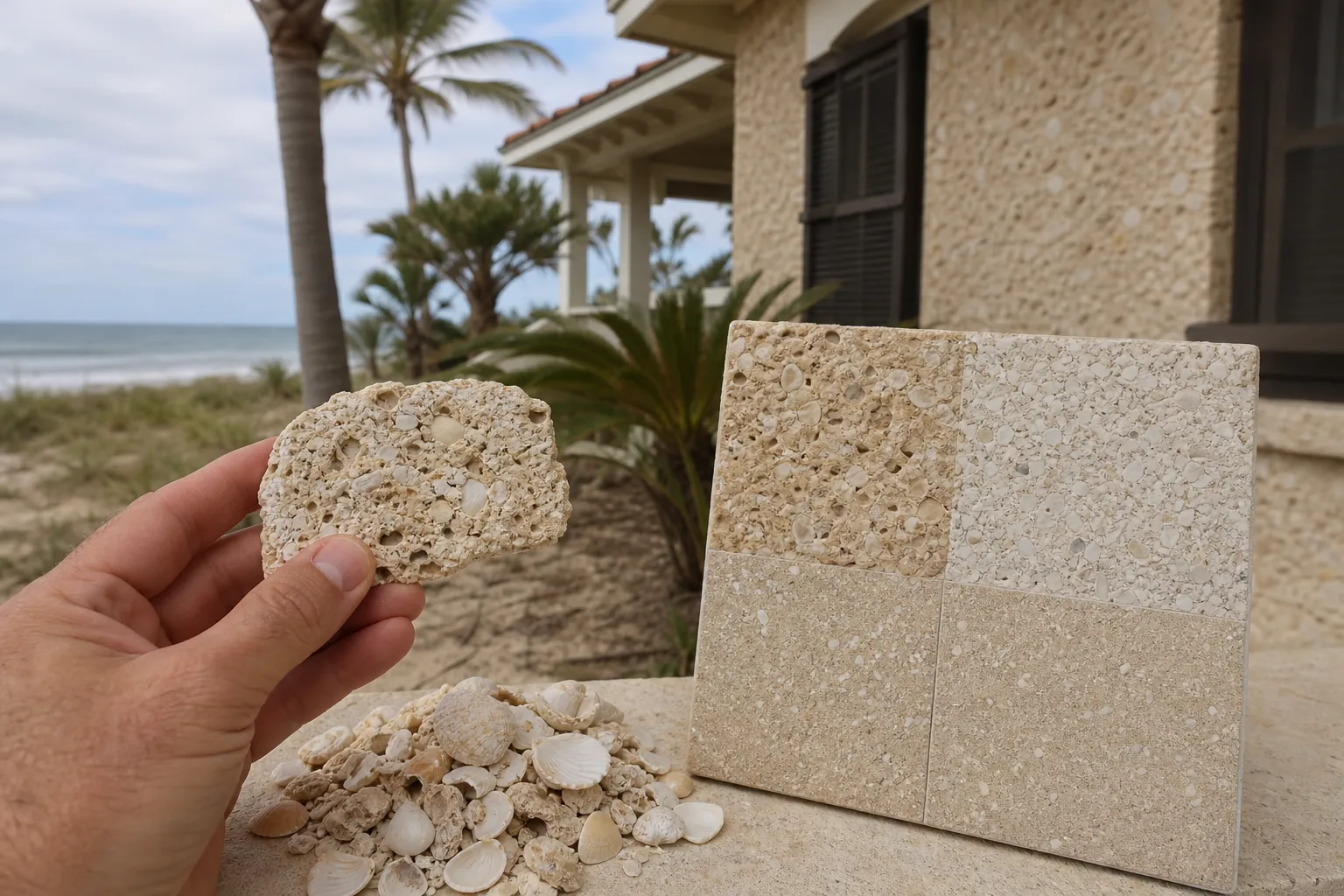
Coquina shell gives a path a pale, textured look; mulch brings a wood-based look that blends with many beds. Ask to see the shell being sold, since size and mix affect appearance; don't assume a small sample shows every piece in a bulk load.
Mulch types vary too; large wood chips feel different from fine shredded wood; compare the actual products you plan to use, rather than treating all shell or mulch as the same.
- Choose shell when a distinct path surface fits your yard and daily walking route.
- Consider mulch for a light-use garden path where loose wood pieces suit the setting.
- Check both materials against your footwear, nearby floors, and usual way of walking.
- Review water flow before buying either material for a low or soggy route.
You can also use different materials in different parts of the yard; a shell route can sit beside a mulched plant bed; keep the boundary clear so the materials don't mix during routine use.
There's no need to match every surface in the yard; focus on a route that feels useful and easy to follow; a simple plan usually makes ordering and future care easier.
How Do Shell And Mulch Feel Underfoot?
The feel underfoot depends on the material mix, layer depth, and ground below; shell can have rough edges, while mulch can shift beneath shoes. Neither should be chosen by color alone; check a sample, consider who uses the route, and plan for loose pieces near doors or paved areas. Review coquina shell choices and dump trailer delivery planning.
For a barefoot route, give texture close attention; shell pieces may feel sharp or rough on exposed skin. Wood mulch may contain splinters or uneven chunks; shoes are a sensible choice while spreading and testing either material.
A deep layer can feel less steady than you expect; more material isn't always the answer to a soft path; the base may need work before the top layer can function well.
Think about guests who use a cane, walker, or wheelchair; loose surfaces may be hard to cross, especially when wet or uneven; a small hand sample won't show how a full path performs under wheels.
If easy access is a main need, seek site-specific advice first; don't assume loose shell or mulch will meet that need; the whole route matters, including slopes, turns, edges, and links to hard surfaces.
Pets add another reason to inspect texture and stray pieces; watch how your pet uses the area, and keep loose material away from food bowls. Ask your vet for guidance if your pet tends to chew yard materials.
Near a door, think about what shoes might carry inside; either shell or mulch can move beyond the path; a firm landing and a clear edge can help separate loose material from the entry.
Test the finished route with normal footwear before calling the job done; walk it in both directions and check turns; if the surface shifts, review depth and base conditions instead of adding more material right away.
What Should You Check Before Preparing The Ground?
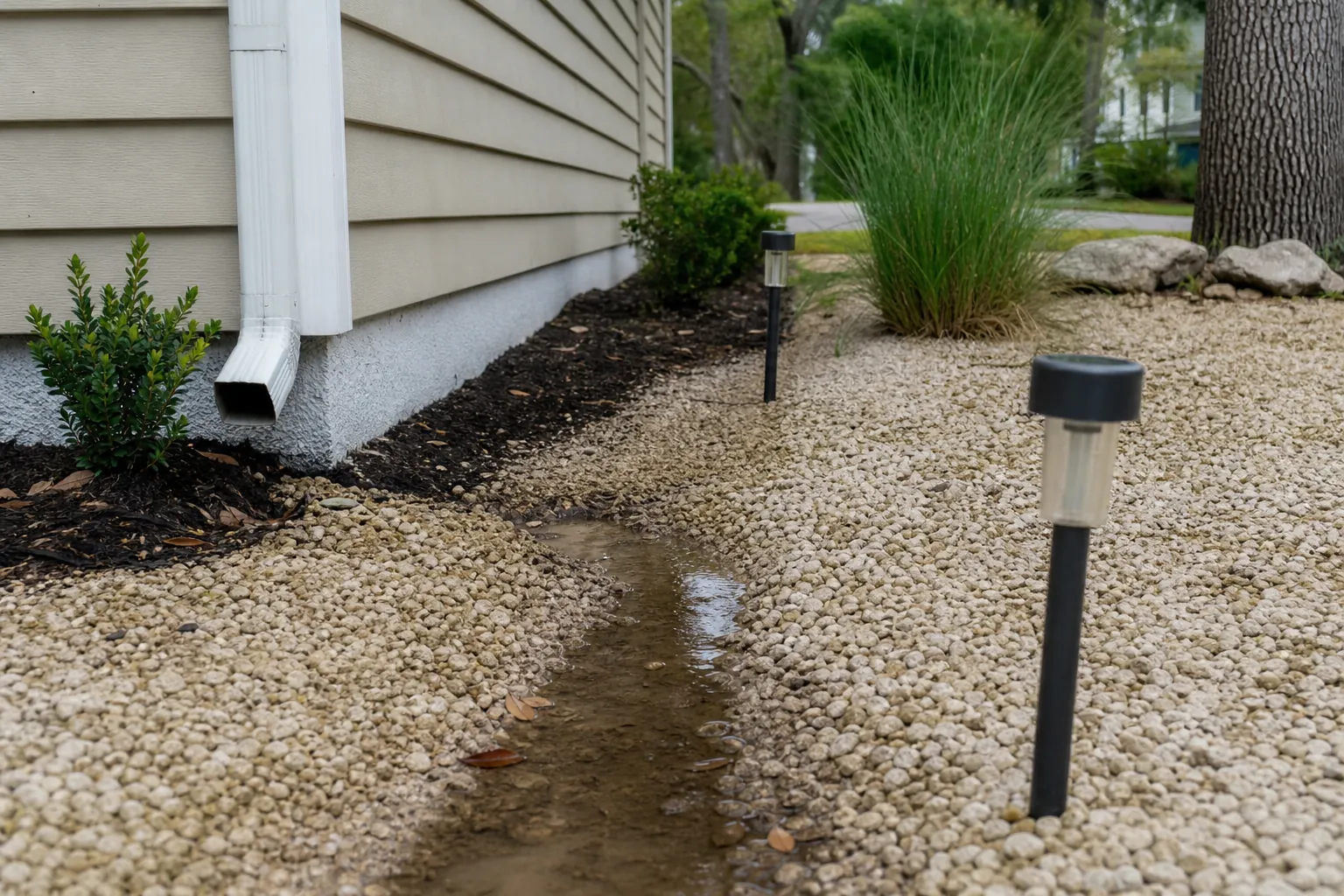
Start by watching where water goes and how firm the ground feels; remove plants and debris from the planned route yourself, or arrange separate help. Decide how the path will meet nearby surfaces; set the shape and edges before placing material, and avoid creating a channel that sends water toward buildings. Review coquina shell choices and dump trailer delivery planning.
Walk the yard after rain when you can do so safely; note puddles, soft spots, and soil washed across the route; a dry-day view may hide the problems that affect a path most.
Neither shell nor mulch should be treated as a drainage repair; a loose top layer cannot correct every low spot beneath it; if water collects near a building, get qualified advice before changing the grade.
Mark the route before digging or ordering; use a garden hose or temporary markers to check the shape; walk the marked line while carrying the items you normally move through the yard.
Leave room at turns and gates; a narrow curve may look neat but feel awkward in use; check that gates can open without scraping the proposed surface.
- Mark the path and test its width before removing soil or buying bulk material.
- Check for buried utilities through the proper local process before digging into the ground.
- Keep soil and loose path material clear of doors, drains, and building vents.
- Choose edging that fits the route without creating a trip point along its sides.
- Protect nearby plant roots instead of cutting them to force a preferred path shape.
Edging helps define the route, but it needs its own plan; think about how you'll mow, weed, or reach nearby plants; avoid an edge that solves material spread while making routine yard care harder.
A weed barrier is a separate choice, not an automatic requirement; it doesn't stop seeds from landing in material above it; consider roots, future changes, and removal before deciding to use one.
Tropical Yards supplies materials rather than site preparation or installation; ground work, edging, and spreading remain your responsibility; if you hire help, arrange that work separately from your supply order.
How Much Material Should You Order?
Measure the path area, then choose a depth suited to the material and site; multiply area by depth to estimate volume. Keep units consistent, and confirm the supplier's selling unit before ordering; ask about the current shell mix and load size so your estimate matches the product you'll receive. Review coquina shell choices and dump trailer delivery planning.
For a straight path, measure length and width in feet; multiply those figures to get square feet; for a curved path, divide it into smaller shapes and add their areas.
Use the actual width of each part; a wide entry or turning space can change the total; sketching the sections on paper makes it easier to spot missed areas.
To estimate cubic feet, multiply square feet by depth in feet; convert an inch-based depth to feet by dividing it by twelve; to convert cubic feet to cubic yards, divide by twenty-seven.
That math gives a volume estimate, not a finished-path specification; don't pick a depth solely to fit a convenient load; base conditions and intended use should guide that choice.
Ask how Tropical Yards measures and sells its coquina shell; confirm how the amount will be described on your order; don't assume a trailer load equals a fixed number of cubic yards.
Ask about piece size, fines, and the look of current stock; these details can affect handling and the surface you want; if matching an existing path matters, share photos and ask about likely differences.
Plan for storage if the delivery exceeds what you'll spread that day; keep the pile out of walkways and away from drains; decide how you'll protect the drop area before the trailer arrives.
Buying extra without a plan can leave a pile in the way; buying too little may leave the route unfinished; careful measurements and a clear conversation with the supplier help reduce both problems.
If you're comparing mulch from another source, use the same area measurements; confirm each product's unit and suggested use on its own terms; a matching volume doesn't mean the two paths will feel or perform alike.
How Should You Plan Dump Trailer Delivery?
Choose a safe, reachable drop area before booking dump trailer delivery; share access details, gates, slopes, and overhead limits with Tropical Yards. Keep people and pets clear during unloading; delivery brings the material to an agreed location; it does not include spreading shell, preparing the ground, or installing your path. Review coquina shell choices.
Start with the route from the street to the drop spot; note tight turns, parked cars, low branches, and narrow openings; photos can help explain access, but the supplier still needs to confirm what works.
A dump trailer needs space for safe positioning and unloading; don't choose a spot based only on where you'd like the pile; a closer location may be unsuitable because of soft ground or limited clearance.
Discuss the surface beneath the proposed drop; ask what access conditions are needed for the delivery setup; never assume a lawn, drive edge, or cover can bear a loaded vehicle.
- Send clear access details and ask Tropical Yards to confirm the proposed drop location.
- Move parked cars and other obstacles before the agreed delivery time arrives.
- Keep children, pets, and bystanders away from the trailer during unloading.
- Place your tools where you can reach them without entering the unloading area.
- Allow enough time to move the shell yourself after the delivery is complete.
Think about the distance from the pile to the path; a long haul adds work to a DIY job; check that your wheelbarrow route is firm, clear, and wide enough.
Use manageable loads and avoid rushing on sloped or wet ground; wear gloves and sturdy shoes while handling shell; eye protection is sensible when pieces or dust may fly during work.
Weather can affect your work plan and access conditions; discuss concerns if heavy rain is expected around delivery day; don't assume that a scheduled drop means wet ground is suitable for vehicle access.
Tropical Yards offers dump trailer delivery of plants and coquina shell; its delivery area runs from St. Augustine to Daytona Beach; confirm access, timing, and order details directly before making plans around the load.
What Care Will The Path Need Over Time?
Both shell and mulch paths need checks for weeds, scattered material, and uneven spots; wood mulch breaks down and may need fresh material over time. Shell can move, settle, or mix with soil; inspect the route after rain and regular use, then address the cause of each problem before adding more. Review coquina shell choices and dump trailer delivery planning.
Loose material often moves at turns and along the edges; look for thin spots where people change direction or enter the path; check nearby beds and paving for pieces that have escaped.
With mulch, watch for changes in depth and texture; as wood breaks down, the path may lose its original shape; decide when to refresh it based on actual conditions rather than a fixed calendar.
With shell, check for ruts, low spots, and exposed soil; a small dip may reflect movement in the base below; adding shell without finding the cause can leave the same issue in place.
Weeds can grow in either surface; remove small growth before roots spread through the path; follow label directions if you choose any weed-control product, and protect nearby plants.
Keep material from building up against plant stems or trunks; leave space to inspect and care for the plants; avoid burying roots or changing the soil level around established trees.
Tropical Yards also sells palms, hibiscus, bougainvillea, ferns, and other tropical plants; choose plants for the site's light, space, and care needs; a path border should leave room for mature growth and clear walking space.
If branches later crowd the route, plant care is your responsibility; Tropical Yards does not trim plants or maintain yards; plan plant spacing now to reduce conflicts between the path and nearby growth.
Review the path after a few weeks of normal use; look at where people actually walk, not where you expected them to walk; small layout changes may help more than another layer of material.
Frequently Asked Questions
Can coquina shell go directly over grass?
Covering live grass is a poor starting point for a defined path; grass and uneven ground can remain problems beneath the shell. Plan suitable site prep first, while protecting roots and checking utilities; Tropical Yards supplies shell but does not remove grass or prepare the route.
Is mulch easier to spread than coquina shell?
Handling depends on the product, load size, tools, and distance to the path; don't judge the whole job by one handful. Plan manageable wheelbarrow loads for either material, and allow rest breaks; ask about the shell being sold before deciding how much you can move in one day.
Will coquina shell stop all weeds?
No; seeds can land on the surface, and growth may reach through from below. Good preparation can help, but regular checks still matter. Remove weeds while they're small and inspect the edges; if growth keeps returning, review the base and nearby sources of seeds.
Can shell and mulch share the same yard?
Yes; you can use shell for a path and mulch in nearby beds. Keep a clear boundary so normal walking and garden work don't mix them. Choose plant spacing and edging with future care in mind; each surface should serve a clear purpose in your own yard plan.
Does Tropical Yards install the shell after delivery?
No; Tropical Yards sells coquina shell and tropical plants and offers dump trailer delivery. It does not install paths, design yards, or provide yard maintenance. You can spread the shell yourself or arrange separate help; confirm the drop location and access needs when discussing your order.
Ready to check shell availability for your St. Augustine path? Call Tropical Yards at 772-267-1611. Have your measurements and delivery access details ready so you can discuss a suitable supply order.
UF/IFAS guidance on landscape mulch does not recommend shells as mulch in planted garden beds. Shell does not add nutrients or improve soil water storage. Consider organic mulch around plants and assess shell separately for decorative surfaces or pathways. The UF/IFAS walkway guide discusses material selection and keeping loose surfaces contained.
Call 772-267-1611 to talk through next steps.