Choosing coquina shell for wet and dry color in Daytona Beach, FL
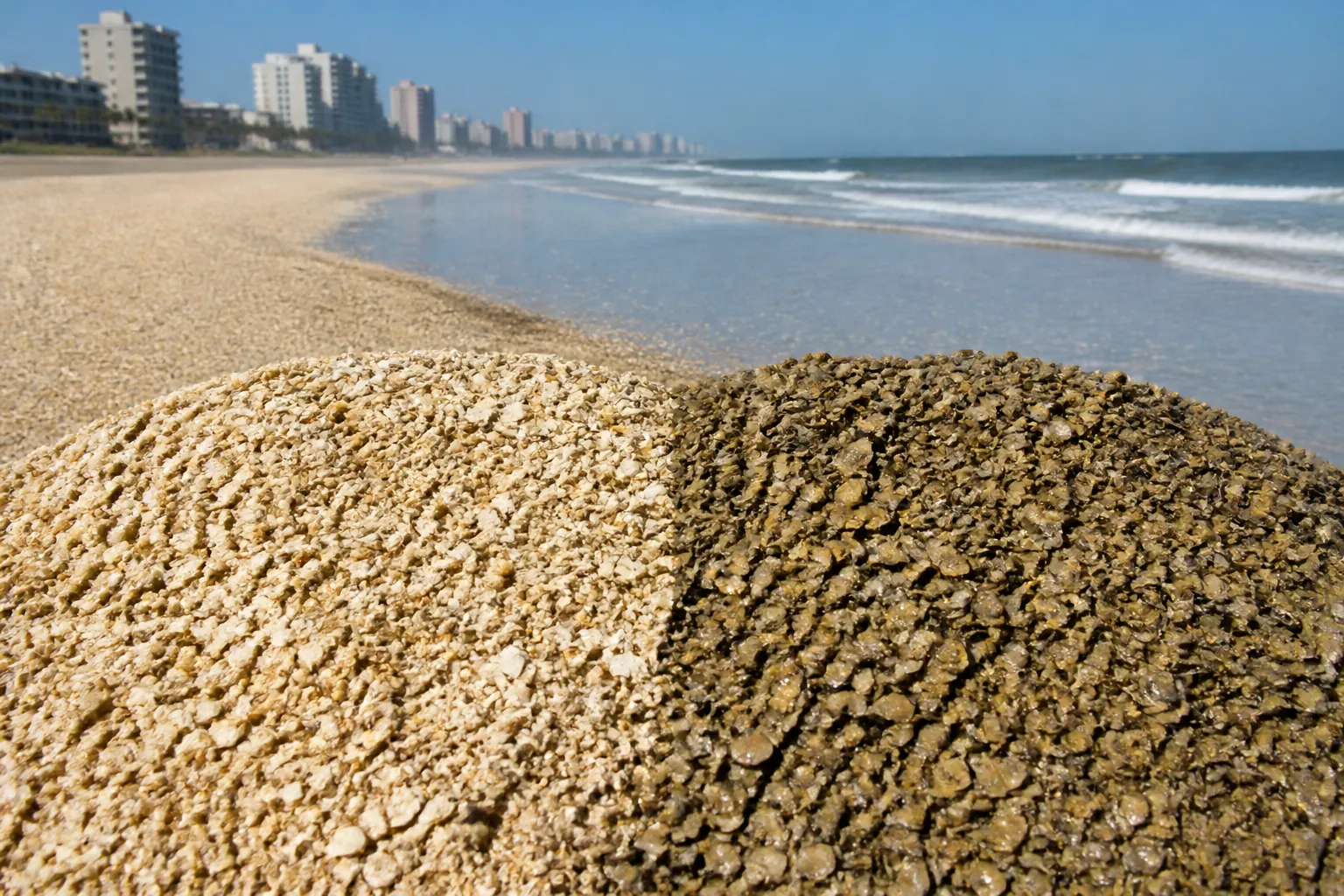
Coquina shell wet vs dry color affects a yard's overall appearance. Dry material often appears lighter, with softer tones and less contrast. Moisture may reveal deeper colors and stronger differences between individual pieces. Compare both conditions before buying, since natural variation limits what photographs can show.
For Daytona Beach buyers, changing weather makes this comparison worth considering. A shell bed may appear pale during sunshine and richer after rainfall. Neither condition provides a complete picture of the material's appearance. Choose colors that suit your space under both conditions.
Tropical Yards sells coquina shell and tropical plants. Dump trailer delivery is available from St. Augustine to Daytona Beach. This guide helps you judge shell color and plan your order. You handle the site work and placement yourself.
Why does coquina shell wet vs dry color differ?
Coquina shell changes appearance because moisture affects light at its surface. Dry surfaces scatter light, creating a pale or chalky appearance. Water can deepen the appearance of colors already present in the material. This effect is usually temporary, although dirt, stains, and mixed materials influence the comparison. Compare coquina shell delivery planning when planning this step.
Think of a stone at the edge of water. Its wet face may look darker than its dry face. Shell can show a similar shift. That doesn't mean rain has added a new color.
Surface texture contributes to the difference between wet and dry material. Irregular edges and small depressions catch light in different ways. Moisture may make these surface details appear more distinct. A mixed sample develops stronger contrast when individual pieces darken by different amounts.
Dry shell may look cream, pale tan, or softly warm. Wet shell may bring out warmer tones already present. Your load may look different from a photo or older sample. Ask about the material currently available before making a color choice.
Don't treat all dark patches as normal wet color. Soil, leaf matter, or another stain may affect a small area. Let the sample dry before judging the cause. A patch that stays dark needs a closer look.
A useful comparison examines the same material under both moisture conditions. Photographs of separate loads can't establish how either load changes when wet. A side-by-side sample test provides a more reliable basis for your decision. It helps distinguish temporary moisture effects from natural color variation.
How can you compare wet and dry shell before buying?
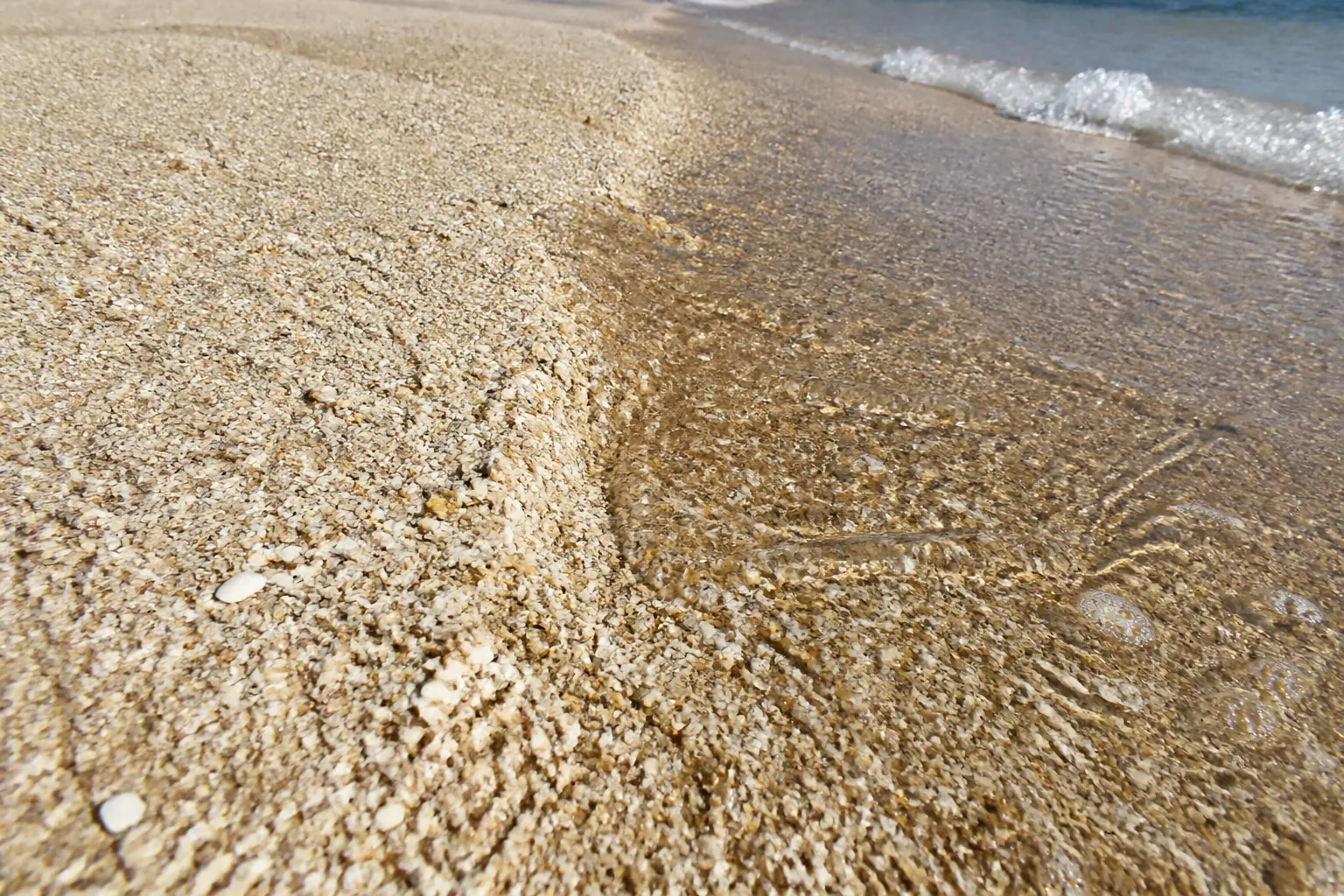
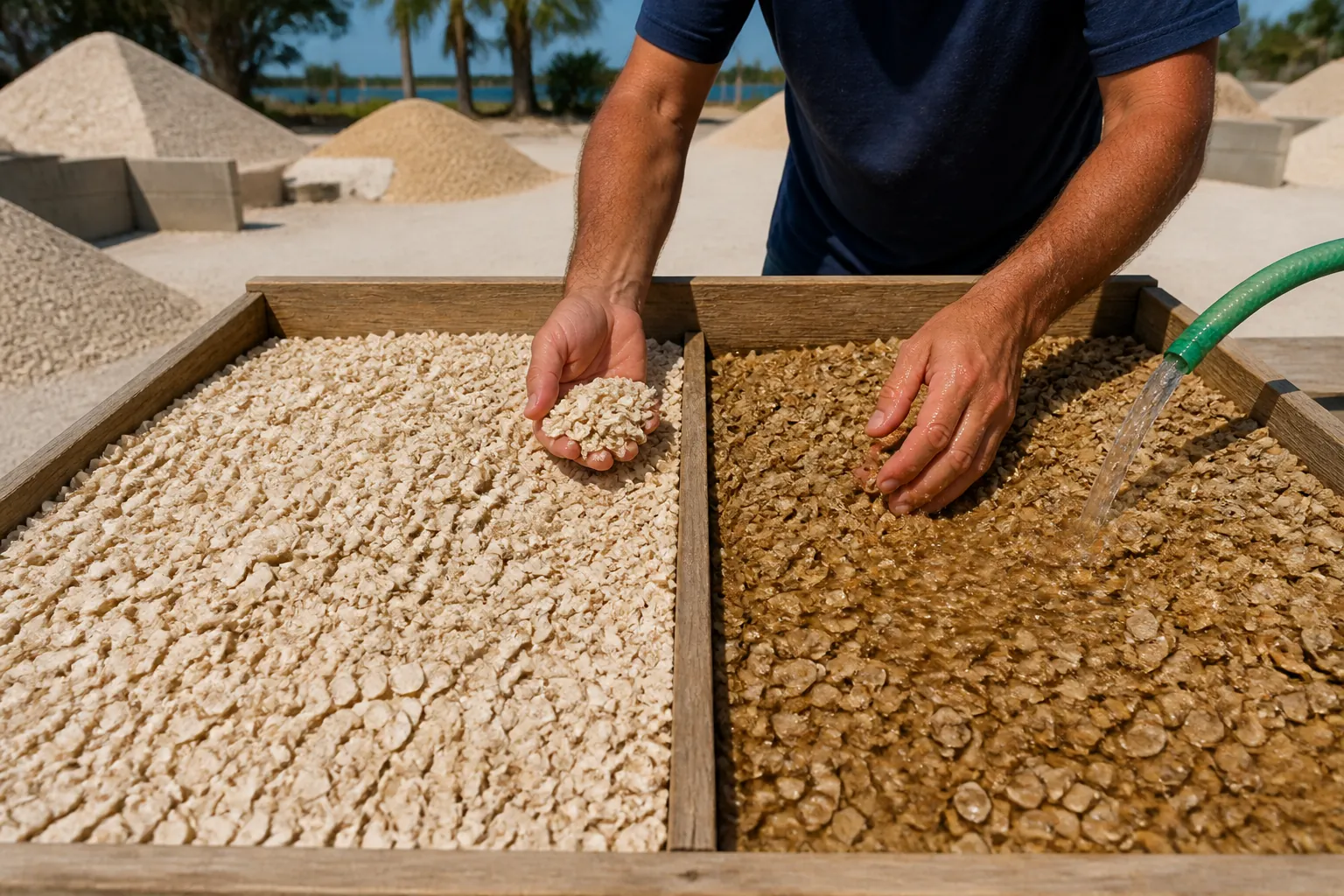
Compare wet and dry shell using portions from the same sample. Keep one portion dry and lightly wet the other with clean water. Place both beside your planned border or paving. Check them in sun and shade, then review the wet portion again after it has dried. Compare coquina shell material options and coquina shell delivery planning when planning this step.
Start with a clean tray or another plain surface. Avoid a bright cloth that could cast color onto the shell. Spread enough pieces to see a mix of sizes and shades. One attractive piece won't show the full range.
If a sample is available, confirm which material it represents. Ask whether its appearance reflects the shell currently available for purchase. An older sample can still provide useful information about surface texture. However, it may provide a weaker basis for judging the current material's color.
- Use shell from the same sample for both sides of your color test.
- Keep one portion fully dry while you wet the other with clean water.
- Compare both portions beside the fixed surfaces that will border your shell.
- Check the sample in open shade and direct sun at different times.
- Let the wet shell dry fully before deciding which changes are temporary.
Use enough water to dampen the shell without covering it. Standing water adds glare and hides the surface. You want to see damp shell, not its reflection. Let excess water drain before you compare the two portions.
Photograph both portions from a consistent angle and distance. Disable filters that increase color warmth or make individual shades more vivid. Include the dry sample in each photograph when possible. This provides a reference for comparing the material under different moisture conditions.
Write down what you like in each state. You might prefer the dry look beside white walls. You may like the wet tones near a dark border. Those notes help you judge the whole effect rather than one moment.
Which light and yard features affect shell color?
Lighting, surrounding colors, and viewing distance all influence the shell's appearance. Strong sunlight can obscure pale details, while shade may reveal greater contrast. Nearby walls, pavers, and mulch affect the overall impression as well. Evaluate a sample in its intended location, rather than relying on indoor lighting alone. Compare coquina shell material options and coquina shell delivery planning when planning this step.
Daytona Beach yards can have sharp shifts between sun and shade. A bed near a fence may stay shaded longer. An open strip may receive bright light for much of the day. The same shell can look different in each spot.
Place your sample beside features that won't change. These may include a patio, driveway edge, wall, or path. Look for a color pairing that works wet and dry. A close match in one state may separate in the other.
Contrast can be useful when you want a clear border. Pale shell may stand out beside dark paving. Warm shell tones may blend with tan stone. Neither choice is best for every yard or home.
View the sample from where you'll see it most. That might be a porch, window, or garden gate. Fine color differences can fade at that distance. The broad balance of light and dark often matters more.
Existing plants affect the picture as well. Deep green leaves can make pale shell seem brighter. Flowers can draw the eye away from small shade changes. Test the shell near the plants you plan to keep.
Photographs help record these comparisons, although their accuracy has limits. Camera settings and phone screens can alter the appearance of individual colors. Damp surfaces may reflect blue sky or surrounding foliage. Treat photographs as reference notes, then evaluate an actual sample in your space.
What should you ask about color before ordering coquina shell?
Before ordering, ask about the available shell's color range and moisture condition. Confirm whether samples and photographs represent the material currently being sold. Discuss ordering units and coquina shell delivery planning details during the same conversation. These questions support realistic expectations, since natural shell doesn't provide a completely uniform finish. Compare coquina shell material options when planning this step.
Start by explaining that color matters to your project. Say if you're matching an old bed or covering a new area. These are different buying needs. A fresh load may not match shell that has weathered outdoors.
Ask how the material looks when dry. A recently wet pile may appear darker than it will later. Also ask about the range within the load. You need to judge the overall mix, rather than its lightest pieces.
- Ask if current photos show wet shell, dry shell, or mixed moisture levels.
- Ask whether a sample reflects the material available for your planned order.
- Confirm the unit used for ordering before comparing amounts or planning coverage.
- Describe any older shell you hope to match and explain the visible difference.
- Confirm delivery access needs before choosing the final drop location on your property.
Measure the project area before discussing how much material to order. Record each section's length and width, along with the intended depth. Divide irregular shapes into smaller sections that are easier to measure. Share these measurements when discussing the quantity needed for your project.
Material color and order quantity require separate decisions. A preference for lighter shell doesn't establish how much material you'll need. Coverage depends on the project area, intended depth, and planned use. Confirm these details before using a photograph to guide your purchase.
Tropical Yards supplies coquina shell for buyer-led projects. It doesn't provide design, installation, or yard work. Bring questions about the product and delivery when you call. Keep your own site plan and labor needs separate.
How can you plan delivery without misjudging the color?
Plan coquina shell delivery planning around safe access, a clear drop area, and inspection time. Recently delivered shell may retain moisture beneath the exposed surface. The upper material can dry while the center remains damp. Compare several portions under similar conditions before concluding that the load has a permanent color difference. Compare coquina shell material options when planning this step.
A dump trailer needs suitable room to reach the drop area. Talk through access with Tropical Yards before the delivery date. Mention gates, tight turns, slopes, and overhead branches or wires. Don't assume a narrow space will work.
Choose a location that avoids extra handling where possible. Keep the drop clear of drains, doors, and shared access. Protect surfaces as needed for your own site conditions. Confirm any surface protection approach before the trailer arrives.
Make sure someone knows where the shell should go. A clear drop location reduces confusion at arrival. It doesn't include spreading the material across your yard. Plan your tools and help for that work yourself.
- Measure gates and access points, then discuss those limits before scheduling the delivery.
- Identify overhead wires, low branches, slopes, and soft ground near the proposed route.
- Keep children, pets, and parked vehicles away from the delivery and drop area.
- Leave drains, walkways, and needed entry points clear when choosing the drop location.
- Allow time to compare dry portions before judging the load's lasting color.
After delivery, compare accessible material from several portions of the pile. Maintain safe access, and never climb onto loose material to collect samples. Shaded portions may retain moisture longer than the exposed surface. Allow similar drying time before evaluating differences between your samples.
If something looks unlike the agreed product, record it clearly. Take wide views and close views in plain daylight. Note if the shell is wet or dry. Contact Tropical Yards with your question before spreading the full load.
How can DIY buyers keep the finished color balanced?
Evaluate a small test area before spreading shell across the entire project. Compare its wet and dry appearance beside the surrounding surfaces. Blend material from different portions of the pile during placement. This can reduce distinct patches caused by grouping pieces with similar colors in one location. Compare coquina shell material options and coquina shell delivery planning when planning this step.
Start with the project's use, not color alone. A decorative bed and a walking route have different needs. Loose shell can shift, and pieces may have sharp edges. Check that the surface suits everyone who will use it.
Wear gloves, sturdy shoes, and eye protection when handling shell. Use tools that suit the load and your strength. Avoid lifting more than you can manage safely. Plan breaks, water, and help for your DIY work.
Maintain the intended finish level as you spread the material. Uneven coverage can expose the underlying surface in scattered locations. From a distance, these gaps may resemble differences in shell color. Inspect the coverage before concluding that natural variation caused the patchy appearance.
Don't add extra shell solely to make damp spots lighter. The cause could be shade, pooled water, or slow drying. Check the area after a dry spell. Fixing a site issue is different from changing the material's shade.
Keep shell away from plant stems and trunks. Avoid burying the base of a plant under added material. Follow care guidance for each plant in the bed. Shell color shouldn't take priority over sound plant care.
Tropical Yards sells palm trees, flowering plants, privacy plants, and other tropical plants. Choose plants for the site's light, space, and watering needs. Then judge how the shell looks beside them. Plant sales and dump trailer delivery don't include planting work.
Frequently asked questions about coquina shell color
Most color questions involve moisture, natural variation, and differences in viewing conditions. Compare the same material under similar lighting before drawing conclusions. A controlled wet-and-dry comparison provides more useful information than unrelated photographs. For current product details, ask Tropical Yards about the material available for your planned order.
Will wet coquina shell stay darker after it dries?
The darker wet look usually fades as the shell dries. Compare it with a fully dry portion from the same sample. If a dark mark remains, check for soil or other residue. Moisture alone may not explain a lasting patch.
Can I choose shell using an online photo?
A photograph can help narrow your options, although its accuracy has limits. Lighting, screen settings, and moisture affect the appearance of the material. Ask which product the image represents and when the photograph was taken. When available, examine a current sample for a more useful comparison.
Will new shell match an older shell bed?
New shell may differ in appearance from material already in your yard. Older material may contain accumulated dust, soil, or weathered pieces. Compare both materials when completely dry, then repeat the comparison when wet. If matching matters, evaluate a small amount before filling the entire area.
Does darker wet shell mean the material is poor quality?
A darker wet appearance alone doesn't show poor quality. Water changes how the surface reflects light, which can deepen visible tones. Judge the actual material and your intended use separately. Raise questions about unexpected contents or lasting discoloration before spreading the load.
Does Tropical Yards spread shell after delivery?
No. Tropical Yards sells coquina shell and tropical plants, with dump trailer delivery. You arrange the site work, spreading, and planting yourself. Discuss access and the drop location before ordering. Delivery is available from St. Augustine to Daytona Beach.
Ready to compare your options? Call Tropical Yards at 772-267-1611 to discuss coquina shell sales and dump trailer delivery. Ask about current material and share your delivery access details before placing an order.
Sources And Further Reading
Call 772-267-1611 to talk through next steps.