Choosing cordyline plants for Northeast Florida gardens
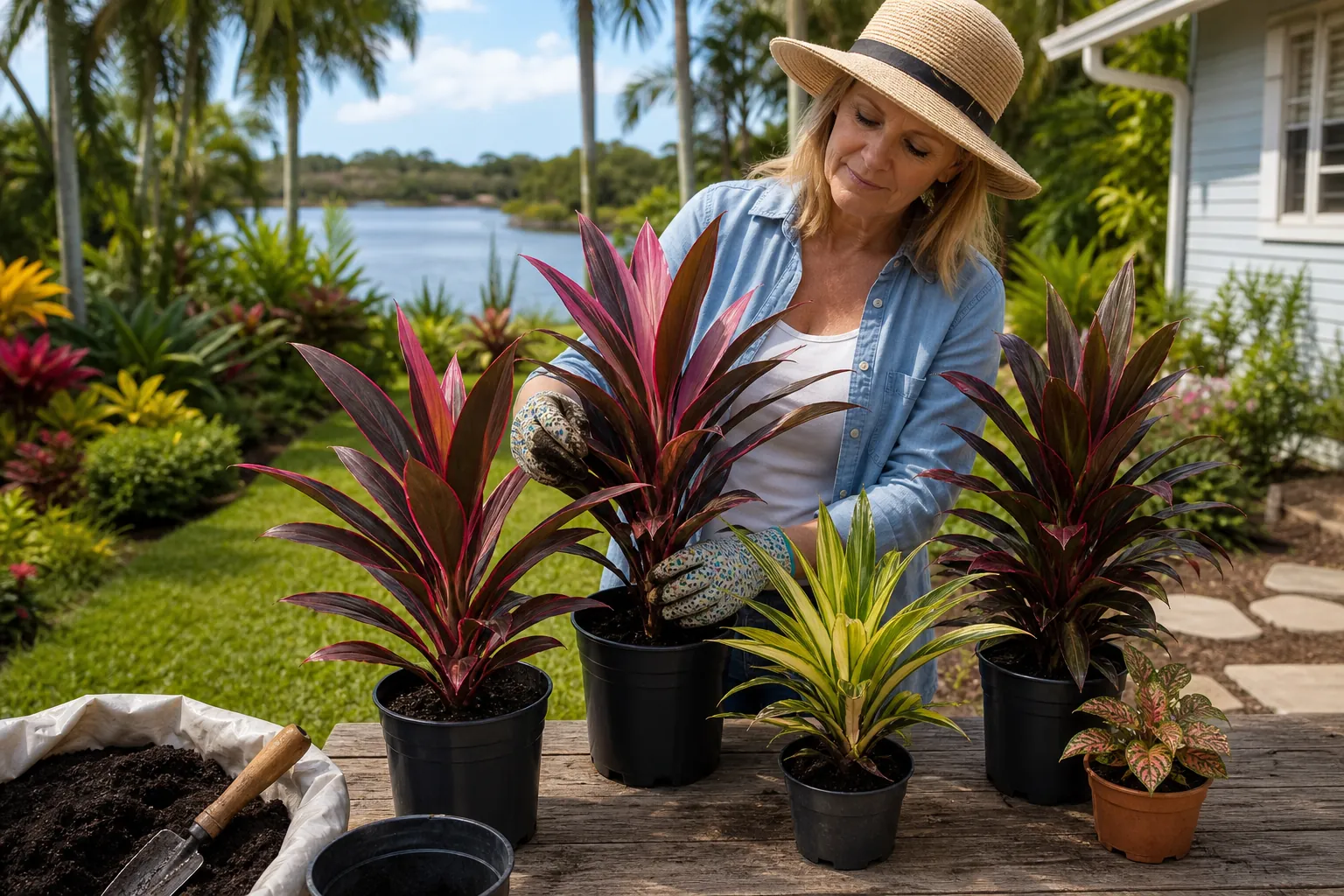
Cordylines bring burgundy, pink, bronze and green foliage to a garden without depending on a flowering season. Their upright leaves can provide contrast beside palms, soften the edge of a patio or make a container look full and colorful. In Northeast Florida, however, choosing the right cordyline involves more than finding an attractive leaf color.
Winter cold, summer sun, sandy soil and coastal exposure all influence how these plants perform. A sheltered courtyard in St. Augustine presents different conditions from an open, windy yard farther inland. Before buying, consider both the plant's identity and the conditions where you intend to grow it.
This guide to cordyline plants for Northeast Florida gardens covers selection, DIY planting, ongoing care and practical ordering decisions. Tropical Yards supplies tropical plants and coquina shell, with dump trailer delivery of plants and coquina shell from St. Augustine to Daytona Beach. Planting and garden care remain the buyer's responsibility.
Understand Which Cordyline You Are Buying
Cordyline is a genus, not a single plant with one set of growing requirements. Plants sold under this name can differ substantially in leaf shape, mature size and tolerance of cold. Common names such as ti plant or cabbage palm can add confusion, so check the botanical name and cultivar whenever possible.
Cordyline fruticosa, commonly called ti plant, is known for broad, colorful foliage. It gives a strongly tropical appearance but is sensitive to cold. In Northeast Florida, it is often better suited to a protected location or a container that can be moved when freezing weather is forecast.
Cordyline australis generally has narrower, straplike leaves and can develop a trunk over time. It is usually more cold tolerant than ti plant, although cultivar, plant maturity, exposure and the duration of a freeze all matter. A colorful cultivar should not automatically be treated as equally hardy as another cordyline.
Some plants sold as spikes or dracaenas also resemble cordylines. Their care requirements may differ. The label matters more than the display arrangement at a sales location.
- Ask for the botanical name and cultivar so you can check the plant's expected size and cold tolerance.
- Choose a plant for the actual growing location rather than relying only on its foliage color.
- Decide whether you want a permanent garden plant or a movable seasonal container before buying.
- Ask Tropical Yards about current cordyline availability rather than assuming a particular variety is in stock.
Match The Plant To Northeast Florida Conditions
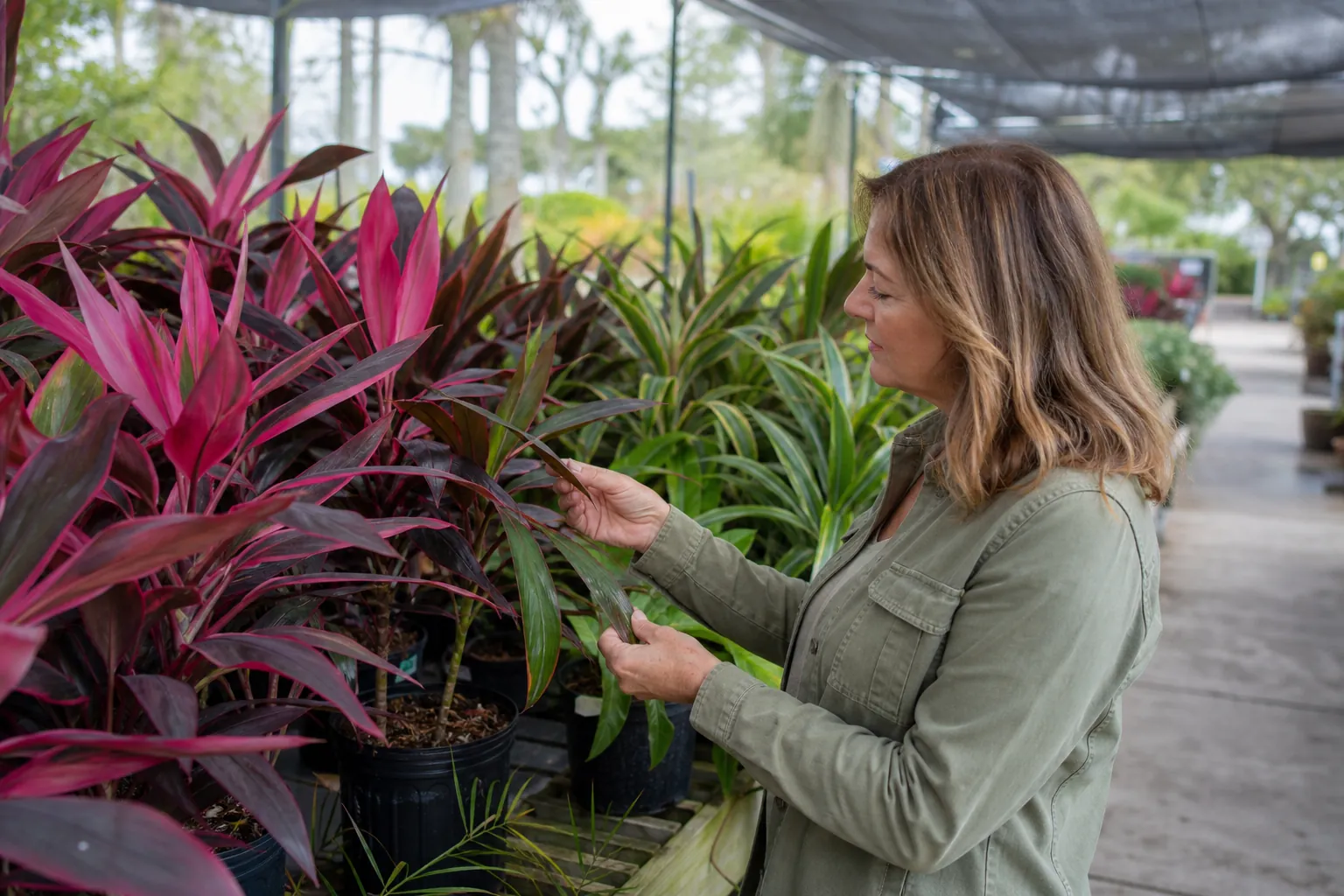
Florida's northeastern coast has warm, humid summers, but it is not frost-free. Inland locations can experience colder nights than sites close to the ocean. Even within one yard, a low spot may collect cold air while a protected area near a building stays somewhat warmer.
Use those differences thoughtfully. A sheltered location can reduce exposure, but it cannot turn a cold-sensitive plant into a freeze-hardy one. If you cannot move or protect a ti plant during cold weather, consider whether it is appropriate for that location.
Balance sunlight and leaf protection
Light requirements depend on the species and cultivar. Many colorful ti plants do well with bright filtered light or morning sun and afternoon shade. Strong afternoon sun can scorch foliage, especially when a plant moves directly from a shaded growing area into an exposed yard.
Some Cordyline australis selections tolerate more direct sun. Confirm the recommendation for the specific plant rather than applying one rule to every cordyline. Introduce additional sunlight gradually when moving a plant from sheltered conditions.
Account for wind and coastal exposure
Persistent wind can shred leaves and dry containers quickly. Salt spray may also damage sensitive foliage. A property near the coast is not necessarily unsuitable, but a cordyline placed directly in an ocean-facing exposure has different demands from one behind a windbreak.
Look for protection from existing structures or vegetation without crowding the plant. Leave enough room for air movement and its mature spread. If a location receives regular salt spray, verify the cultivar's suitability before making it a central feature.
Choose Healthy Plants And Plan Their Placement
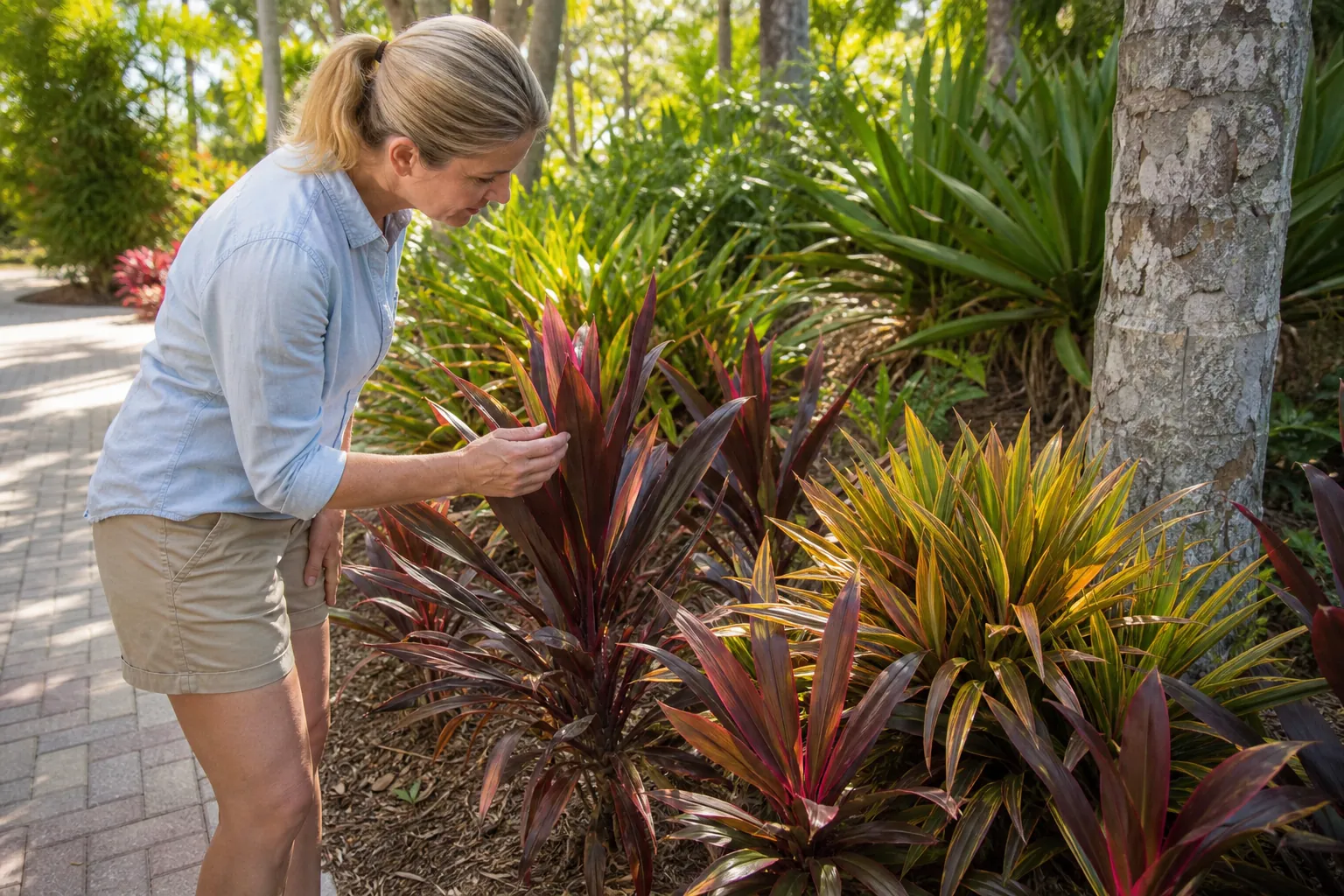
Healthy stock gives a DIY planting project a better starting point. Look for firm stems, a stable root ball and foliage that is consistent with the variety. A few older leaves with wear are not unusual, but extensive spotting, mushy stems or an unpleasant smell from wet potting material deserve closer attention.
Inspect leaf undersides and the places where leaves join the stems. Scale insects and mealybugs can hide in these areas. Avoid bringing an obviously infested plant into a group of healthy container plants.
Consider the long-term shape as well as the current appearance. A compact plant in a nursery pot may eventually become much taller or wider. Planting too close to a walkway, doorway or wall can create avoidable conflicts later.
- Measure the available space and compare it with the cultivar's expected mature dimensions.
- Select plants with healthy growing points rather than choosing solely by height.
- Keep newly purchased plants separate from established container plants briefly while checking for pests.
- Use a movable pot when winter protection is important to your choice.
Cordylines can complement palms, hibiscus, bougainvillea and ferns, but visual compatibility does not mean identical care needs. Group plants according to sunlight, drainage and watering requirements first. Tropical Yards sells these tropical plant categories and other tropical plants; ask what is currently available for your conditions.
Prepare Sandy Soil Without Creating A Wet Pocket
Many Northeast Florida yards have sandy soil that drains quickly and holds relatively little moisture or nutrition. Other sites contain compacted fill, buried debris or low areas that stay wet after rain. Evaluate the actual planting location instead of assuming all Florida soil drains well.
Observe the area after a heavy shower. Persistent standing water is a warning sign for a cordyline planting. These plants generally need drainage that keeps their roots from remaining saturated.
Organic matter can improve moisture retention in sandy beds, but use it thoughtfully. Where suitable, incorporate a modest amount across the planting area rather than filling one deep hole with rich material. A sharply different pocket of soil can complicate water movement and encourage roots to remain inside that pocket.
If the site repeatedly floods or drains poorly, a container may be the simpler choice. Do not assume that gravel or shell placed at the bottom of a planting hole will solve drainage problems. Water still needs a route out of the surrounding soil.
Check for irrigation lines and utilities before digging. Match the planting area to the plant's needs before delivery day so you are not making rushed decisions with plants waiting in pots.
Plant Cordylines Yourself With Care
For many DIY buyers, mild spring weather offers a useful planting window. It allows time for roots to establish before the following winter, although newly planted cordylines still need attention as summer temperatures rise. Avoid planting immediately before forecast freezing weather or during conditions that make watering difficult.
Water the nursery pot before planting if the root ball is dry. Dig a hole no deeper than the root ball and wider than the pot. Position the plant so the top of the root ball is at the surrounding soil level, without burying the stem.
Remove the container carefully. If roots circle tightly around the outside, gently loosen accessible roots without tearing the entire root ball apart. Backfill with the prepared soil, settle it lightly and water thoroughly to bring soil into contact with the roots.
- Keep soil and mulch away from direct contact with the stem.
- Water the root ball and adjacent soil rather than wetting only the surrounding bed.
- Check moisture frequently during establishment, especially during hot or windy weather.
- Adjust irrigation after rainfall instead of following a rigid daily schedule.
A light organic mulch layer can help moderate soil temperature and slow moisture loss. Leave a clear space around the plant's base. Deep mulch against stems can retain excessive moisture and make it harder to inspect the plant.
Tropical Yards supplies materials and plants, not planting labor. Plan your own tools, help and time before placing an order.
Use Containers For Flexible Winter Protection
Containers are particularly useful for cold-sensitive cordylines. They let you adjust sunlight, move a plant away from strong wind and bring it into a protected space during cold events. That flexibility only works if the filled container is manageable.
Choose a pot with functioning drainage holes and enough stability for the plant's height. Use a well-draining container mix rather than dense yard soil. Avoid an excessively large pot that stays wet long after watering.
Place the container where draining water will not create a slipping hazard or stain a sensitive surface. Empty standing water from saucers after watering. A pot that remains submerged at its base can keep roots too wet.
Before winter, decide where the plant will go and how you will move it. A bright, sheltered space is preferable to leaving a cold-sensitive plant outdoors through a freeze. Avoid placing foliage against a cold window or directly beside a heating vent.
When returning the plant outdoors, reintroduce stronger sunlight gradually. A plant that has spent time in lower indoor light can burn when abruptly placed in full afternoon sun.
Water, Feed And Monitor The Foliage
Watering should respond to root-zone moisture, not just a calendar. Newly planted cordylines need closer monitoring because their roots have not spread far beyond the original root ball. Established plants and containers may dry at different rates, even when standing beside one another.
Check the soil or potting mix below the surface before watering. Dry surface material does not always mean the entire root zone is dry. Conversely, a brief shower may wet the leaves without supplying enough water to a container.
Yellowing leaves can result from several problems, including excessive moisture, nutrient issues or natural aging. Brown tips may reflect drying, salts, wind or other stress. Examine the growing conditions before adding fertilizer or increasing water.
Use fertilizer according to the product label and the needs of the specific plant. More fertilizer does not reliably produce better color, and excess salts can injure roots. Avoid pushing tender new growth as cold weather approaches.
Inspect foliage regularly for pests. If treatment is needed, identify the problem first and use a product labeled for that plant and pest. Follow all label directions, including precautions for heat and sunlight.
Remove fully dead leaves with clean tools, but avoid cutting healthy growing points casually. Keep cordylines away from pets that chew plants, since ingestion can be harmful to cats and dogs.
Prepare For Frost And Assess Cold Damage Patiently
Monitor forecasts rather than waiting for visible frost. Move vulnerable containers into shelter ahead of freezing temperatures. For plants in the ground, a suitable frost cloth can reduce exposure when used correctly, but it cannot guarantee survival.
Cover the plant before temperatures fall and extend the covering toward the ground to help retain warmth. Support the material where practical so it does not crush foliage. Avoid placing plastic directly against leaves, and remove or ventilate coverings when daytime conditions warm.
After a cold event, damaged leaves may look limp, discolored or water-soaked. Do not assume the entire plant is dead immediately. Keep watering appropriate to soil moisture and wait until the risk of additional cold has eased before making major cuts.
Firm stems and emerging growth can help you assess recovery. Soft, collapsing tissue is more concerning. If a cultivar repeatedly suffers severe winter damage in the same location, consider changing the location or growing a future replacement in a movable container.
Use Coquina Shell Thoughtfully Around Garden Areas
Coquina shell can provide a coastal-looking surface for suitable paths or decorative areas near tropical planting beds. Tropical Yards sells coquina shell, but choosing its placement and spreading it are buyer tasks.
Shell is not interchangeable with organic mulch. It does not provide the same soil-building benefits, and pale surfaces can reflect heat toward nearby foliage. Shell material may also influence soil chemistry over time, so avoid treating it as a universal root-zone amendment.
Keep shell away from cordyline stems and do not bury root balls beneath a new layer. Near a planting bed, consider a defined boundary that helps keep shell in the intended area. Preserve drainage and access to irrigation components.
Before ordering, measure the surface area and decide on an appropriate depth for the intended use. Ask how the material is supplied and discuss your quantity estimate. Do not order solely from a photograph, since apparent depth and coverage can be misleading.
Plan Your Plant And Shell Delivery Before Ordering
Tropical Yards offers dump trailer delivery of plants and coquina shell from St. Augustine to Daytona Beach. Discuss your location, order and site access before arranging delivery. Availability, load details and access requirements should be confirmed directly.
Identify a practical unloading area with clear access. Mention narrow gates, sharp turns, low branches, overhead wires, soft ground or a steep driveway. Keep vehicles and other obstacles out of the agreed access route.
- Have a shaded holding area ready for plants that you will not plant immediately.
- Choose a shell drop location that does not block doors, drains or essential access.
- Arrange your own tools and help for moving plants and spreading shell after delivery.
- Confirm unloading arrangements rather than assuming plants or shell will be placed throughout the yard.
For current plant availability, coquina shell questions or delivery planning, call Tropical Yards at 772-267-1611. Share your sunlight conditions, winter exposure and whether you intend to grow cordylines in the ground or in containers. A clear plan makes it easier to select materials for a practical DIY tropical garden.
Call 772-267-1611 to talk through next steps.