Does coquina shell create dust in St. Augustine, FL
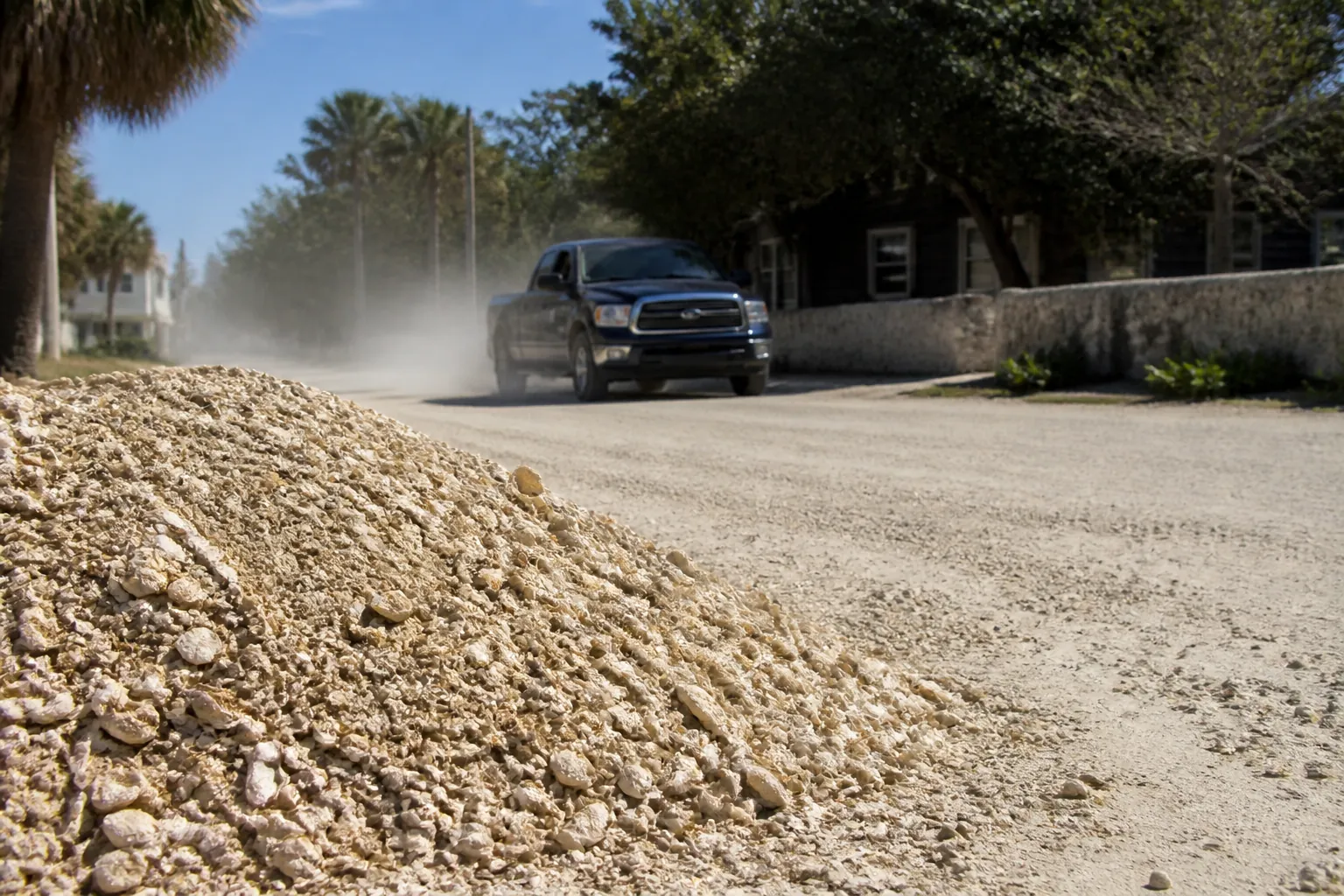
Yes, coquina shell can create dust, especially during handling of dry material. If you're asking “does coquina shell create dust,” examine the fine particles first. Dust levels depend on the material, moisture, and handling methods. Ask about the current stock before selecting shell for your project.
Dust matters when shell sits near doors, parked cars, or outdoor seats. It can also affect how you plan delivery and spread material yourself. A little planning helps you choose a useful spot and avoid extra handling.
Tropical Yards sells coquina shell and tropical plants. Dump trailer delivery is available from St. Augustine to Daytona Beach. The guidance below covers buying shell, planning your drop, and managing your own project. It does not describe installation services.
When does coquina shell create the most dust?
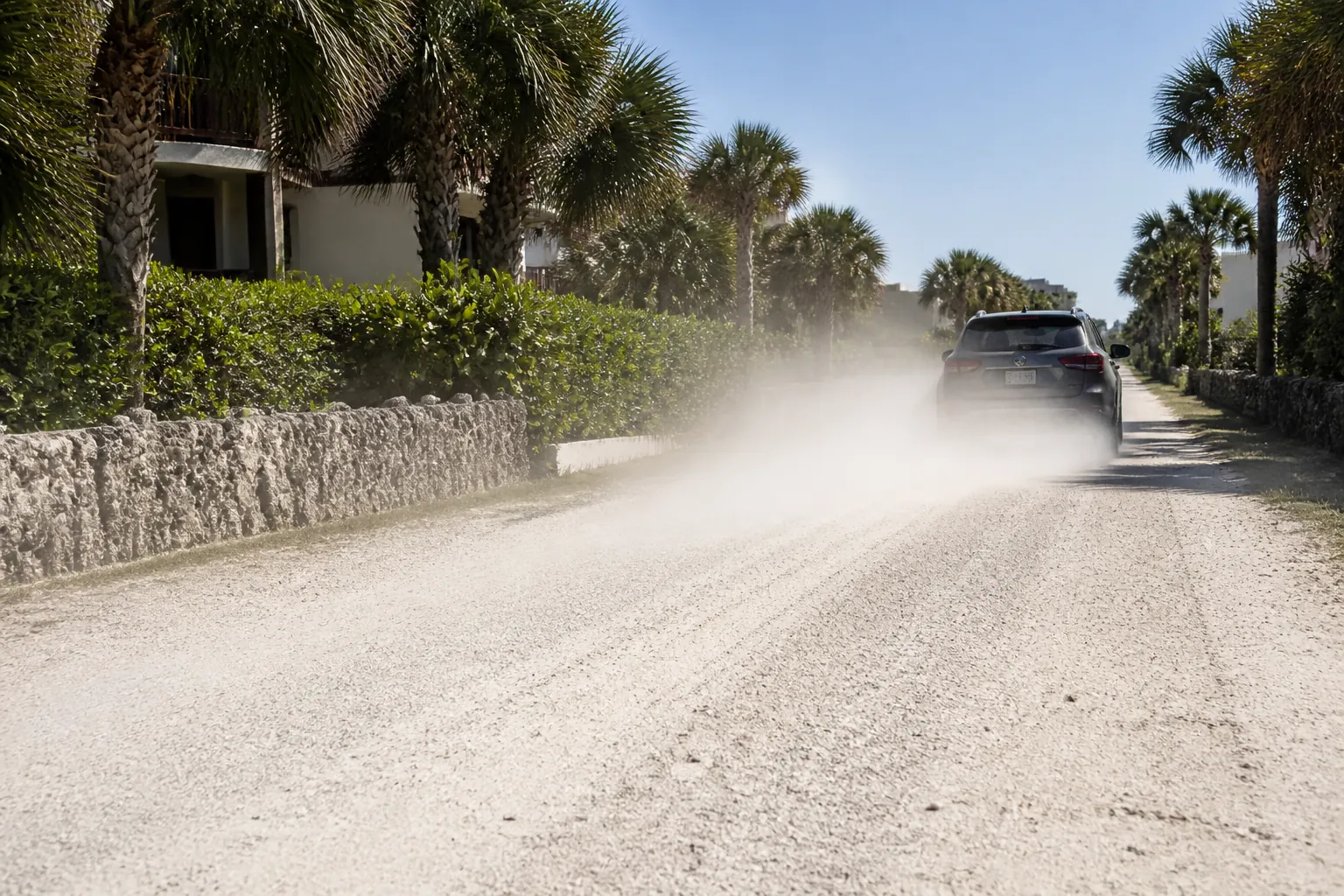
Coquina shell is more likely to release dust when dry fines get disturbed. Dumping, shoveling, raking, and foot traffic can move those small particles. Wind can carry loose dust beyond the work area. Check the stock and site conditions rather than expecting every load to behave the same way. Compare coquina shell delivery planning when planning this step.
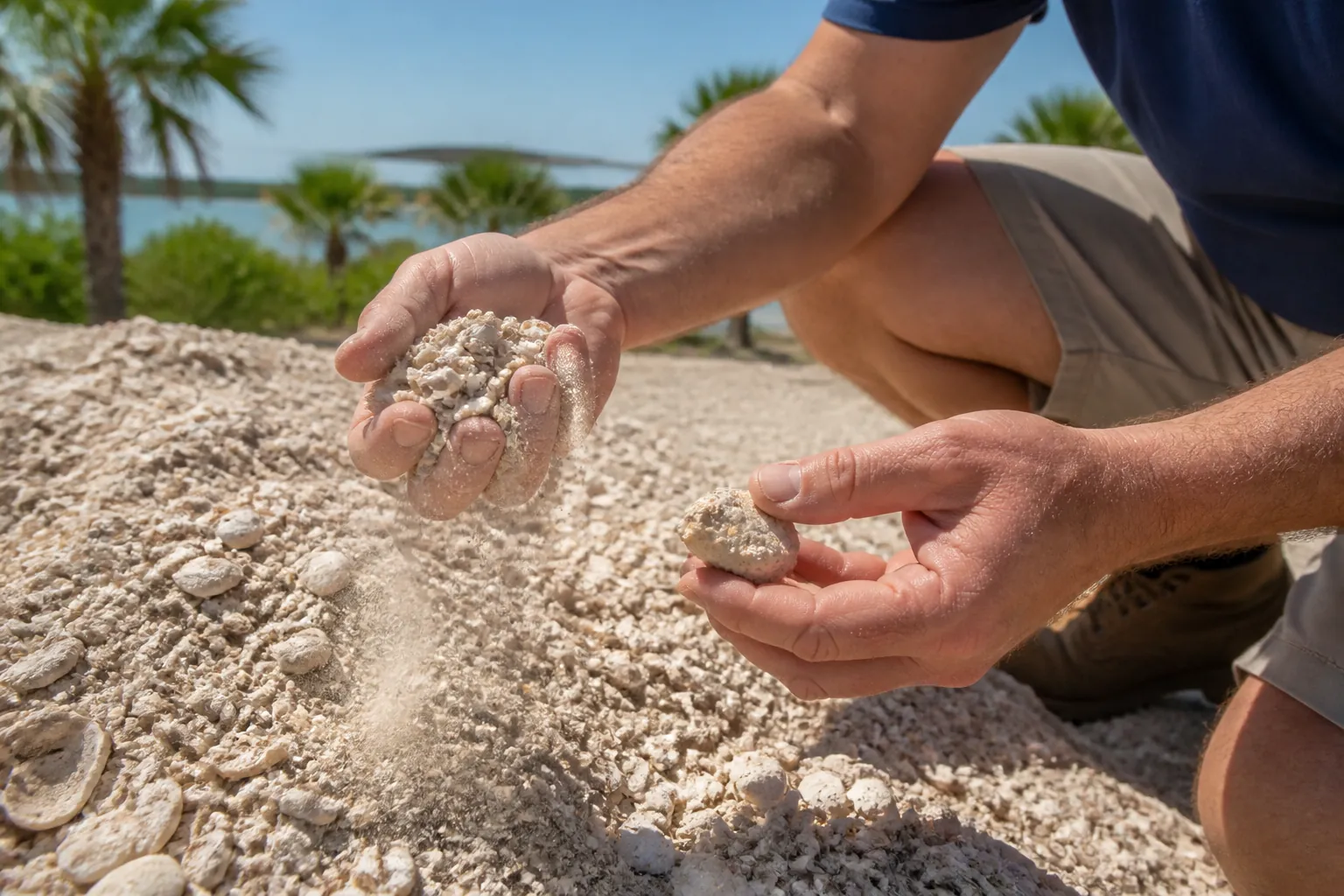
The term “fines” describes small particles mixed among larger shell pieces. Some resemble grit, while the smallest particles have a powdery appearance. A photo can show shell color and general particle size. It may not reveal the fine material beneath the surface.
Moving shell can bring buried fines to the top. That means a neat pile may look different once you start shoveling. Dry weather can make this change easier to notice. Damp material may seem less dusty during the same task.
Moisture changes the appearance, but it doesn't remove fine particles. When the shell dries, disturbance may release those particles again. A damp sample represents the material under specific conditions. Ask about its appearance and handling characteristics when dry.
Think about the task as well as the shell itself. A quiet bed edge gets less disturbance than a busy walking route. A pile moved several times creates more chances for dust. Plan the work so you handle the shell as few times as possible.
How can you check shell before you buy?
Ask about the current coquina shell stock, including its size and visible fines. If viewing material is possible, inspect more than the top layer. Explain where you plan to use it and what dust concerns you. Use the answers to judge fit before arranging a bulk coquina shell delivery planning.
Start with the intended use, rather than appearance alone. A quiet garden border faces different demands than a busy entrance. Tell the supplier about nearby screens, seating, or stored items. These details help explain your concerns about dust and material movement.
- Ask how much loose fine material is visible in the current shell stock.
- Ask whether the material you're viewing is wet or dry at that time.
- Ask what size range to expect within the shell being sold.
- Ask whether you can view current material before placing your order.
- Ask which details the delivery team needs to assess your drop location.
Descriptions such as “clean” can have different meanings for different buyers. Ask the supplier to explain descriptions of the current material. Don't assume the shell has received washing or screening treatment. Confirm any processing or grading claim before relying on it.
If you can inspect shell, look for loose powder between larger pieces. Avoid tossing handfuls into the air to test it. Stay clear of equipment and follow the supplier's site rules. A careful look is more useful than creating a dust cloud.
No quick check can predict every dry or windy day. Still, a clear stock description can help prevent a poor match. If appearance is your main concern, ask about color variation too. Natural shell may look different across the pile and under changing light.
Where should you think twice about using coquina shell?
Think carefully before placing coquina shell near spaces that must stay clean. Doorways, pool edges, outdoor dining spots, and air intakes deserve extra review. Dust is one concern; tracked grit and sharp pieces matter too. Choose a material that suits how people and pets will use the space. Compare coquina shell delivery planning when planning this step.
Near an entry, shoes may carry small particles indoors. A shell area beside a mat can still send grit toward the threshold. Consider the walking route before choosing its surface. Don't assume a border will stop all loose material from moving.
Pool areas raise other questions beyond visible dust. Loose shell can reach nearby paving, and pieces may feel rough under bare feet. Review comfort, tracking, and edge control together. If those concerns are hard to manage, compare other surface options.
Pets and young children may spend time close to the ground. Think about digging, chewing, crawling, and bare feet before selecting shell. Ask your vet about pet-specific risks if needed. Keep children and pets away while material is being dumped or moved.
Plant needs matter as well. Shell-based materials can affect nearby soil conditions over time. Don't assume every tropical plant suits shell around its roots. Check the plant's soil needs and use a soil test when that would guide your choice.
Tropical Yards sells palm trees, flowering plants, privacy plants, and other tropical plants. That range doesn't mean each plant needs the same ground cover. Select plants for the site's light, soil, water, and space. Then decide if shell fits beside them.
How should you plan a dump trailer delivery?
Plan a safe, agreed drop location before your coquina shell arrives. Share access limits, overhead hazards, and concerns about the ground surface. Keep people, pets, and vehicles clear during coquina shell delivery planning. Tropical Yards provides dump trailer delivery, while you arrange your own spreading and other project work.
A suitable delivery location reduces repeated handling of the material. Consider the distance to your project and access for your tools. Leave sufficient space for safe trailer access and unloading. The delivery team must assess the location before accepting the plan.
Describe gates, narrow turns, slopes, and low branches before booking. Mention overhead wires and any covered structures near the route. Don't judge access from your car's path alone. A dump trailer needs space for both travel and unloading.
- Confirm the drop spot with the supplier before the delivery is scheduled.
- Move parked cars and loose items away from the agreed access route.
- Tell the supplier about soft ground, buried systems, and surface damage concerns.
- Keep children and pets inside or well away from the delivery area.
- Plan where your tools and wheelbarrow will sit after the truck leaves.
- Ask how weather or unsafe access could affect the planned delivery.
Don't place a tarp where it could create a vehicle hazard. If you want ground protection, discuss it with the supplier first. Any protective layer must suit the drop plan and site. Avoid standing near the trailer to adjust it during unloading.
Wind deserves a place in the discussion too. A dry pile can release dust during a drop. Tell the supplier about nearby doors, seating, and other sensitive areas. Ask what options exist if conditions make the planned drop unsafe.
Measure your project area before discussing the quantity to order. Record length, width, and intended depth using consistent measurement units. Account for curves and separate sections rather than assuming one rectangle. Confirm the supplier's measurement and sales units before ordering material.
How can you limit dust while spreading shell yourself?
Limit dust by choosing calm conditions, reducing handling, and moving shell gently. Keep bystanders away, and avoid throwing material through the air. Light moisture may help with loose dust if site conditions allow. It won't remove fines or replace suitable protective gear and safe work habits. Compare coquina shell material options and coquina shell delivery planning when planning this step.
Start with a clear route between the pile and project area. Remove trip hazards before loading your wheelbarrow. Use loads you can control on slopes and uneven ground. Rushing with an overloaded barrow can create spills and extra handling.
Shovel from a stable position and keep each transfer low. Lower the shovel near the barrow rather than tossing shell from waist height. When emptying a load, work slowly and stay balanced. Smaller loads may be easier to place with care.
- Choose a calm work period instead of working through strong gusts.
- Wear eye protection and sturdy shoes while moving and spreading shell.
- Keep loads manageable so you can steer and stop your wheelbarrow safely.
- Use gentle, low transfers rather than flinging shell across the work area.
- Stop work if dust drifts toward people or makes breathing uncomfortable.
If you dampen shell, use a gentle spray and avoid runoff. Don't soak the pile or send shell grit toward drains. Check local water rules before using a hose. Stop adding water if it creates slippery footing or muddy access.
Don't assume visible shell dust is harmless. Avoid breathing it, and ask for any available material safety information. Follow that guidance and the instructions for any protective equipment. If you have lung disease, ask your clinician before doing dusty work.
A cloth face covering isn't a substitute for suitable dust protection. The right equipment depends on the material and exposure. If dust remains hard to control, stop and seek advice. You can change the work plan rather than push through poor conditions.
What helps keep dust and grit from spreading later?
After spreading shell, reduce the traffic and disturbances that move loose fines. Watch where water flows and where shoes carry grit. Avoid dry blowing or sweeping that sends dust into the air. If the area keeps causing problems, review its location and use instead of adding more shell. Compare coquina shell material options and coquina shell delivery planning when planning this step.
Inspect the surface after dry weather and after rainfall. These conditions may reveal different concerns, including dust and displaced particles. Examine borders, lower areas, and nearby pavement for loose material. Identify patterns of material movement before deciding what needs adjustment.
A defined edge can help contain larger shell pieces. It won't catch every fine particle or stop windblown dust. Leave room to inspect the border and nearby drain paths. Don't build an edge that traps water against a structure.
Be cautious with leaf blowers around shell. Strong airflow can scatter grit and raise settled dust. Keep people, pets, open windows, and parked cars in mind. Choose a method that contains material rather than sending it elsewhere.
Don't wash loose fines into streets or storm drains. Plan how to collect stray grit from nearby hard surfaces. If water is used, keep runoff on a suitable part of your property. Follow local rules for drainage and waste disposal.
Persistent dust may indicate that the material doesn't suit the location. Additional depth or moisture may not address the underlying problem. Consider pedestrian traffic, wind exposure, and the material's fine particle content. Another surface may be more suitable for that particular area.
Frequently Asked Questions About Coquina Shell Dust
These answers cover common buying and DIY concerns about shell dust. Actual results depend on the stock, weather, site, and use. Ask about current material before ordering, and describe your drop location clearly. Keep delivery arrangements separate from the spreading and yard work you'll handle yourself.
Does wet coquina shell create dust after it dries?
It can. Water may hold loose fines down for a time. Once the material dries, moving it can release those particles again. Wet stock doesn't prove that the same shell will stay low-dust.
Can you rinse all the dust out of coquina shell?
Don't assume a home rinse will remove every fine particle. It can also create runoff that carries grit elsewhere. Ask about the stock before buying instead of planning heavy rinsing. Never send shell sediment into a storm drain.
Will coquina shell always be dusty near a walkway?
No, dust levels can vary with the material and conditions. Foot traffic can disturb loose fines and track grit, though. Inspect the current stock and consider nearby doors. Think about shoe comfort and loose pieces as well as dust.
Does Tropical Yards spread the shell after delivery?
No. Tropical Yards supplies coquina shell and tropical plants, with dump trailer delivery. You'll need to handle spreading yourself or arrange separate help. Confirm the drop details when ordering so your project starts with a workable plan.
What should you ask before ordering coquina shell?
Ask about current stock, visible fines, size range, and delivery access. Share your area measurements and intended use. Mention nearby doors, pools, or other dust-sensitive spaces. Clear details help you decide if the shell suits your project.
For coquina shell sales and delivery questions, call Tropical Yards at 772-267-1611. Share your St. Augustine project details and ask about current stock. You can also ask about tropical plants and dump trailer delivery.
Sources And Further Reading
Call 772-267-1611 to talk through next steps.