What Should a St. Johns County HOA Landscape Approval Request Include?

An HOA landscape approval request should help reviewers understand exactly what will change, where the work will occur, and how the finished area will look. Requirements vary by community, so begin with your association’s current governing documents, design standards, and application form. Do not assume that a neighbor’s approval establishes the rules for your property. A complete, property-specific package can reduce avoidable questions and help you make decisions before purchasing plants or scheduling work.
1. Confirm the Rules Before Designing the Project
Start by locating the latest architectural or landscape guidelines for your HOA. Read the sections covering plantings, trees, palms, turf, edging, hardscape, drainage, irrigation, lighting, and any changes visible from shared areas. Some communities use a general exterior-change form, while others require a separate landscape application. Confirm which form applies and whether the owner, contractor, or both must sign it.
Pay close attention to submission procedures. Note whether the association requests a survey, photographs, color samples, plant specifications, neighbor acknowledgments, or other supporting material. Also identify any stated review sequence and whether work must wait for written authorization. If a requirement is unclear, ask the association or its management contact for clarification in writing.
Check for restrictions that affect your choices, such as approved plant lists, prohibited materials, visibility requirements, easements, setbacks, or limits on removing established vegetation. Build the request around the written standards rather than designing first and trying to justify exceptions later.
2. Show the Existing Property and Proposed Changes
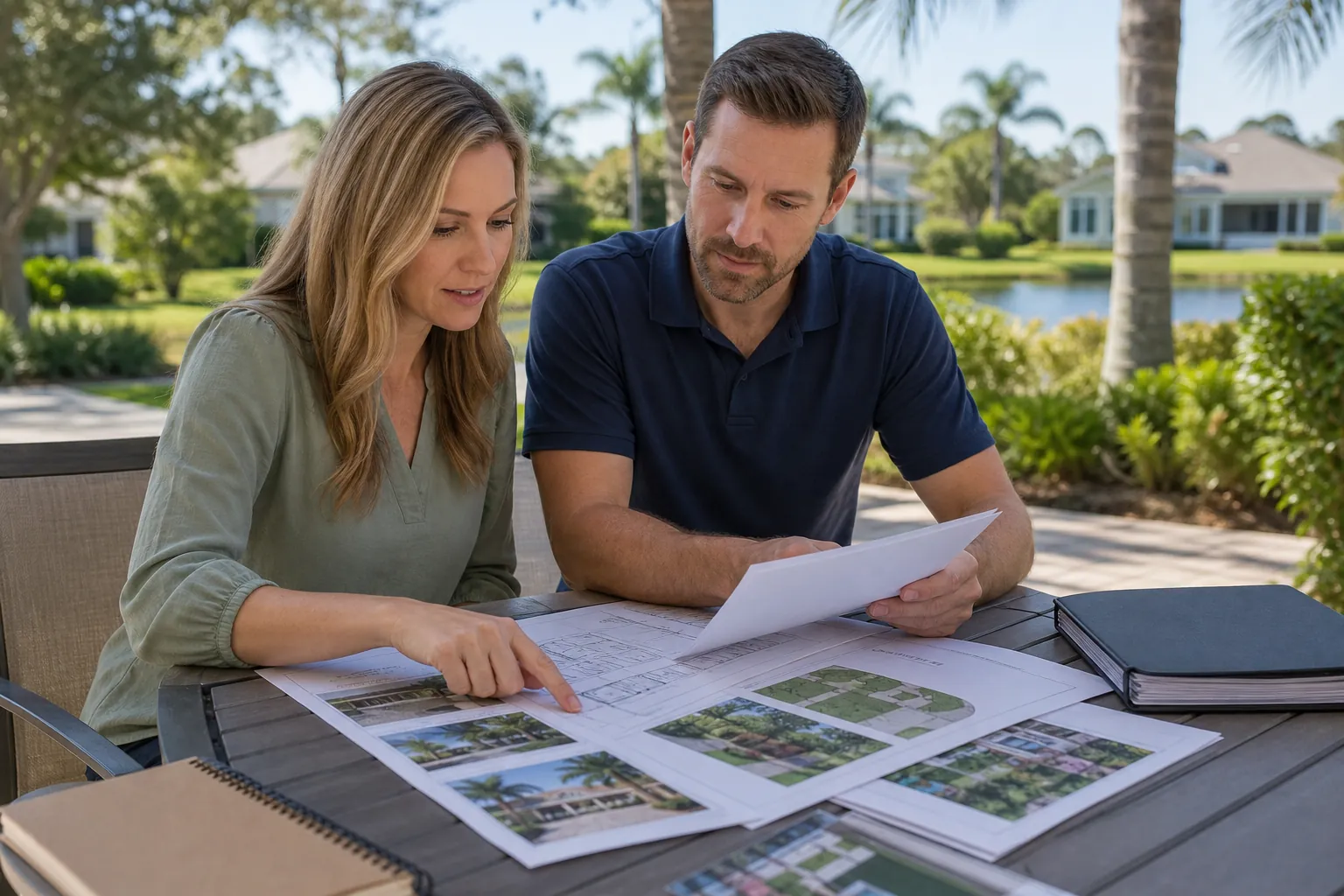
Your application should make it easy to compare the current yard with the proposed result. Begin with clear, recent photographs taken from several useful viewpoints. Include the full work area, nearby structures, property edges, existing plants, and features that may affect placement. Label the images if the proposal involves more than one part of the yard.
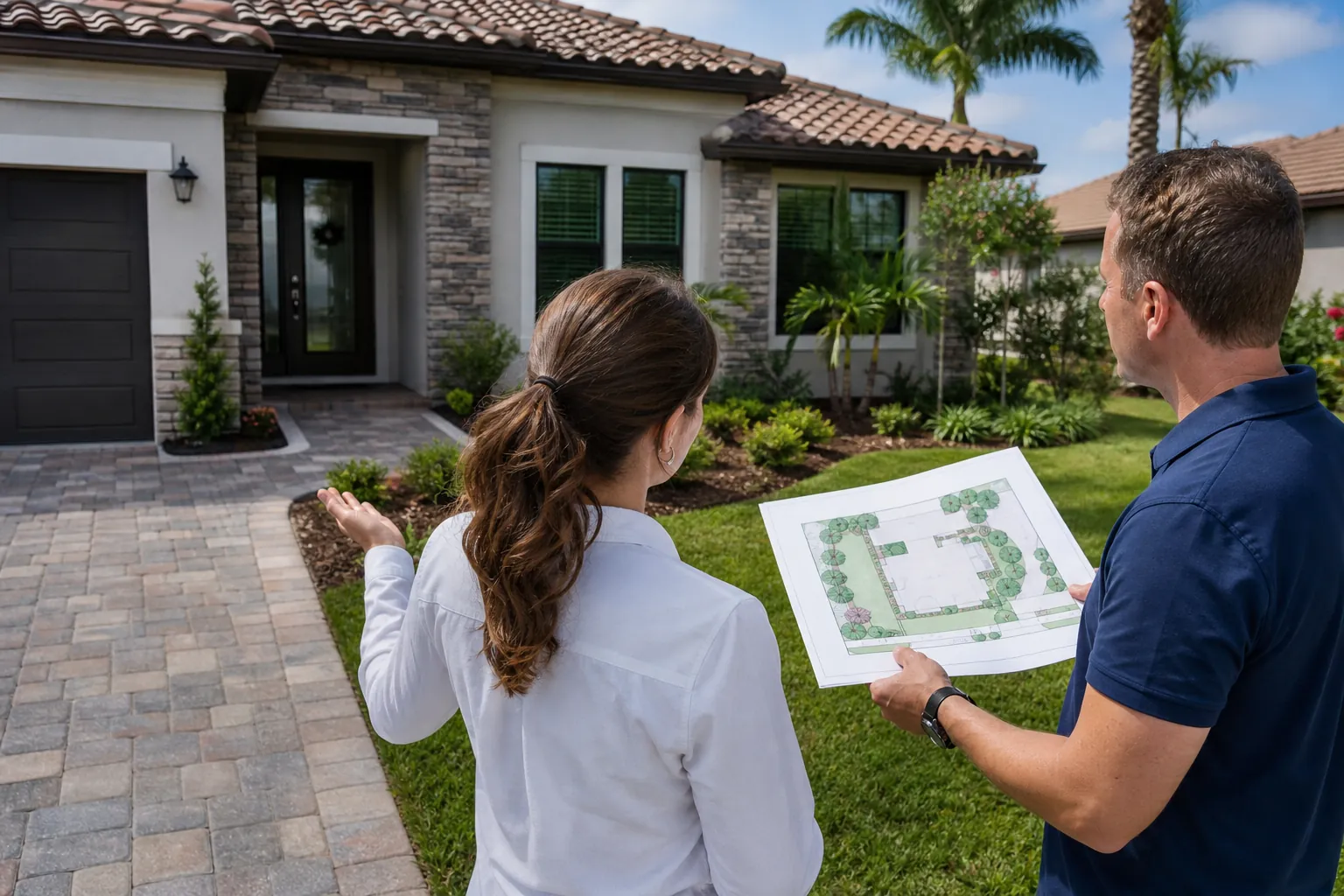
Next, create a legible plan. A copy of a property survey may provide a useful base if your HOA accepts it. Mark the house, driveway, walkways, fences, existing beds, and the approximate property boundaries. Identify what will remain, what will be removed, and what will be installed. Use symbols, numbers, or colors consistently, then add a key explaining each mark.
Dimensions make the plan more useful. Show bed widths, distances from structures, and the proposed locations of larger plants or other prominent features. If the work is being completed in phases, identify each phase and explain whether the application covers all phases or only the first.
3. Provide Specific Plant and Material Information
A phrase such as “new tropical landscaping” is too broad for a reviewer to evaluate. Name each proposed plant as specifically as possible and provide the quantity. If you know both the common and botanical name, including both can prevent confusion between plants with similar common names. State the proposed location and relevant installation size or form when your association requests that information.
Describe non-plant materials with the same care. Identify the intended mulch, stone, edging, border, container, or decorative element, including color and finish where appearance matters. Photographs or product information can clarify items that are difficult to represent on a plan.
- Completed HOA application form and required signatures
- Current photographs of every affected area
- Marked plan showing removals, additions, and dimensions
- Plant names, quantities, locations, and requested specifications
- Material descriptions, colors, and supporting images
- Notes about irrigation, drainage, access, and maintenance
- Copies of written questions, responses, and final approval
Review the list against your community’s documents before submitting, since its requirements may differ.
4. Address Practical Effects and Ongoing Care
Reviewers may need to understand more than appearance. Explain how the proposal relates to irrigation, drainage, access, utilities, neighboring property, sidewalks, driveways, and sightlines. If beds are changing shape or grade, clearly note whether water flow could be affected. Avoid making unsupported claims. Instead, provide drawings, product details, or written explanations that show how you reached your decisions.
Include a simple maintenance description. State how beds will be kept defined, how plant growth will be managed, and how the design will avoid obstructing access or visibility. Consider mature plant size when deciding spacing. A layout that fits on installation day may create conflicts later if growth was not considered.
Seasonal planning can also influence plant care decisions. If your proposal includes young palms, review how to protect young palms from frost in St. Augustine while preparing your maintenance notes. The HOA request and the care plan serve different purposes, but thinking through both can support a more practical proposal.
5. Submit, Track, and Verify the Final Approval
Before sending the application, compare every page with the HOA checklist and governing documents. Make sure plant names and quantities match across the form, plan, and supporting notes. Confirm that photographs are readable, dimensions are understandable, and attachments are labeled. If you refer to a product or material, include the corresponding image or specification.
Keep a complete copy of the submitted package and record the submission date. If the reviewer requests revisions, answer each question directly and update all affected documents. A change to plant quantity, material color, or placement should be reflected everywhere it appears. This prevents an older page from conflicting with the revised plan.
Wait for written approval before relying on the request as accepted. Read the approval carefully for conditions, expiration language, or required changes. Keep it with the final plan and related correspondence. If the scope changes later, check whether a revised request is necessary rather than assuming the original approval covers different work.
Prepare Your Request With a Clear Next Step
A strong HOA landscape request is specific, consistent, and easy to review. Gather the current rules, document existing conditions, label every proposed change, and retain written records. If you want to discuss your landscape plans with Tropical Yards, call 772-267-1611. The conversation can begin calmly with your property details, HOA documents, and the decisions you are considering.
Call 772-267-1611 to talk through next steps.