A practical guide to refreshing landscape beds in St. Augustine
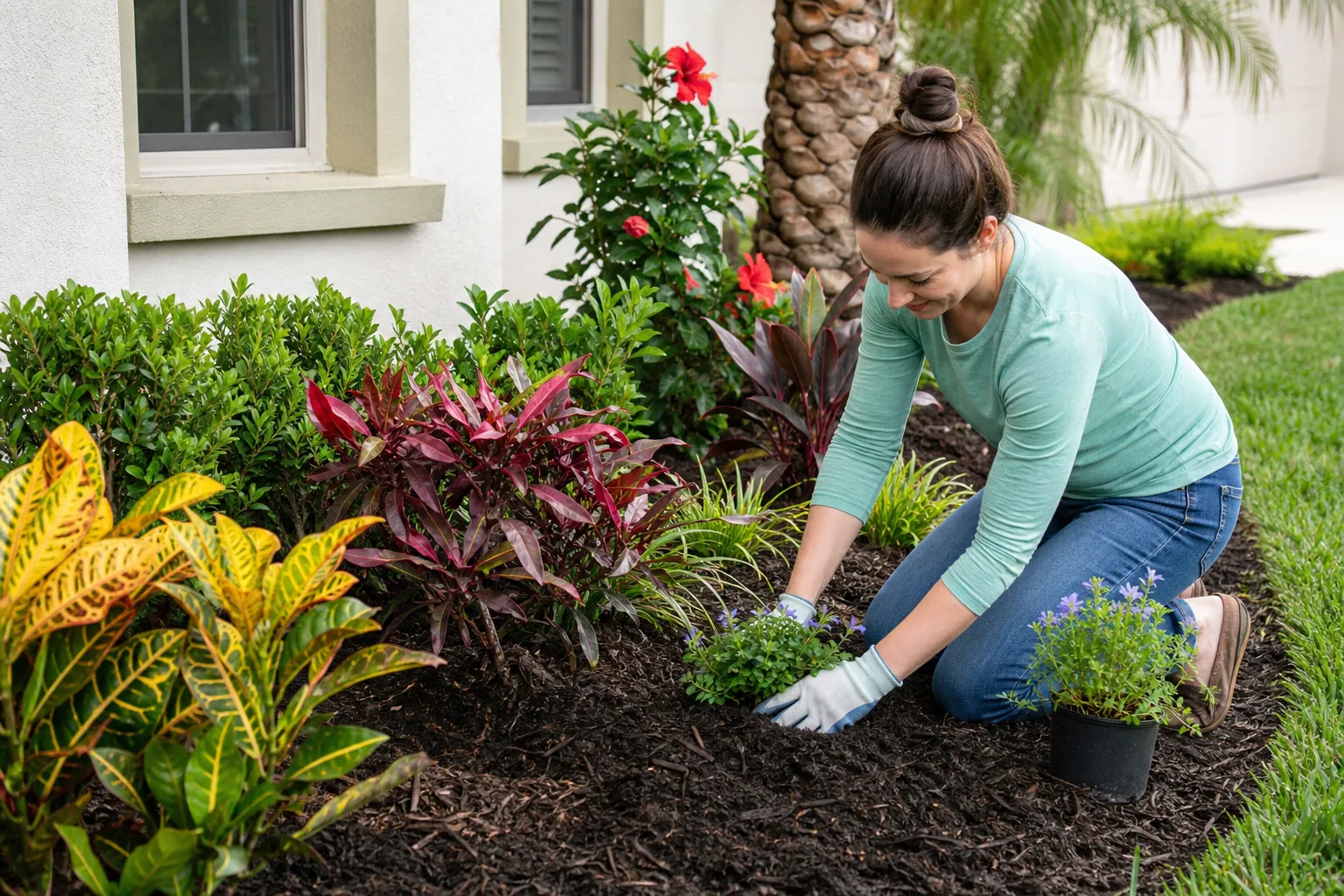
Landscape beds frame your home, soften hard surfaces, and create much of its curb appeal. In Northeast Florida, however, strong sun, sandy soil, salt exposure, heavy rain, and year-round weed growth can quickly leave a planting area looking thin or overgrown.
A professional landscape bed refresh in St. Augustine is more than adding fresh mulch. The best results come from evaluating what is already working, correcting underlying problems, and choosing updates suited to the property. Tropical Yards helps local homeowners restore tired beds with practical improvements designed for Florida conditions.
Signs Your Landscape Beds Need Attention
Some beds decline gradually, so it can be difficult to identify when routine maintenance is no longer enough. Faded mulch is an obvious concern, but plant spacing, drainage, soil condition, and sunlight changes may matter more.
A refresh may be worthwhile when you notice:
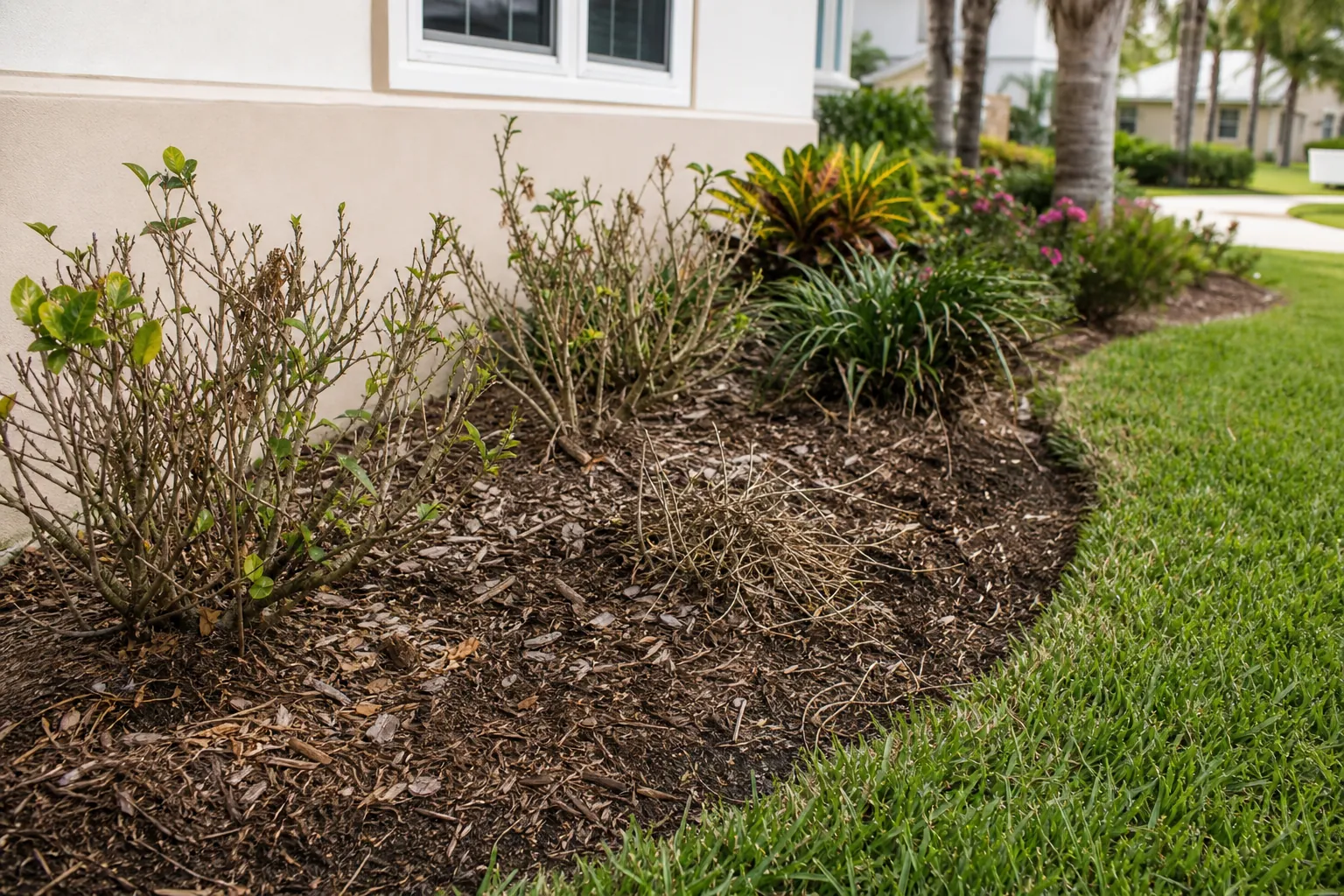
- Mulch that is thin, gray, compacted, or washing into the lawn
- Persistent weeds returning soon after removal
- Shrubs with bare lower branches, uneven growth, or crowded canopies
- Plants struggling because the bed has become sunnier or shadier
- Standing water after storms or soil that dries unusually fast
- Edging that has disappeared, shifted, or become difficult to maintain
- Large empty spaces that make the landscape look unfinished
- Plants growing across walkways, windows, utilities, or air-conditioning equipment
Not every struggling plant needs replacement. Selective pruning, improved irrigation coverage, soil amendments, or relocation can sometimes restore it. A thoughtful assessment helps preserve healthy material while directing the budget toward changes that will have the greatest visual and practical impact.
Start With Cleanup And A Clear Bed Shape
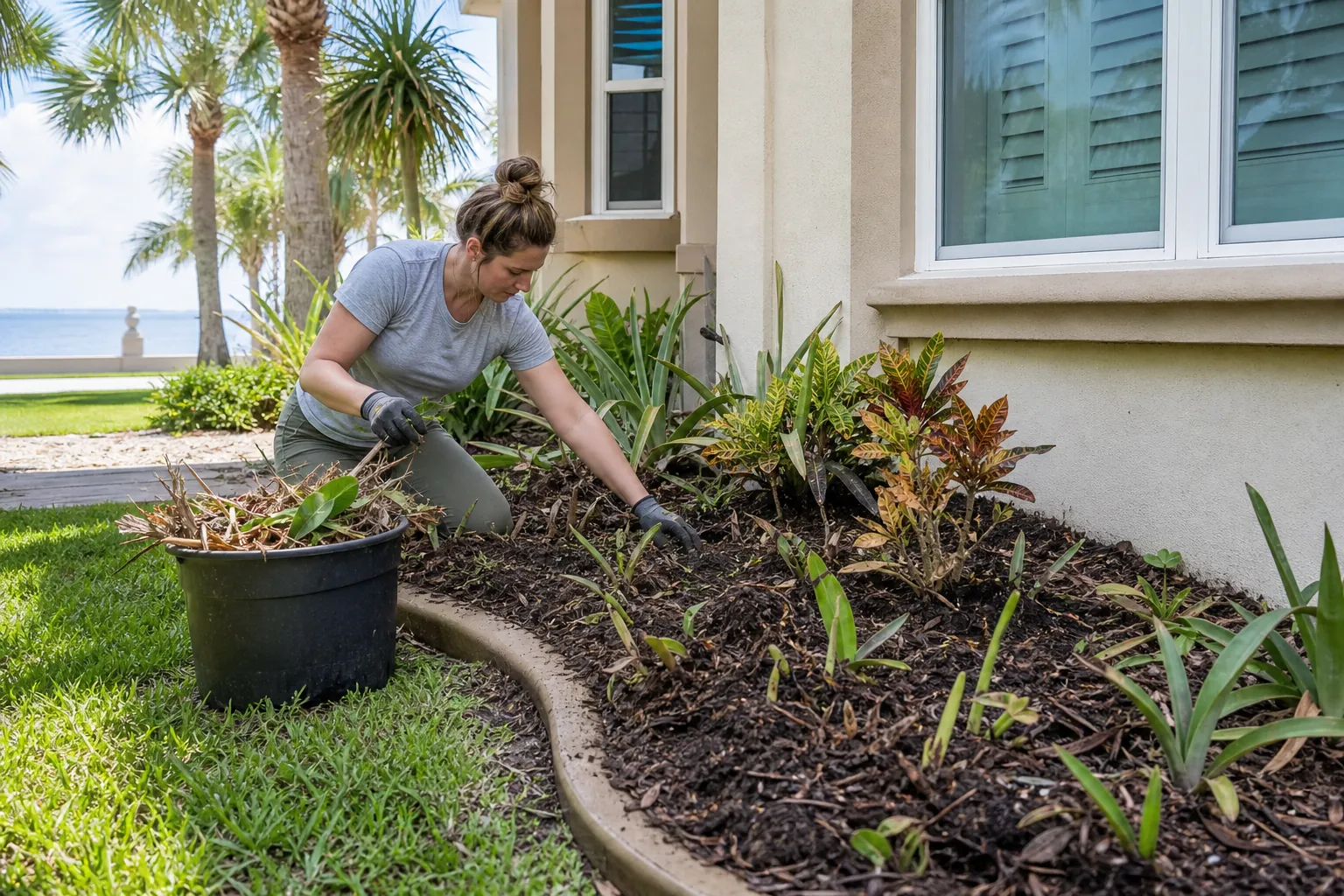
Good preparation creates the foundation for a successful refresh. Fallen leaves, weeds, dead annuals, volunteer seedlings, and accumulated debris should be removed before new material is installed. Existing shrubs can then be pruned according to their natural growth habits instead of being cut into shapes that may weaken them.
Bed lines also influence how organized the entire yard appears. Smooth curves or clean straight edges make mowing easier and separate turf from planting areas. The right shape should complement the architecture, avoid awkward narrow strips, and provide enough room for plants at mature size.
During preparation, it is important to inspect for buried edging, landscape fabric, compacted mulch layers, exposed roots, and irrigation components. Old fabric can interfere with planting and may not stop weeds as expected. Excess mulch piled around trunks and stems should also be pulled back to reduce moisture-related problems.
Choose Plants For St. Augustine Conditions
Plant selection should begin with the conditions in each bed, not with appearance alone. A sunny front foundation may require different plants from a shaded courtyard. Homes closer to the coast may also need species with better tolerance for wind and salt spray.
Florida-friendly choices can include dwarf palmetto, coontie, flax lily, muhly grass, firebush, Simpson's stopper, sunshine mimosa, and selected varieties of lantana or salvia. The appropriate mix depends on available space, exposure, irrigation, desired color, and maintenance preferences. Native plants can be valuable, but they still need to be matched to the correct site.
Layering plants creates depth without overcrowding. Taller structural plants generally belong toward the back or at key corners, medium plants form the main composition, and low-growing material defines the front edge. Repeating a limited plant palette often looks calmer and more intentional than installing one of everything.
Mature dimensions deserve careful attention. Small nursery plants may eventually spread several feet. Proper spacing reduces frequent trimming, improves airflow, and keeps windows and paths clear. It can also lower replacement costs by preventing plants from competing for limited light and water.
Improve Soil, Drainage, And Irrigation
St. Augustine soils vary, but many residential properties have sandy, compacted, or construction-disturbed ground. Before planting, the soil should be checked for drainage and amended only as appropriate for the selected plants. Adding large amounts of rich material to an individual planting hole can discourage roots from expanding into surrounding soil.
Drainage problems should be addressed before mulch hides them. Low spots, downspout discharge, roof runoff, and irrigation overspray can create consistently wet zones. In contrast, raised areas and beds near reflective walls may dry quickly. Plant choices and grading need to account for these differences.
Irrigation coverage should be reviewed during a refresh. Spray heads blocked by shrubs may leave some plants dry while soaking others. Drip or targeted watering may suit certain beds, provided the system is maintained and adjusted as roots establish. New plants typically need closer monitoring at first, followed by watering based on weather and actual soil moisture.
Apply Mulch Correctly
Fresh mulch gives beds an immediate visual lift, but its function is equally important. Mulch can moderate soil temperature, reduce evaporation, limit weed germination, and protect soil from erosion during Florida downpours.
A consistent layer is preferable to excessive depth. Mulch should not be mounded against tree trunks, shrub stems, siding, or fence posts. Keeping space around plant crowns allows airflow and helps reveal irrigation or pest issues. If old mulch is heavily compacted, it may need loosening or partial removal before a new layer is added.
Material and color should coordinate with the home and surrounding landscape. Pine bark, pine straw, and other locally appropriate options each create a different texture. The best choice is one that supports the design, stays in place reasonably well, and fits the homeowner's maintenance expectations.
Plan A Refresh That Lasts
A renewed bed will still need care, but smart design can make that work more manageable. After installation, monitor new plants for stress, pull weeds before they seed, and adjust irrigation as seasons change. Avoid automatic heavy pruning, especially when plants are flowering or establishing roots.
Seasonal inspections are useful after freezes, tropical weather, or long dry periods. Look for mulch displacement, broken branches, clogged drainage routes, exposed irrigation, and changes in plant health. Small corrections made promptly can prevent a bed from returning to the condition that required a major refresh.
Tropical Yards can evaluate existing plants, bed layout, soil conditions, and maintenance goals before recommending improvements. Whether your property needs selective cleanup or a broader redesign, the focus should be a balanced landscape that fits St. Augustine's climate and your home.
To discuss a calm, practical plan for your landscape beds, call Tropical Yards at 772-267-1611.
Call 772-267-1611 to talk through next steps.