Year-round landscape care for St. Augustine properties
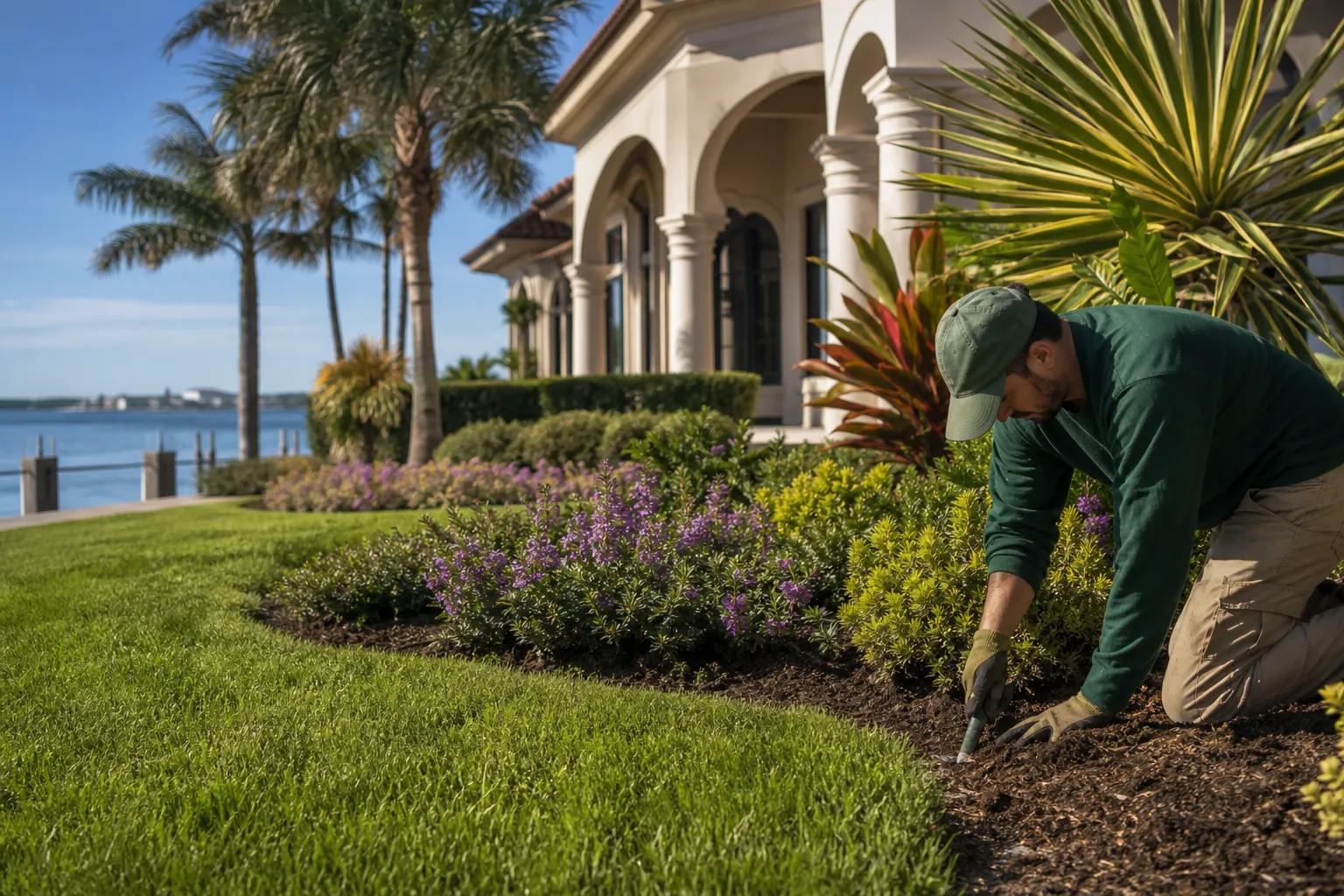
A beautiful Florida yard needs more than occasional mowing or a quick cleanup before guests arrive. Heat, humidity, salt exposure, heavy rain, sandy soil, and fast-growing tropical plants can change a landscape from week to week. A structured maintenance plan keeps these conditions from becoming expensive problems.
At Tropical Yards, we approach landscape care as an ongoing process. The right schedule supports healthy turf, balanced plant growth, neat beds, and efficient irrigation while respecting the specific needs of each property. For homeowners and property managers comparing landscape maintenance plans St Augustine services, understanding what should be included makes it easier to choose lasting value instead of a one-size-fits-all visit.
Why St. Augustine Landscapes Need Consistent Care
Northeast Florida has a long growing season. Warm temperatures encourage grass, palms, shrubs, ornamentals, and weeds to grow quickly. Summer storms may saturate low areas, while dry periods can stress turf and newly installed plants. Coastal wind and salt can also affect sensitive species.
Consistent service allows small concerns to be identified before they spread. A dry irrigation zone, for example, may first appear as a small patch of discolored grass. Without attention, that patch can expand and invite weeds. Likewise, shrubs that are trimmed at the wrong time may lose flowers, develop bare interiors, or become vulnerable to stress.
A plan creates a rhythm for the property. Routine mowing, edging, pruning, and bed care maintain curb appeal, while seasonal adjustments support plant health. This proactive approach is especially useful for second homes, rental properties, communities, and busy households that cannot inspect the yard every week.
What A Complete Maintenance Plan Should Include
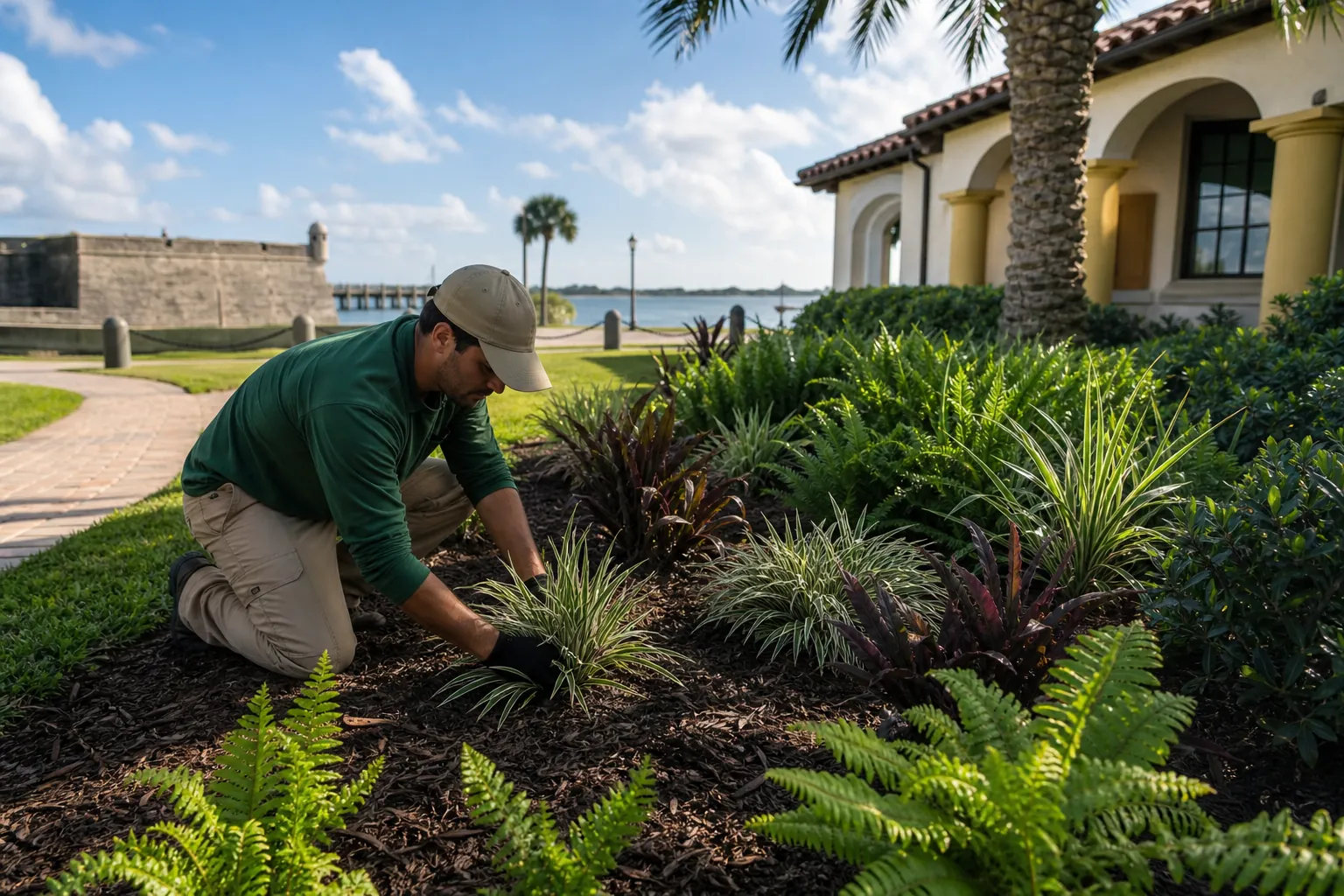
Effective maintenance is broader than cutting grass. Each landscape has different turf varieties, sun exposure, drainage patterns, plant groupings, and design goals. Service frequency and tasks should reflect those conditions.
A well-designed plan may include:
- Scheduled mowing: Turf is cut at an appropriate height for its variety and current growth rate, helping protect roots and reduce avoidable stress.
- Edging and trimming: Clean boundaries around walkways, driveways, patios, and beds create a polished appearance without damaging tree trunks or plant stems.
- Seasonal pruning: Shrubs and ornamentals are shaped according to their natural growth habits, flowering cycles, and location rather than repeatedly sheared into dense forms.
- Bed maintenance: Weeds, volunteer growth, debris, and encroaching turf are managed to keep planting areas tidy and reduce competition.
- Leaf and debris cleanup: Fallen material is removed from visible areas, hardscapes, and beds as appropriate, improving presentation and reducing buildup.
- Irrigation observation: Obvious signs of broken heads, overspray, pooling, or uneven coverage are noted so corrective action can be considered.
- Plant health monitoring: Changes in color, vigor, leaf condition, or growth patterns are watched for so concerns can be addressed early.
- Storm readiness and recovery: Loose debris, damaged growth, and fallen limbs may require extra attention before or after severe Florida weather.
The exact scope should be clear before service begins. Property owners should know which tasks occur on every visit, which are performed seasonally, and which require separate approval. This transparency prevents assumptions and helps establish realistic expectations.
How Seasonal Changes Affect The Schedule
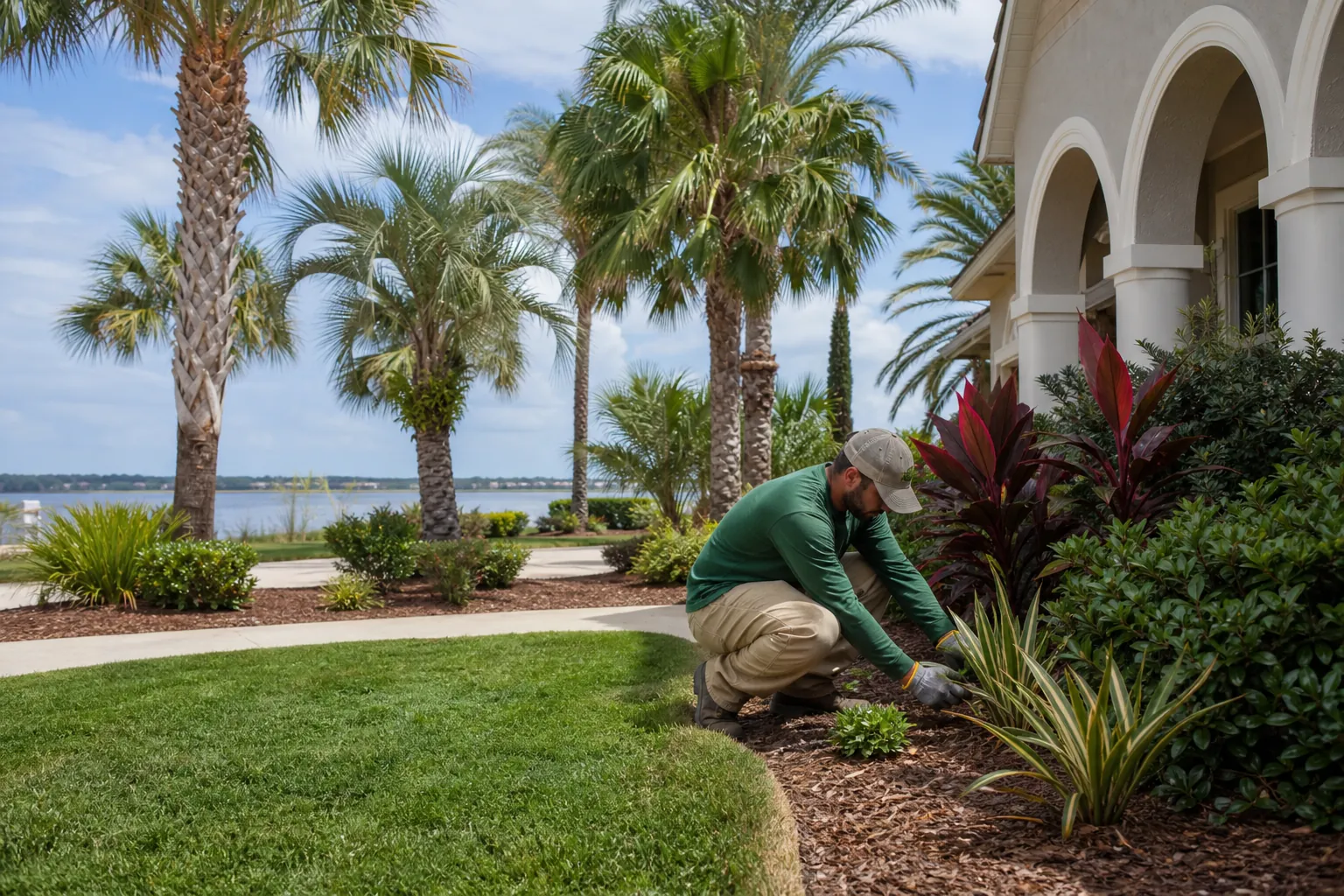
Florida landscapes do not require identical care every month. During warm, rainy periods, turf and weeds may grow rapidly, increasing the need for frequent mowing and edging. Plants may also need selective pruning to preserve visibility around windows, signs, sidewalks, and driveways.
Growth often slows during cooler or drier weather. Mowing frequency may be adjusted to avoid scalping or stressing dormant turf. This can be an ideal time to focus on bed definition, leaf cleanup, structural pruning for suitable plants, and preparation for spring growth.
Hurricane season introduces another layer of planning. Palms and trees should be observed for dead or compromised material, but excessive palm pruning should be avoided. Removing too many green fronds can weaken a palm and does not guarantee storm protection. After significant weather, the property may need a focused cleanup beyond its routine visit.
Seasonal flexibility is a sign of thoughtful maintenance. A crew should respond to actual growth and site conditions rather than performing unnecessary work simply because it appears on a fixed checklist.
Choosing A Plan For Your Property
Start by identifying the features that require regular attention. A compact home with mostly turf has different needs from a shaded property filled with tropical ornamentals. Commercial entrances, vacation rentals, and homeowners association common areas may demand more frequent detailing because appearance influences visitors and residents.
Ask how service frequency is determined and whether it changes throughout the year. Clarify how clippings and green waste are handled. Discuss access instructions, gates, pets, irrigation timing, and any plants that need special care. If the property has recently been redesigned, share information about new plantings and establishment watering.
It is also helpful to define priorities. Some owners want crisp, formal lines, while others prefer a softer tropical look with natural plant forms. A good plan supports the intended style instead of forcing every landscape into the same maintenance pattern.
Maintenance That Protects Your Landscape Investment
Plants, turf, irrigation, mulch, and outdoor living features represent a meaningful investment. Poor mowing practices, random pruning, neglected weeds, or unnoticed water problems can gradually reduce that value. Regular attention helps preserve both the appearance and function of the landscape.
Professional maintenance also provides continuity. When a team becomes familiar with a property, it can recognize normal seasonal behavior and spot unusual changes more quickly. That familiarity supports better decisions about pruning, scheduling, and areas that may need additional evaluation.
Tropical Yards provides practical landscape care shaped around Florida conditions and the character of each yard. Whether your priority is dependable weekly presentation, healthier tropical plantings, or a more manageable property, a clear plan can simplify upkeep throughout the year.
To discuss a maintenance approach for your St. Augustine property, call Tropical Yards at 772-267-1611. We can review your landscape, priorities, and preferred level of service without pressure.
Call 772-267-1611 to talk through next steps.