When Is the Best Time to Plant Privacy Shrubs in St. Augustine?
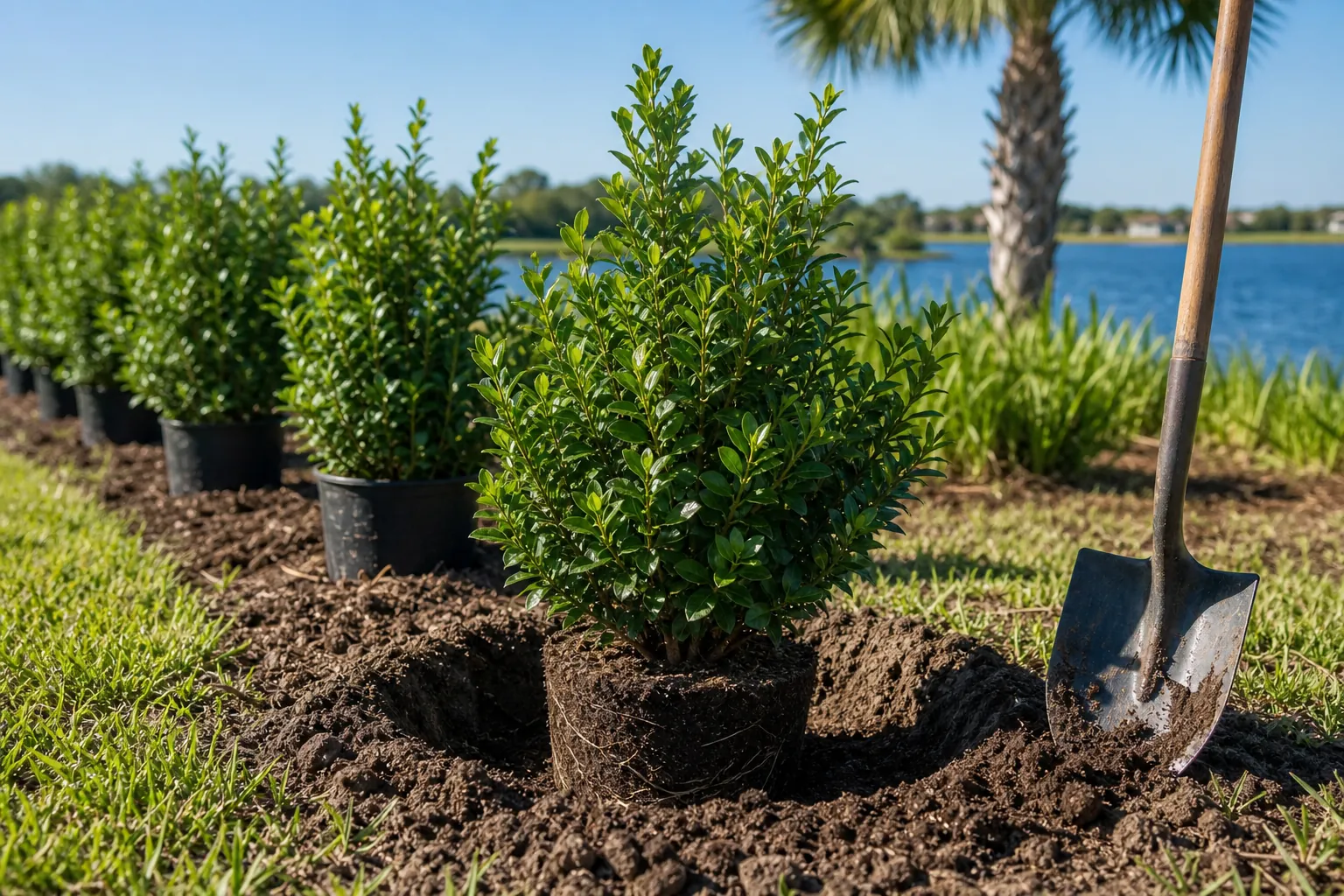
In St. Augustine, the best planting window for privacy shrubs depends on temperature, rainfall, soil drainage, and the needs of the shrub you select. Fall is often a practical choice because cooling weather can reduce heat stress while roots begin establishing. Spring can also work well if you plant before intense summer conditions arrive. The right decision is less about choosing one perfect calendar date and more about avoiding weather extremes, preparing the site, and planning reliable watering during establishment.
Why Fall Is Often a Practical Planting Window
Fall can provide a useful balance for planting privacy shrubs in St. Augustine. After the strongest summer heat begins to ease, newly installed plants may lose less moisture through their leaves. The soil can remain warm enough to support root activity, giving shrubs time to settle into the site before the next hot season.
However, fall planting still requires attention to the forecast. A recently planted shrub has not yet developed roots beyond its original root ball, so it may be more vulnerable to sudden cold, drying wind, or inconsistent watering. Avoid treating cooler weather as a reason to stop checking soil moisture.
Before planting, confirm that the selected shrub is appropriate for the site's light, drainage, available width, and expected mature height. Also consider how much time remains before colder weather becomes possible. If you are planting tropical-looking material nearby, review these tips on protecting young palms from frost in St. Augustine as part of your seasonal planning.
When Spring Planting Makes More Sense
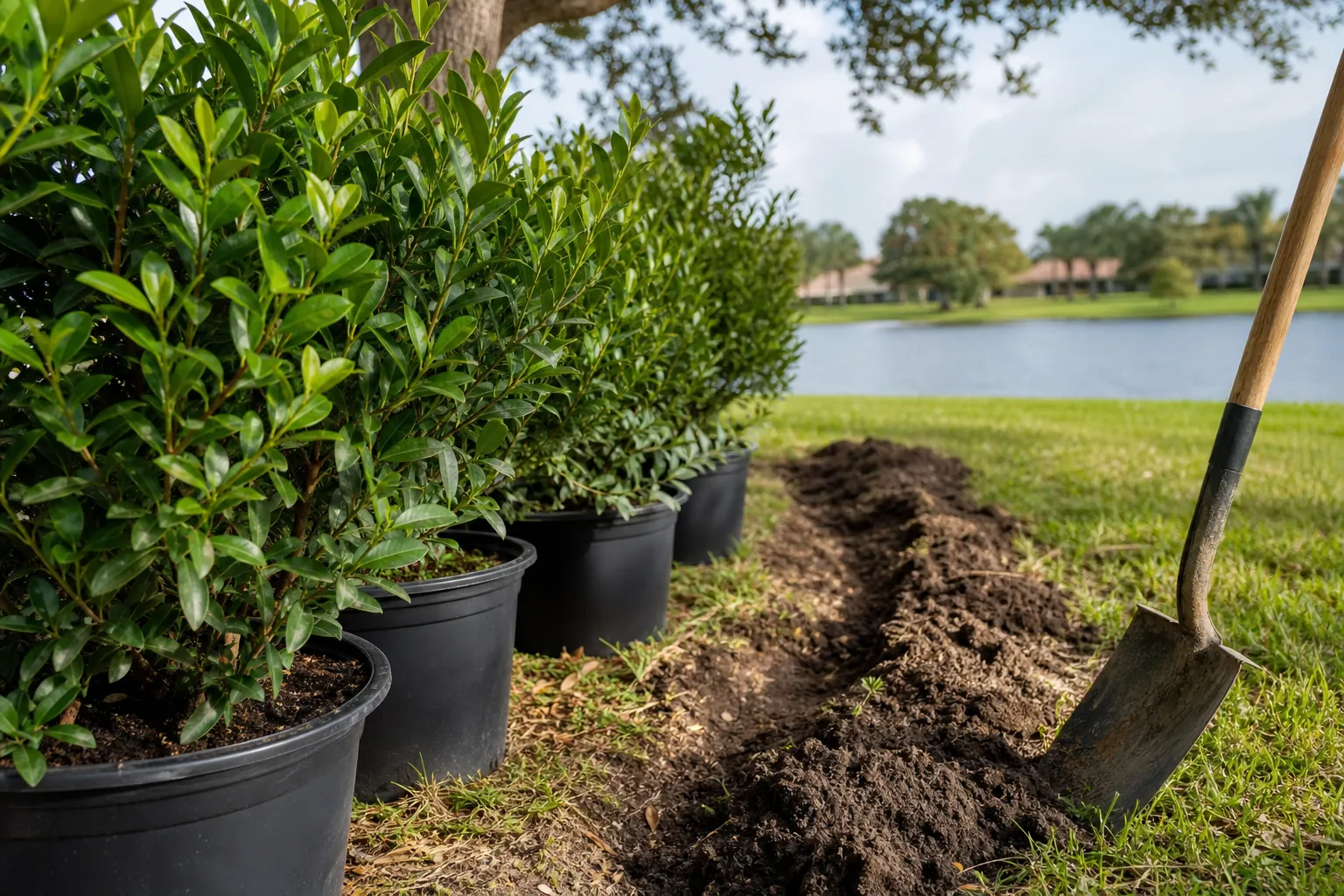
Spring is another sensible time to plant privacy shrubs, especially when the threat of damaging cold has eased but prolonged summer heat has not arrived. This window gives you an opportunity to monitor new growth and adjust watering before the most demanding part of the year.
Timing within spring matters. Planting earlier generally provides more establishment time, while planting late can place a shrub into rising heat before roots have expanded into surrounding soil. Check the forecast for unusually hot, dry, or windy periods. If difficult weather is approaching, waiting for a milder stretch can make early care more manageable.
Spring is also a good time to evaluate whether the proposed screen will fit the space long term. Measure the planting bed, note nearby structures, and check overhead and underground constraints before buying plants. Choose spacing based on the mature dimensions of the specific shrub rather than placing young plants tightly together for immediate coverage. Thoughtful spacing can support airflow, access, and a more sustainable screen as the shrubs grow.
How Summer And Winter Affect Your Decision
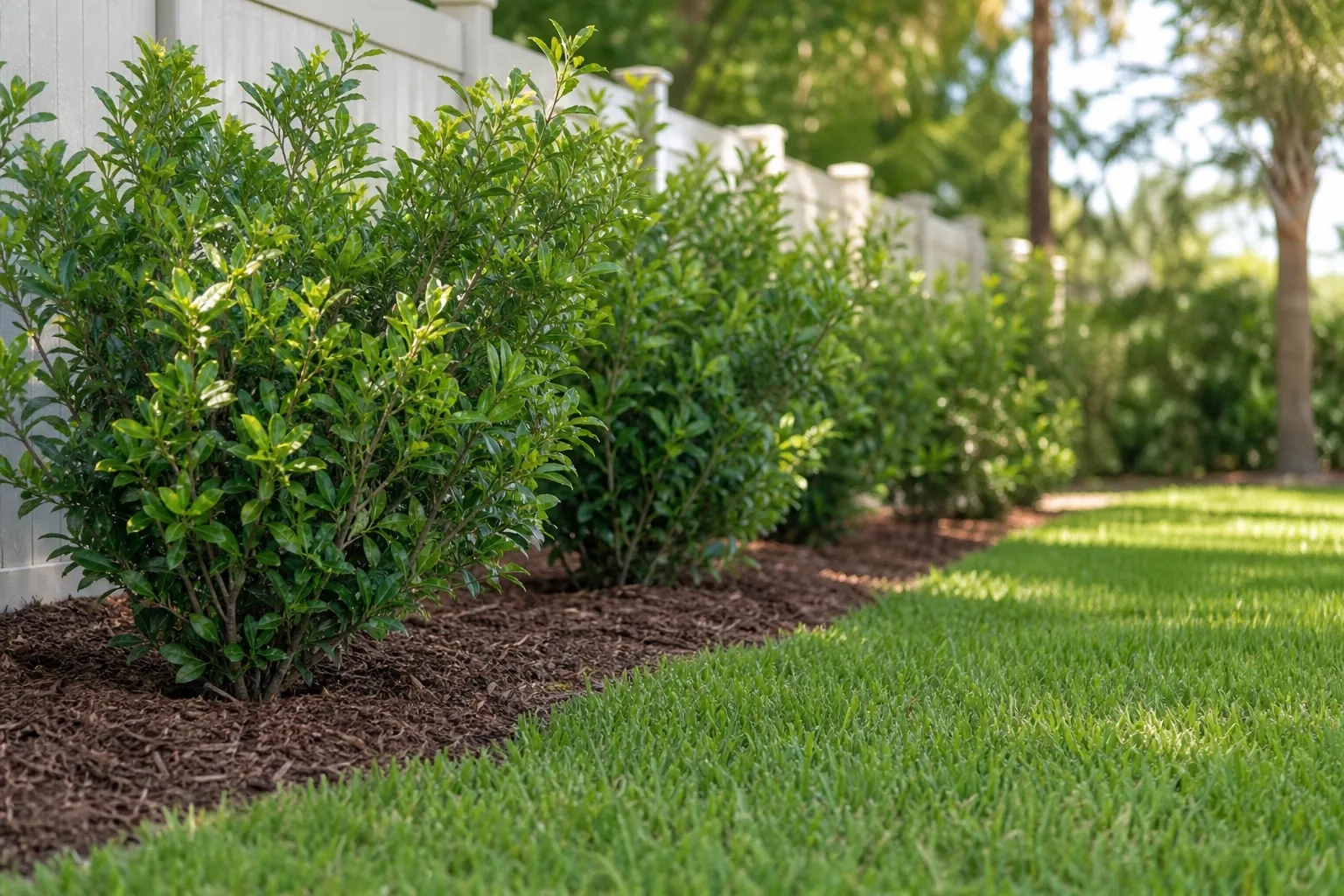
Planting during summer or winter is not automatically impossible, but both seasons can add risk and maintenance. Summer brings heat, strong sun, and rapid moisture loss. A new shrub may need closer observation because its root system initially occupies a limited volume of soil. Rain can help, but rainfall may be irregular, and saturated soil can create a different problem if the site drains poorly.
Winter may offer mild planting days, yet cold fronts can arrive. Newly planted shrubs can be less resilient than established specimens, particularly if the selection is sensitive to cold. Avoid planting immediately before a forecasted cold event. Give yourself time to water, mulch, and prepare appropriate protection if needed.
In either season, use current conditions rather than the calendar alone. Do not plant into waterlogged ground, during extreme heat, or when you cannot provide follow-up care. If you must plant outside the preferred windows, select a stretch of moderate weather and make sure watering responsibility is clearly assigned. Delaying briefly is often better than installing plants just before stressful conditions.
Check The Site Before Choosing A Date
A suitable planting date cannot compensate for a poor site match. Spend time observing the area where the privacy shrubs will grow. Record how many hours of direct sun it receives, where water collects after rain, and whether reflected heat from pavement or walls changes conditions. Check how wind moves through the property and whether salt exposure may be a concern at your particular site.
Use this checklist before setting a planting date:
- Measure the available length, width, and desired screening height.
- Observe sunlight at different times of day.
- Check drainage after rainfall rather than guessing from dry soil.
- Identify irrigation coverage and decide who will monitor moisture.
- Research the selected shrub's mature size and environmental needs.
- Plan enough room for maintenance access and natural growth.
- Review the short-term forecast for heat, heavy rain, wind, or cold.
These checks help separate a realistic planting plan from an impulse purchase. They can also reveal whether the site needs adjustment, the plant choice needs reconsideration, or the project should wait for a more favorable weather period.
Plan Establishment Care Before You Plant
The best planting window only helps if establishment care is ready from day one. Water the root area thoroughly after planting, then monitor the soil instead of following an inflexible schedule. Weather, soil texture, drainage, plant size, and sun exposure all affect how quickly moisture is used. The goal is to keep the root area appropriately moist without leaving it continually saturated.
Apply mulch around the planting area to help moderate soil temperature and moisture. Keep mulch away from direct contact with stems or trunks. Recheck plants after heavy rain, hot weather, strong wind, or a cold front. Look for leaning, exposed roots, prolonged standing water, or signs that the root ball is drying faster than surrounding soil.
Make your final timing decision by working backward from your ability to provide care. If travel, watering limitations, or an approaching weather event will prevent consistent monitoring, postpone planting. A quieter week with moderate conditions and dependable follow-up is usually more useful than forcing the project onto a particular date.
Talk Through Your Planting Timing
If you are deciding when to plant privacy shrubs at your St. Augustine property, call Tropical Yards at 772-267-1611. A calm review of your timing, site conditions, and plant needs can help you make a more informed decision.
Call 772-267-1611 to talk through next steps.