A DIY guide to coquina shell algae removal in Ormond Beach, FL
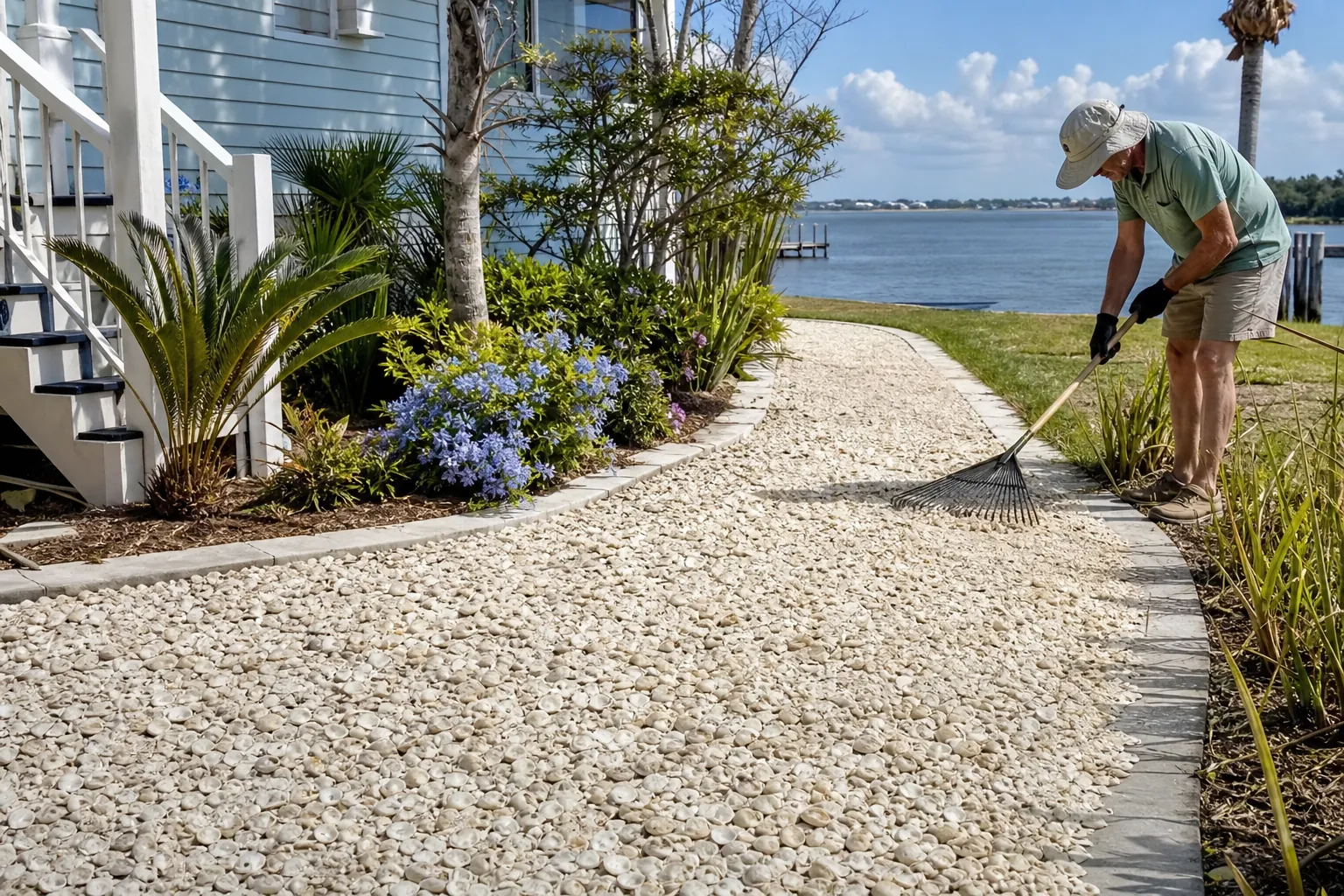
Coquina shell algae removal starts with checking moisture, shade, and surface buildup; for a small area, start with gentle hand cleaning. Test a small patch before treating the whole bed. Keep loose shell and wash water away from drains. Add fresh shell after addressing the cause of the wet surface.
Green shell can make an otherwise neat yard look neglected; yet green color alone doesn't tell you what needs fixing. Look closely before buying a cleaner or another load of shell.
This guide helps Ormond Beach homeowners assess shell beds and plan DIY work; Tropical Yards sells coquina shell and tropical plants, with dump trailer delivery. The team does not clean, install, or maintain shell beds. You handle the work or arrange separate help.
How Do You Start Coquina Shell Algae Removal?
Start by finding where the green coating appears and how wet those spots stay; compare shaded shell with nearby areas that receive more sun. Look for leaves, soil, and sprinkler spray collecting on the surface. Then test gentle cleaning on a small patch before choosing your next step. Review coquina shell choices and dump trailer delivery planning.
Walk the bed when it hasn't just rained or been watered; note spots that still feel wet while nearby shell feels dry. Repeat the check after your next normal watering cycle.
Look at the material beneath the green surface; a thin coating differs from shell packed with soil and leaf bits. The second problem may need sorting or partial replacement rather than surface cleaning.
Don't assume every dark mark is algae; soil stains, old leaves, and other surface growth can look similar. This guide can't identify growth from color alone. If the cause remains unclear, avoid using a chemical based on a guess.
- Check shaded edges and low spots for moisture that lingers after nearby areas dry.
- Look for sprinkler spray that reaches the shell instead of staying within planted areas.
- Inspect the surface for leaves, soil, and loose debris before choosing a cleaning method.
- Mark a small test patch where any color change will be easy to compare.
- Keep children and pets away from the work area while tools and loose shell are out.
Take a few photos before starting; include a close view and a wider view of the bed. These help you compare results without relying on memory.
Choose a dry work period when possible; avoid starting just before rain could spread loose material or wash water. Gather a brush, gloves, a scoop, and containers for removed debris.
Your first goal is a clear assessment, not a perfect finish; a small test can show how much effort the bed needs. It can also prevent needless work across a large area.
What Is A Careful DIY Way To Clean Shell?
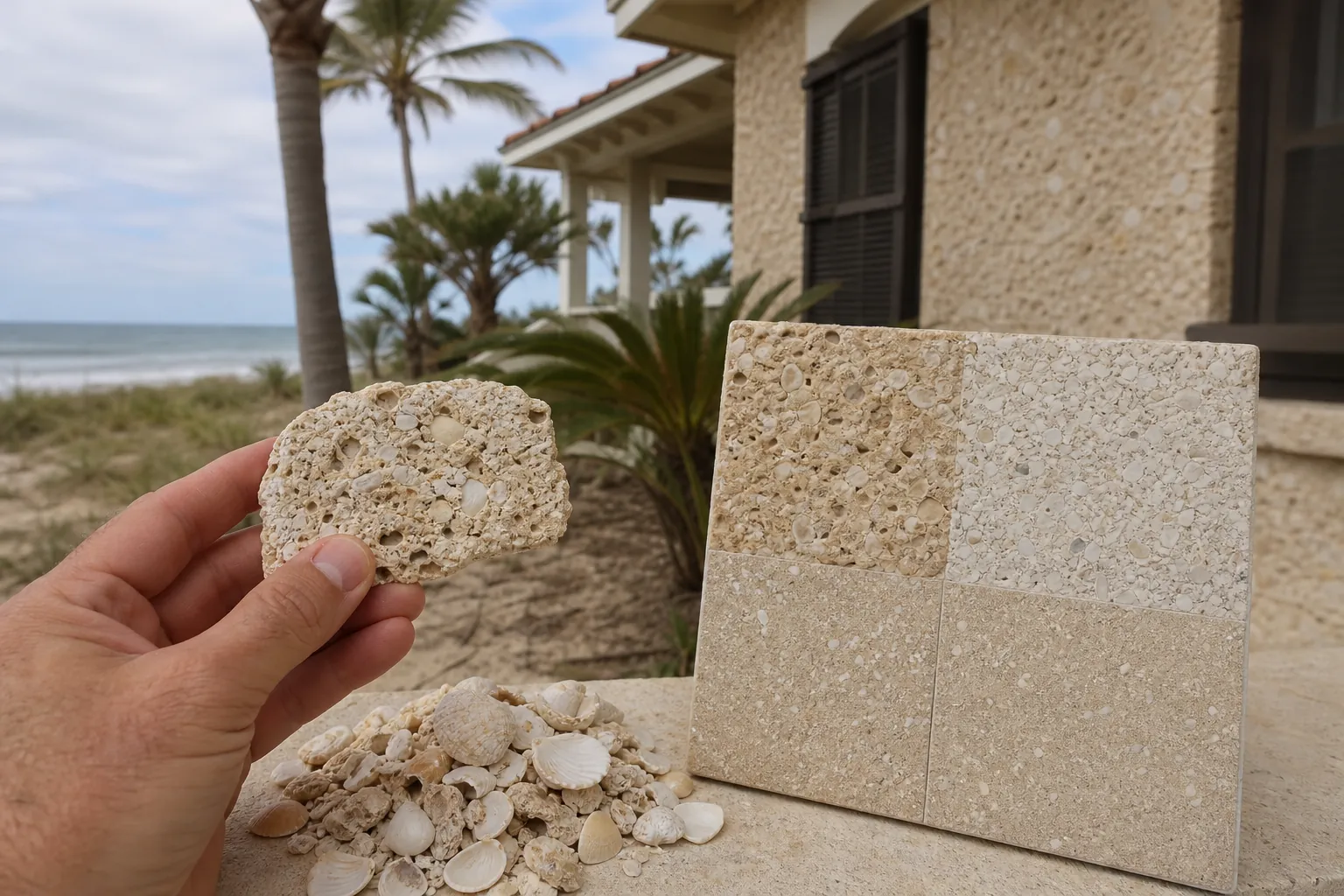
For loose shell, begin by picking out debris and lightly brushing a small area; keep your movements gentle so shell stays within the bed. Use limited water only where you can control it. Stop if the shell shifts, breaks, or sends dirty water toward plants, pavement, or drains. Review coquina shell choices.
Wear work gloves when handling shell and eye protection when brushing; shell pieces can have sharp edges. Use footwear with firm grip, especially around wet surfaces.
Lift out leaves and twigs by hand first; a small scoop can help separate heavily soiled surface material. Work slowly so you don't mix more underlying soil into the shell.
Choose a hand brush you can control easily; test light strokes rather than scrubbing with full force. Check the result after the patch dries, since wet shell may look different.
If you use water, keep the amount small and the flow gentle; don't aim a strong stream into loose shell. It can move pieces and leave the bed uneven.
Keep rinse water out of storm drains and nearby waterways; don't wash loosened material into the street. If you can't contain the water, use a dry method or pause the project.
A pressure washer isn't a sensible first test on loose shell; strong water force can scatter material and expose the layer below. It may turn a small surface task into a much larger repair.
Don't reach for bleach, acid, or a general outdoor cleaner by default; a product meant for another surface may be unsuitable here. Read its label for the intended surface, nearby plants, protective gear, and disposal rules.
Never mix cleaning products; if a label doesn't clearly fit your use, don't improvise. Ask the product maker about loose landscape shell before using it.
Once the patch dries, compare its color and texture with untouched shell; check for broken pieces and bare spots. Continue only if the method leaves the bed in sound condition.
Work in short sections that you can finish and inspect; leave the area tidy between sessions. Store tools and removed material where they won't create a trip hazard.
How Can You Reduce The Conditions Behind Green Buildup?
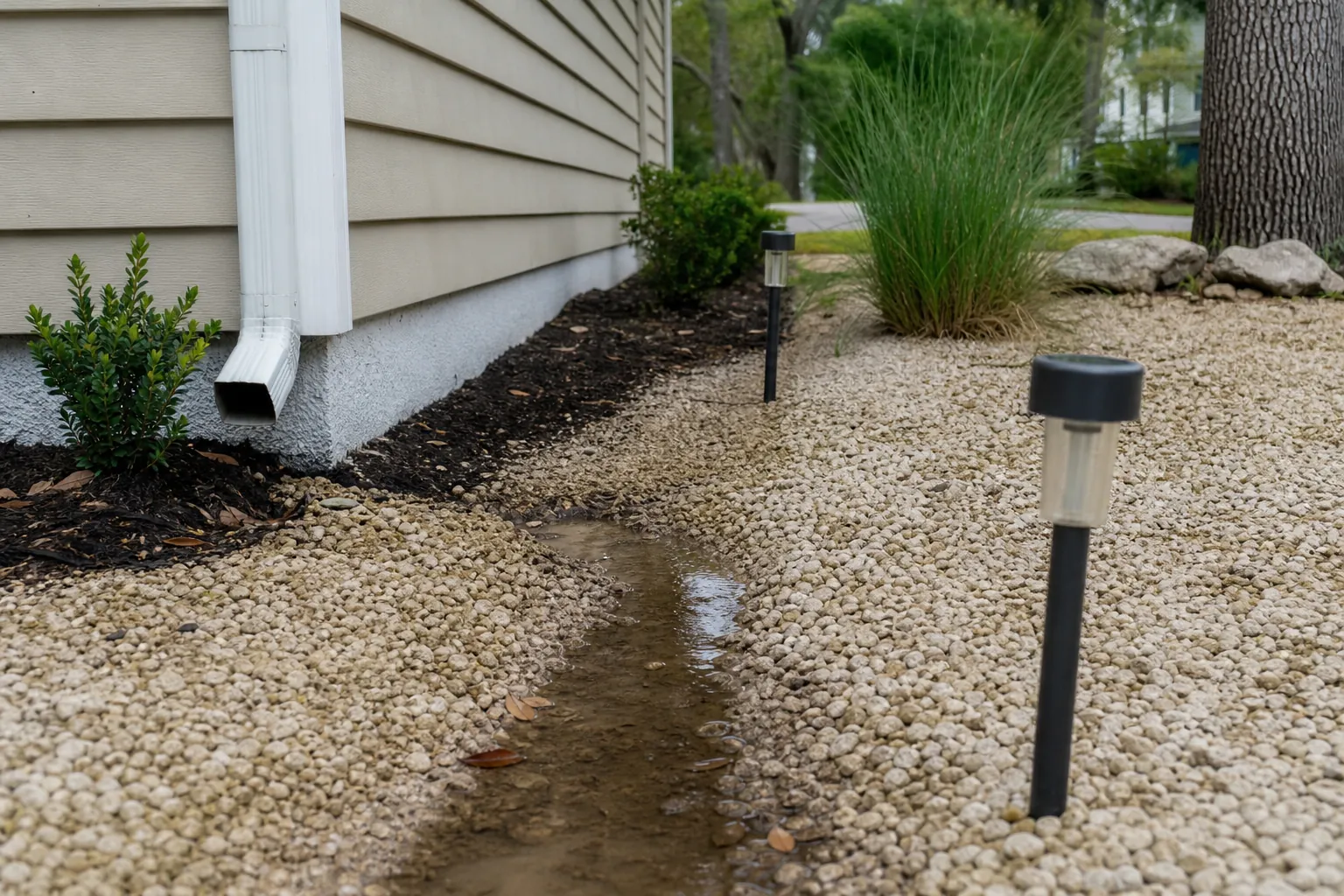
After cleaning, look for the conditions that keep the shell surface damp; check sprinkler aim, trapped leaves, shade, and water collecting in low spots. Address what you can without harming nearby plants or changing drainage carelessly. A fresh top layer won't fix a bed that stays wet underneath. Review coquina shell choices.
Watch one full sprinkler cycle from a dry place; see if water lands on shell for long periods. Adjust spray only within the system's instructions and your plants' watering needs.
Don't cut plant watering simply to keep shell looking dry; palm trees, hibiscus, bougainvillea, and ferns can have different care needs. Base watering choices on the actual plants and growing conditions.
Clear loose leaves from the surface before they collect in layers; pick them out rather than dragging shell into the lawn. Light, regular checks are easier than sorting a deeply mixed bed later.
Notice where rainwater enters and leaves the area; a downspout or nearby hard surface may send water toward the shell. Don't redirect that water onto a neighbor's property or toward your home's foundation.
Standing water deserves a separate look; adding shell can hide a low spot without solving its cause. If drainage needs repair, seek qualified help before covering the area.
Shade may be part of the yard's intended use; you don't need to remove healthy plants to chase a brighter shell color. Instead, decide if a shaded shell bed suits the look you want.
Keep soil from spilling onto shell during planting or repotting; use a tarp or container for loose soil. Clean up those small spills before they become worked into the surface.
A simple record can help you spot patterns; note rain, watering, and where the coating returns. If the same patch changes first each time, focus your checks there.
Set realistic expectations for an outdoor natural material; shell will face weather, falling leaves, and nearby soil. Care can improve its appearance, but the surface may change again over time.
When Should You Clean, Top Up, Or Replace Coquina Shell?
Clean shell when the issue seems limited to a light surface coating; consider a top-up when sound shell remains but coverage has become thin. Partial replacement may suit spots packed with soil or debris. Make that choice after checking the base and correcting any clear water problem. Review coquina shell choices and dump trailer delivery planning.
These options solve different needs; cleaning targets the surface you already have. A top-up adds material, while replacement removes unsuitable material before fresh shell goes in.
| What You Find | DIY Option To Consider | What To Check First |
|---|---|---|
| A light coating on otherwise sound shell. | Test gentle cleaning in a small area. | Check the dry result before working across the bed. |
| Thin coverage with little soil mixed in. | Plan a measured top-up of fresh shell. | Check the finished height against paths and bed edges. |
| A small patch packed with soil and leaves. | Sort or replace that patch. | Find how debris or soil enters the area. |
| Wet low spots across much of the bed. | Pause cosmetic work and assess drainage. | Resolve the water issue before ordering more shell. |
Don't bury a problem simply because fresh shell looks cleaner; deep layers can change the height beside a walkway. They can also cover edges that once held the material in place.
Compare new shell with the old surface before choosing a full refresh; natural color, piece size, and weathering may differ. A fresh patch may stand out rather than blend at once.
Ask about the current material before placing an order; explain if you need a small repair or broader coverage. Clear project details help keep the buying conversation useful.
If you remove old shell, plan where it will go first; keep usable material separate from soil and trash. Check local disposal rules rather than leaving a mixed pile at the curb.
For a larger DIY project, divide the bed into manageable sections; finish one section before opening the next. This keeps paths clear and makes material needs easier to track.
How Much Fresh Shell Should You Order?
Measure the actual area needing fresh shell, then choose the added depth; keep separate notes for a thin top-up and a full replacement. Share those measurements with the supplier before ordering. Account for plant spaces, paths, and existing material so you don't treat the entire yard as one bed. Review coquina shell choices and dump trailer delivery planning.
Measure rectangular areas by length and width; split an irregular bed into smaller shapes you can measure. Add those areas together after subtracting spaces you won't cover.
Depth matters as much as area; a light surface refresh needs a different amount from a deeper rebuild. Don't choose depth from appearance alone when existing shell is already thick.
Keep all measurements in matching units; for cubic feet, multiply area in square feet by depth in feet. Divide depth in inches by twelve before using that calculation.
For example, a top-up and a replacement can share the same area; their volume needs still differ because the added depths differ. Write down both area and depth for each section.
- Measure each section separately so narrow paths and curved edges don't inflate your total.
- Subtract plant spaces and other areas that will remain free of shell.
- Check existing shell depth before deciding how much fresh material to add.
- Share your measurements and project type when asking about coquina shell availability.
- Confirm the supplier's ordering units before converting your notes into a final amount.
Keep shell away from plant stems and exposed root crowns; don't raise the grade around plants just to match the bed. Leave room for routine plant care and access.
Check the height near doors, gates, drains, and walkway edges; fresh shell should fit the space without blocking these features. Recheck those points before spreading your order.
Tropical Yards sells coquina shell for customer-led projects; you can discuss material needs and delivery when calling. Measuring, site preparation, and spreading remain your responsibility or your separately hired help's work.
How Should You Plan Dump Trailer Delivery?
Plan delivery around safe access and a clear place for the load; tell Tropical Yards about gates, tight turns, soft ground, and overhead limits. Confirm unloading details before delivery day. Dump trailer delivery brings the material to your property; it does not include spreading, installation, or yard cleanup. Review coquina shell choices.
Tropical Yards offers dump trailer delivery of plants and coquina shell; its delivery range runs from St. Augustine to Daytona Beach. For your Ormond Beach project, call to discuss the site and order.
Choose a drop spot that keeps the material close to the work; it should still allow safe access and unloading. Don't assume a trailer can reach every part of your yard.
Describe the approach honestly before the truck arrives; mention slopes, narrow driveways, low branches, and parked vehicles. Ask what clearance and ground conditions are needed.
- Confirm the planned drop location and discuss access limits before setting the delivery date.
- Move vehicles and loose items from the agreed route before the trailer arrives.
- Keep children and pets indoors or well away from the unloading area.
- Leave drains, sidewalks, and shared access routes clear of the planned shell pile.
- Have your own tools and help ready if you plan to spread shell afterward.
Ask before placing a tarp beneath the planned load; confirm that it suits the unloading setup and surface. Don't add objects that could interfere with the trailer or unloading.
Plan your work pace before the shell arrives; moving loose material takes time and effort. Keep the pile in an agreed place that won't block daily access.
Tropical Yards also sells tropical plants, including palms, hibiscus, bougainvillea, and ferns; if you're buying plants with shell, discuss both items when ordering. Plant choice and DIY planting should suit your site.
The supplier's role stays clear throughout the project; Tropical Yards sells the material and provides dump trailer delivery. It doesn't design beds, remove plants, clean shell, or perform yard maintenance.
Frequently Asked Questions
Can I Cover Green Shell With Fresh Coquina?
You can add fresh shell where a top-up is appropriate; first check for trapped debris, excess depth, and lingering moisture. Covering a damp, dirty layer may leave the underlying issue in place. Test cleaning or sort the affected patch before deciding how much new material you need.
Should I Use A Pressure Washer On Loose Shell?
Start with a gentler method instead of strong water pressure; loose pieces can scatter, and dirty water can carry material away. Try hand cleaning on a small patch first. If you can't control runoff or keep the shell in place, stop and choose another approach.
Will New Shell Match My Existing Bed?
It may not match at once; new material and weathered shell can differ in color and size. Ask about the current coquina shell before ordering. Decide if you prefer a visible fresh patch or a broader refresh, while keeping the bed's depth and edges in mind.
Does Tropical Yards Provide Algae Removal Or Shell Installation?
No; Tropical Yards supplies coquina shell and tropical plants, with dump trailer delivery. Cleaning, spreading, planting, and site preparation are DIY tasks or work for separate help. Call with buying and delivery questions, and describe your project so the material discussion fits your actual needs.
Ready to plan your shell purchase? Call Tropical Yards at 772-267-1611 to discuss coquina shell sales and dump trailer delivery. Have your measurements and access notes ready for a useful conversation.
UF/IFAS guidance on landscape mulch does not recommend shells as mulch in planted garden beds. Shell does not add nutrients or improve soil water storage. Consider organic mulch around plants and assess shell separately for decorative surfaces or pathways. The UF/IFAS walkway guide discusses material selection and keeping loose surfaces contained.
Call 772-267-1611 to talk through next steps.