Planning for coquina shell drainage in Daytona Beach, FL
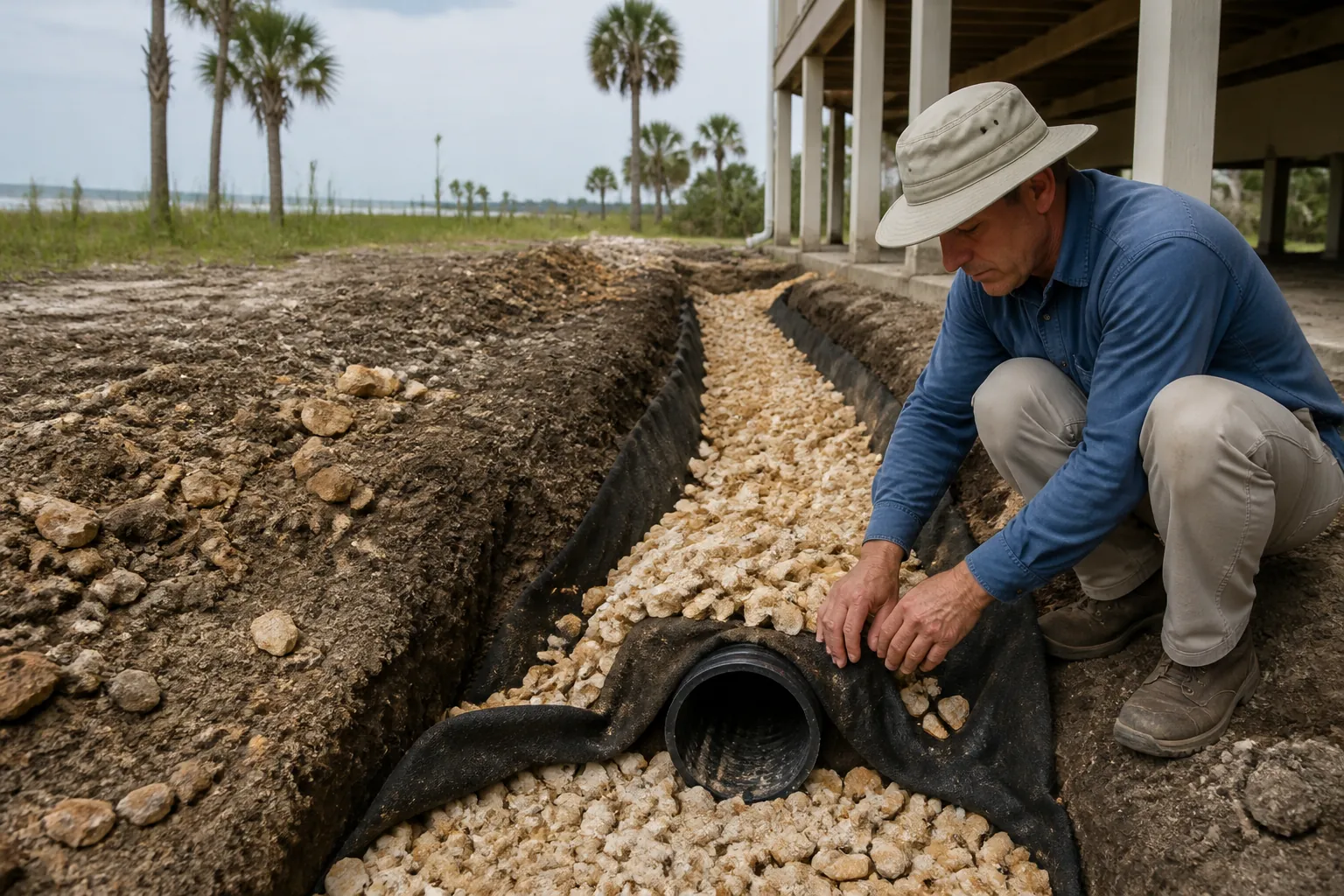
Coquina shell drainage considerations start with the underlying soil conditions. Water still needs a safe discharge route. In Daytona Beach, slopes, roof runoff, and nearby beds affect drainage performance. Assess those conditions before selecting shell depth or ordering material for your yard.
Tropical Yards supplies coquina shell and tropical plants, with dump trailer delivery from St. Augustine to Daytona Beach. This guide covers buyer checks and DIY planning. Shell can serve as a useful ground cover, but it isn't a fix for every wet spot.
What affects coquina shell drainage before you buy?
Coquina shell drainage depends on the entire yard, beyond its surface appearance. Saturated soil can continue holding water beneath the shell layer. Fine particles, compaction, and depressions can restrict water movement through the area. Observe rainfall, then identify where water enters, accumulates, and leaves the site.
Look at the site during rain from a safe spot. Note where roof water lands and where puddles first form. Return later to see which patches remain wet after other areas dry.
A dry top layer can hide damp ground below. Scrape back a small patch of existing cover and check the soil. Avoid digging near buried lines, irrigation pipes, or tree roots.
Use these checks before deciding how much material to buy:
- Mark puddles that remain after nearby ground has dried.
- Check downspouts for concentrated flows that cross the planned shell area.
- Look for bare channels, moved mulch, or soil washed downhill.
- Compare the ground height near doors, paths, beds, and property edges.
- Note soft ground that sinks when you step on it.
These observations help distinguish a surface choice from an underlying drainage problem. A level seating area differs from a slope carrying concentrated roof runoff. Adding shell without assessing that difference may conceal problems rather than resolve them.
Coquina shell products vary in particle size and fine material content. Ask about the available material before confirming your purchase. Larger pieces and smaller fragments create different surface textures. However, appearance alone doesn't establish drainage performance in a completed project.
Tell your supplier how you plan to use the shell. A decorative bed, a footpath, and a runoff crossing have different needs. Keep the purchase tied to that use instead of choosing solely by color or a delivery load size.
Will coquina shell solve standing water?
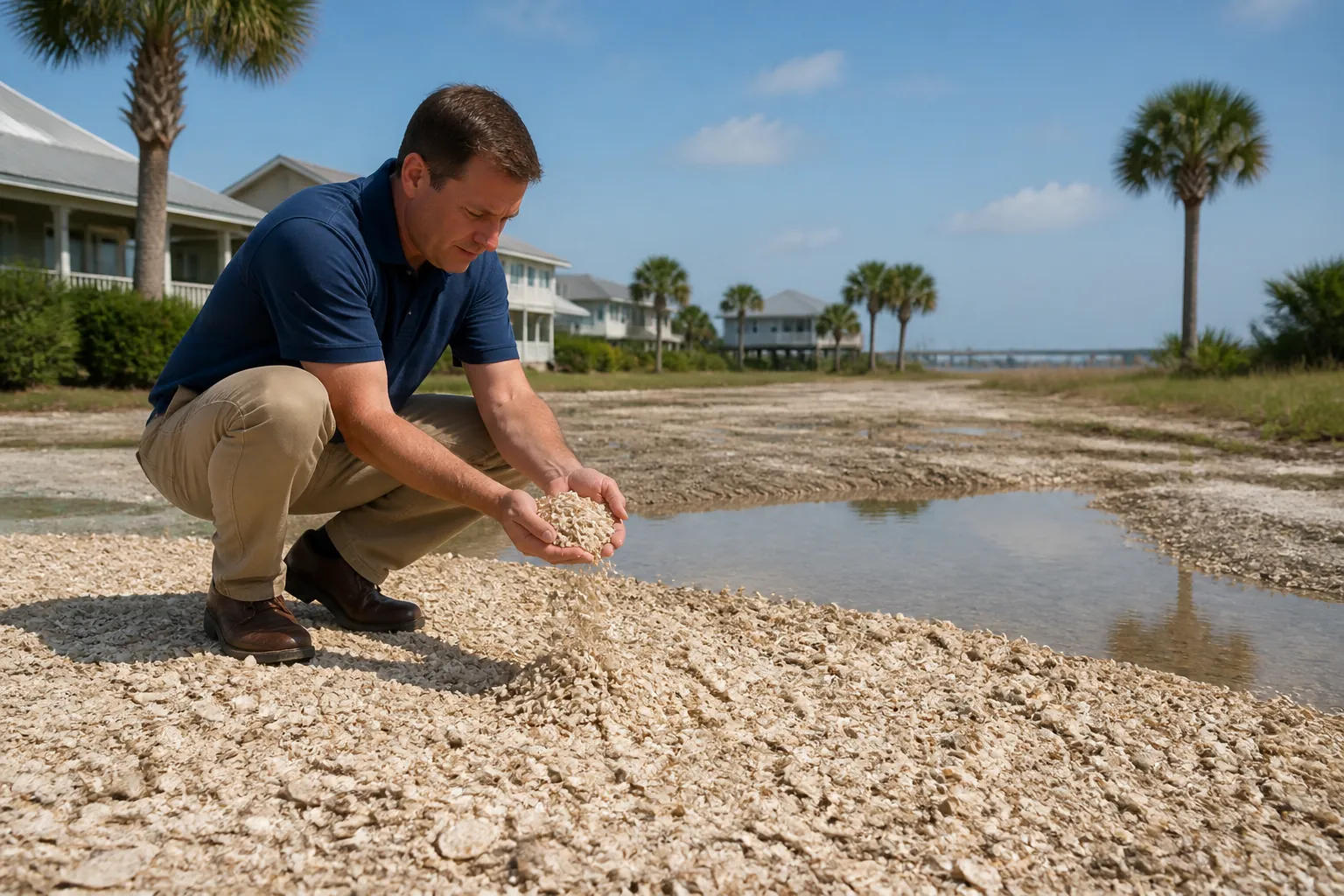
Coquina shell alone won't resolve every cause of persistent standing water. It may cover soil without correcting the underlying drainage conditions. Depressions, compacted soil, and obstructed flow paths still require attention. Identify the cause before covering an area that remains saturated after rainfall. Compare coquina shell delivery planning when planning this step.
Start with simple observations rather than a large shell order. Does water arrive from a roof, a hard surface, or higher ground? Does it pool against edging, or spread across a broad low area?
Those patterns point to different questions. Water caught behind a border may need a clear outlet. A broad wet patch may reflect ground conditions that surface cover can't change.
A small, informal soak check can offer clues about soil conditions. It isn't a drainage design or a substitute for a qualified site assessment. Recent rainfall and seasonal saturation can affect your observations.
Don't assume all Florida ground drains alike. Even one yard can have loose soil beside a heavily packed strip. Past building work, foot traffic, and fill can leave very different conditions close together.
A shell layer can contain open spaces above soil that remains saturated. Once the underlying soil stops absorbing water, surface puddles may persist. Purchasing additional shell doesn't create an outlet or lower the water beneath it.
Persistent water near a home needs extra care. Seek qualified drainage help if water reaches walls, doors, or other structures. Avoid raising the ground against the building while trying to make the surface look dry.
If the cause remains unclear, pause the material purchase for that spot. You can still plan shell for a separate area with known conditions. Keeping those decisions apart helps you avoid buying material for the wrong problem.
How should you plan slopes and runoff paths?
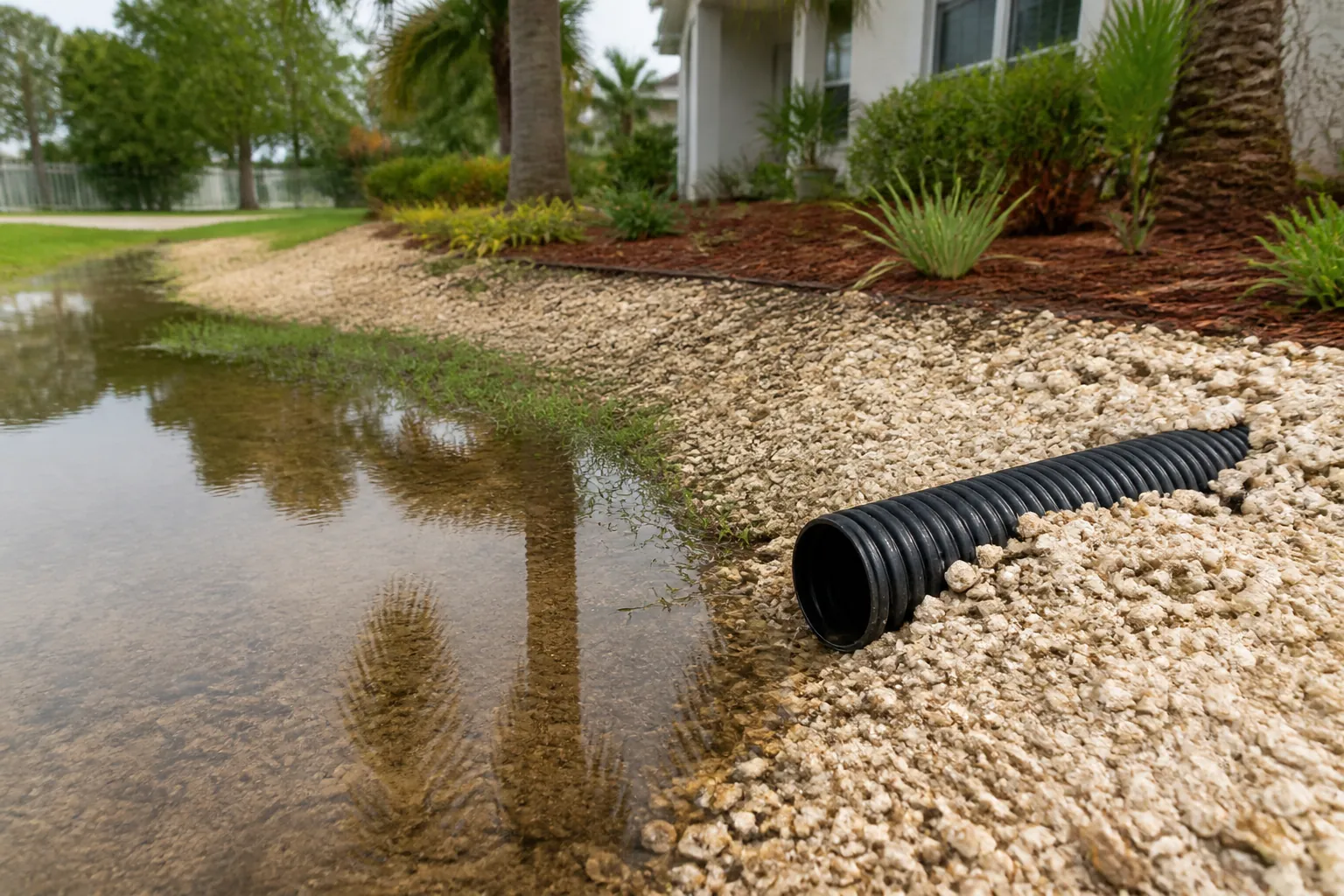
Plan shell around existing water movement without sending runoff toward buildings or neighboring land. A suitable area needs a clear, safe flow path during rain. Loose shell can move where water runs fast. Check slopes, roof outlets, and edges before deciding where the material should begin and end. Compare coquina shell material options when planning this step.
Walk the planned area and trace the likely downhill route. Include the full path beyond your shell bed. A border that looks neat may still trap water if it blocks the only way out.
Pay close attention to narrow gaps between beds and paths. These spots can carry more water than their size suggests. Shell placed there may shift, leaving an uneven surface or collecting farther downhill.
Roof runoff deserves its own check. A downspout can send a strong stream onto one small patch. Don't count on loose shell to stay in place beneath that flow.
Keep these limits in mind while laying out the area:
- Keep loose shell out of street drains and gutter flow paths.
- Leave access to drain covers for checks and needed service.
- Avoid placing shell where runoff already cuts a visible channel.
- Check that borders won't hold water against walls or doors.
- Keep planned changes from directing water onto a neighbor's property.
Don't fill a swale simply because it looks like unused space. That shallow low strip may carry runoff through the site. If you're unsure about its role, seek local guidance before changing it.
Steep or active flow areas may need a different surface or a drainage plan. Tropical Yards sells materials, rather than designing those systems. Settle those needs before ordering shell for a slope with a known washout problem.
After placing shell yourself, inspect it following rain. Look for thin patches, drifted pieces, and new pooling near edges. Those signs can reveal a flow path you missed during dry weather.
How do shell depth and base choices affect drainage?
Select shell depth and base materials for the intended use and existing conditions. Additional shell doesn't necessarily improve drainage performance. Fine particles, soil mixing, and compaction can affect water movement through the layers. Discuss the supplied material, then match your DIY approach to the site's needs. Compare coquina shell material options and coquina shell delivery planning when planning this step.
There isn't one useful depth for every shell project. A light decorative cover differs from a walking surface. Ground firmness, edge height, and the amount of use all affect the choice.
Too little cover may leave bare patches as pieces settle or move. Excess depth can bury edges, crowd plants, or raise the finished level too far. Plan the final surface height before calculating the order.
Check nearby doors, wall finishes, and visible foundation details. Don't cover weep holes, vents, or other building clearances. If the safe finished height is unclear, get advice before adding material beside the home.
Landscape fabric needs a defined purpose within your project. Depending on the product and application, it may separate soil from shell. It doesn't establish drainage through underlying soil that remains saturated.
Read the fabric maker's directions if you choose to use it. Some products have different uses and water flow traits. Collected soil and debris can affect how a covered surface behaves over time.
Avoid treating additional base material as a solution for saturated ground. A base changes the layered structure and finished surface elevation. Its suitability depends on underlying conditions, beyond the shell placed above it.
For a larger project, test a small patch before covering the whole area. Watch how it feels underfoot and behaves after rain. Keep in mind that a short trial won't show every seasonal condition.
When ordering, ask how the supplier measures the material. Confirm the quantity unit and discuss your intended coverage. Use the agreed depth to estimate volume, rather than assuming one load suits every yard.
How can you use shell near tropical plants?
Keep shell clear of plant stems and choose plants for the soil, light, and moisture already present. A shell surface doesn't make a wet bed suitable for every tropical plant. Plan watering separately, preserve access to the root area, and watch how runoff moves through each bed. Compare coquina shell material options when planning this step.
Tropical Yards sells palm trees, flowering plants, privacy plants, and other tropical plants. These groups don't share one set of needs. Ask about the specific plant you're buying, including its space, light, and watering needs.
Shell near a plant should remain a surface cover. Don't pile it against trunks, crowns, or soft stems. Leave room to check the soil and see where the plant meets the ground.
When planting yourself, keep the root flare or crown at the proper level. Don't use added shell to hide a plant set too deep. Follow planting guidance suited to that particular plant.
Check moisture below the cover instead of judging by shell color. The top may look dry while the root area stays damp. Adjust your care based on the soil and plant, rather than a fixed guess.
Shell is calcium-rich material and may affect surrounding soil chemistry. Consider that when selecting plants with particular soil requirements. A soil test can inform plant selection where soil pH raises concerns. See UF/IFAS soil pH guidance for the soil-testing context.
Keep irrigation heads and drip lines easy to find. Avoid burying parts that need checks or adjustment. After adding shell, confirm that water reaches the soil near roots rather than running away across the surface.
Leaves and other debris can collect between shell pieces over time. Think about how you'll care for that surface yourself before buying. Areas beneath dense foliage may need a different plan from an open bed.
Finally, allow sufficient space for future plant growth. A small nursery plant may eventually spread beyond its original container. Position shell borders according to the plant's mature size rather than its purchase size.
What should you check before dump trailer delivery?
Confirm your material quantity, drop location, and access before scheduling dump trailer delivery. Tropical Yards delivers plants and coquina shell from St. Augustine to Daytona Beach. The drop area must suit the load and trailer access. Discuss site limits in advance, especially soft ground, narrow entries, and overhead obstacles.
Measure the shell area in feet and sketch its shape. Break odd shapes into smaller rectangles or triangles. Subtract spaces that won't receive shell, such as plant openings, steps, and drain access points.
Once you've selected a depth, calculate the required material volume. Surface measurements alone don't establish the necessary quantity. Confirm your calculation with the supplier, using the unit specified for material sales.
Choose a drop point that reduces your own moving distance. Still, convenience can't come before safe access or ground conditions. The driver needs room to reach the location and raise the trailer safely.
Review these details before delivery day:
- Measure gate openings and share any tight turns before scheduling delivery.
- Identify overhead wires, tree limbs, and other limits near the drop spot.
- Keep the unloading area clear of cars, tools, pets, and people.
- Tell the supplier about soft ground, slopes, and recent heavy rain.
- Choose a pile location that won't block drains or safe access.
Ask which access details the supplier requires for a site review. Don't assume a trailer can cross lawns or access every driveway. Ground stability, maneuvering space, and overhead clearance all affect delivery access.
Keep the temporary shell pile away from runoff routes. Rain can move smaller pieces or fine material before you spread it. Plan enough room to work without pushing material into the street.
Delivery means the material arrives at an agreed, suitable location. It doesn't include spreading shell, changing grades, planting, or yard cleanup. Arrange your own tools, time, and help for those tasks before the load arrives.
Frequently asked questions
Can I spread coquina shell over a wet patch?
First, find out why the patch stays wet. Shell may cover the surface without changing the cause. Check runoff, low spots, and soil conditions before buying. If water threatens a building or remains a recurring problem, seek qualified drainage advice before adding material to that area.
Does every coquina shell load drain the same way?
No. Shell size, fine content, depth, and the ground beneath it can affect the result. Ask about the current material before ordering. A sample or photo can help show texture, though it can't prove how your finished yard will handle rainfall.
Should I put landscape fabric beneath coquina shell?
That depends on your goal, soil, and chosen fabric. Fabric may help keep shell separate from soil, but it won't fix trapped water. Read the product directions and consider future access to plants or irrigation. Avoid choosing fabric based on weed control claims alone.
Can shell wash into a drain during heavy rain?
Loose pieces and fine material can move where runoff is strong. Keep shell away from active channels, gutter paths, and drain openings. Watch the area after rain for signs of movement. If material keeps shifting, review the flow problem rather than adding more shell.
Does Tropical Yards spread shell after delivery?
No. Tropical Yards provides coquina shell sales, tropical plant sales, and dump trailer delivery. Customers handle their own spreading, planting, and other yard work. Discuss the delivery location before ordering, and have your DIY plan ready so the material can be moved after unloading.
For coquina shell sales, plant choices, and dump trailer delivery questions, call Tropical Yards at 772-267-1611. Share your Daytona Beach project size, intended use, and access details to discuss your order.
Sources And Further Reading
Call 772-267-1611 to talk through next steps.