Is coquina shell right for drainage in Palm Coast, FL
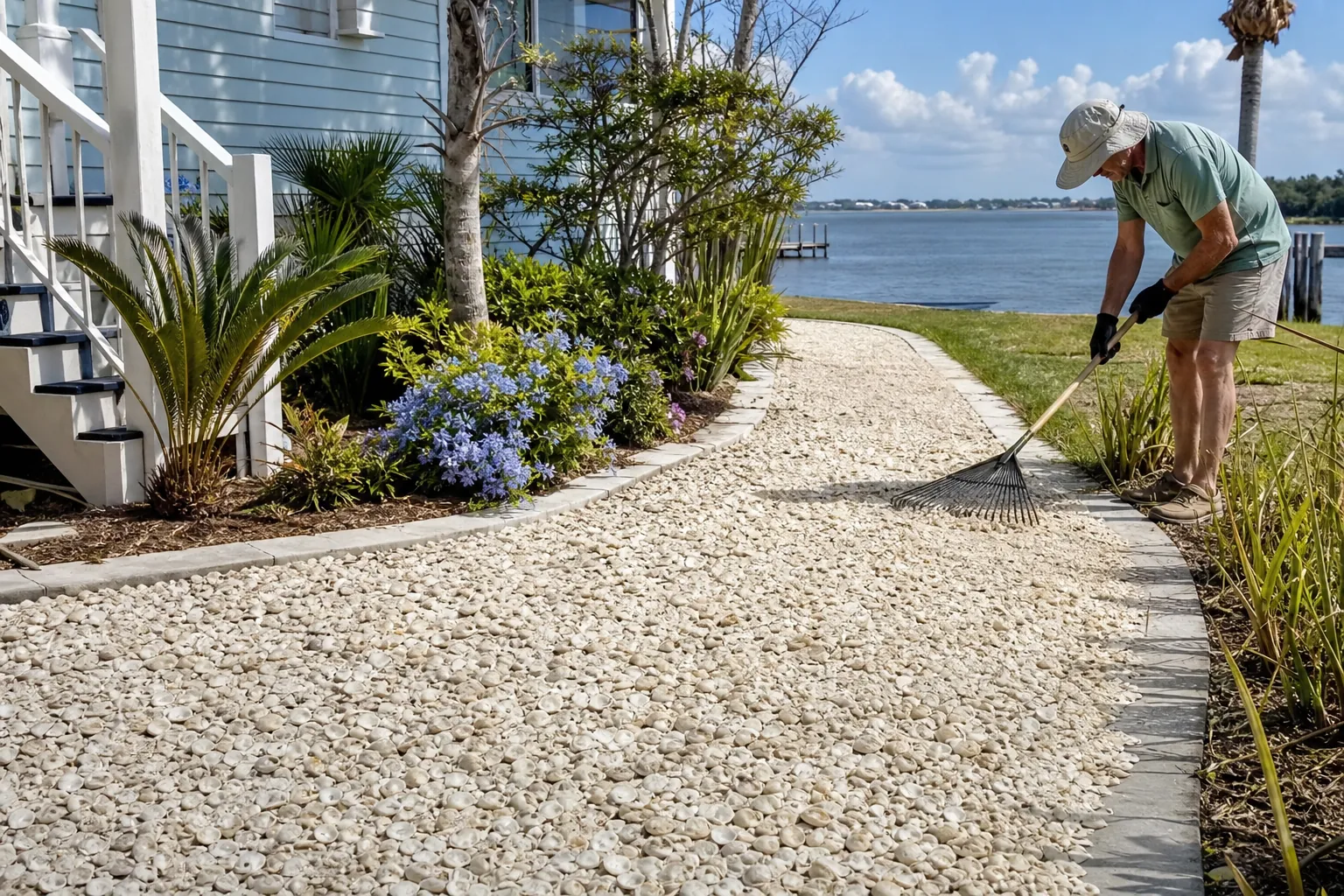
Coquina shell drainage suitability depends on the whole site, not the shell alone; shell may suit a well-drained path or ground cover area. It won't fix low ground, dense soil, or trapped runoff; in Palm Coast, check soil, slope, and water flow before choosing shell for a DIY project.
Tropical Yards sells coquina shell and tropical plants; dump trailer delivery is available from St. Augustine to Daytona Beach, including Palm Coast. The business supplies materials, not landscape labor; buyers handle their own site plans, ground prep, shell placement, and ongoing care.
Planning Coquina Shell Drainage Suitability
Coquina shell can work as surface cover where water already drains well; its value depends on shell size, fine particles, layer depth, and the soil below. A loose surface may admit water, yet water can still collect underneath; treat shell as a material choice, not a complete drainage fix. Review dump trailer delivery planning.
The word drainage can describe several different goals; you may want less mud on a path. You may need rain to soak into soil. Or you may need water to leave a low spot; these goals call for different site checks.
Shell may help keep bare soil covered in a suitable area; that doesn't mean it will dry the ground below. If rain sits beneath the shell, the surface can shift; foot traffic may push pieces into wet soil.
Don't judge drainage by the top layer alone; water needs space to move through the material below. It also needs somewhere safe to go; a free-draining cover over slow-draining soil can still leave a wet area.
Inspect your Palm Coast yard after rain before buying material; look for puddles, soft ground, and water near doors. Note how long these signs remain; check nearby areas too, since runoff may enter from outside your planned shell bed.
A dry-looking shell sample cannot show how your yard will drain; the sample tells you about the material itself. Your soil, grade, and rain exposure complete the picture; make those checks before deciding how much shell to order.
What should you check before ordering shell?
Start with the soil, surface slope, and likely water entry points; watch the area during rain when it's safe. Then inspect it again as the yard dries. These checks help separate a surface-cover need from a deeper drainage problem; resolve that difference before setting your order size. Review coquina shell choices and dump trailer delivery planning.
Mark the proposed shell area's edges with temporary flags; include paths, bed borders, and nearby hard surfaces. Measure its length and width; for curved spaces, split the area into simple shapes and add their areas.
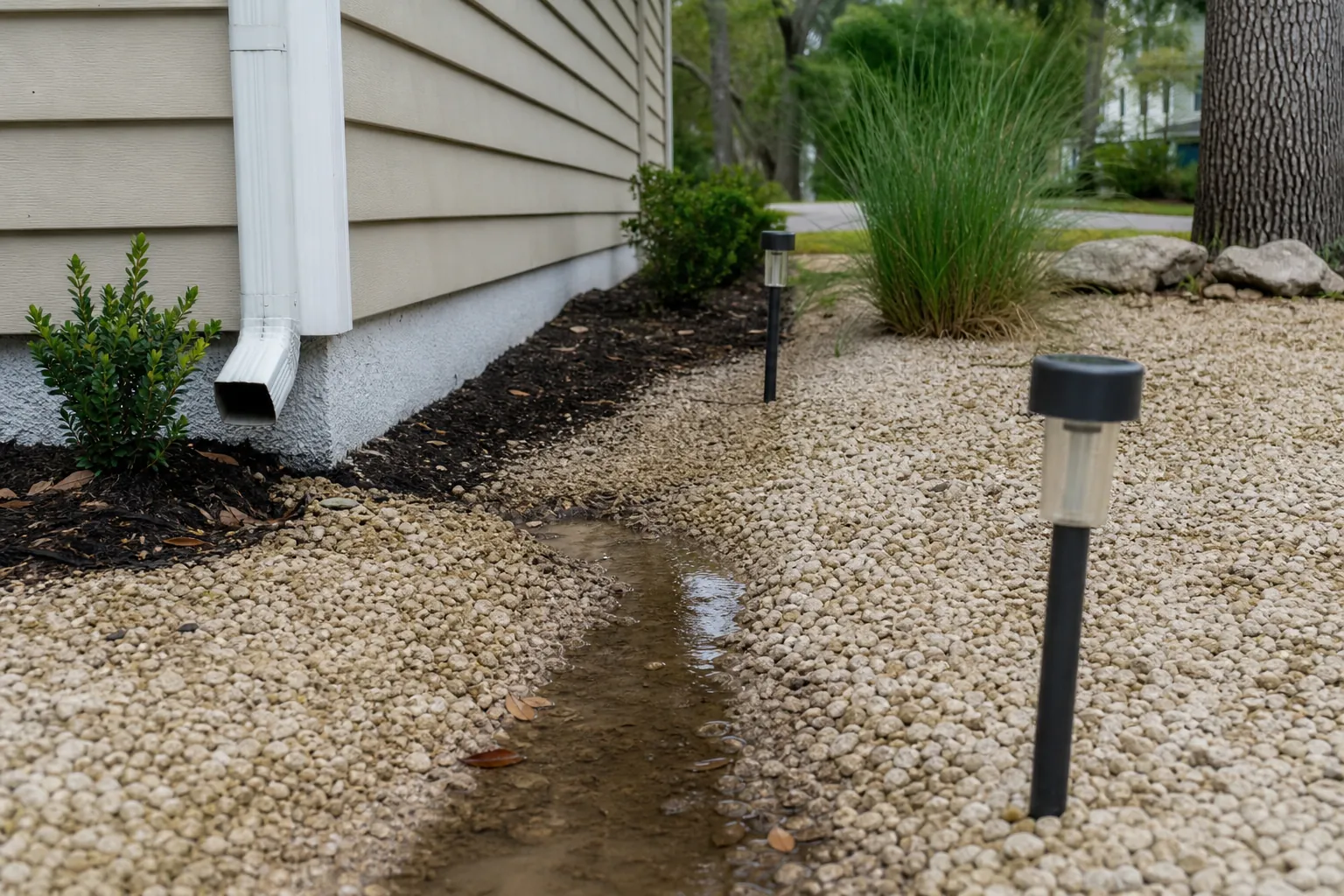
Next, note where water comes from; roof runoff, paved areas, and higher ground can feed one spot. Shell won't reduce the amount of water arriving; a change to those water sources may matter more than the cover.
- Walk the planned area after rain and mark each spot where water collects.
- Check downspout outlets and note where roof water reaches the ground.
- Look for worn soil channels that show the path of moving water.
- Compare the proposed shell level with nearby doors, walls, and drains.
- Check buried utility locations before digging, edging, or placing stakes in soil.
A small test hole may show wet soil below a dry surface; but one hole can't define drainage across the whole yard. Avoid digging near utilities or known buried lines; use the proper utility locating process before ground work.
Take photos from the same spots during wet and dry periods; this gives you a useful record for planning. If water threatens a building, seek qualified help before covering the area; keep the drainage issue separate from the shell purchase.
How do shell size, fines, and depth affect water?
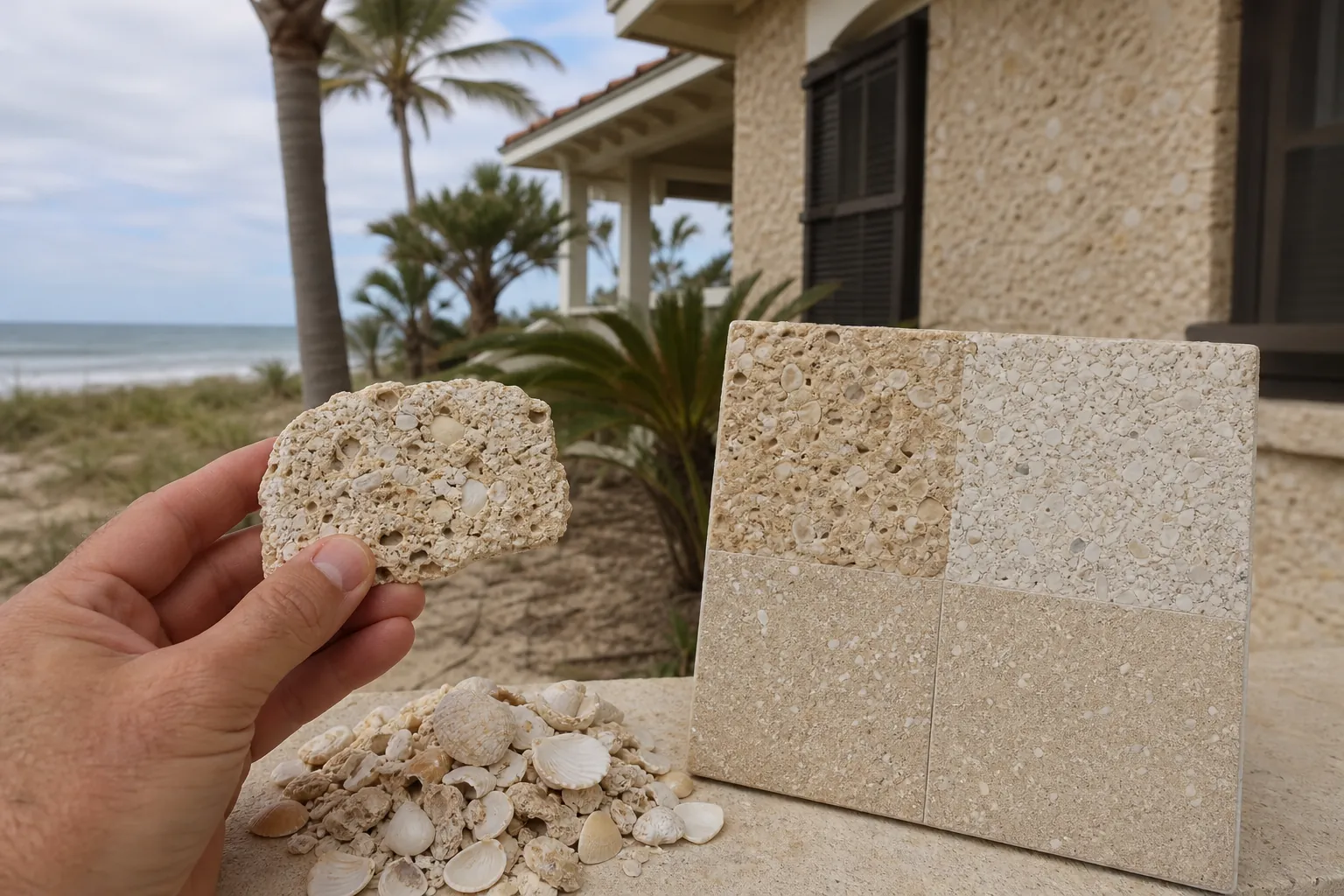
Coquina shell isn't a single, uniform product; loads can differ in piece size and the amount of fines. Those smaller particles can fill gaps between larger pieces. Depth and packing change those gaps too; ask about the current material rather than assuming all shell will drain the same way. Review dump trailer delivery planning.
Fines are the smaller particles mixed with larger shell pieces; some fines can settle into open spaces after rain or use. Soil carried by runoff can fill those spaces as well; a surface that starts loose may become more packed over time.
Don't assume larger pieces make every use easier; they may leave more open spaces, but feel uneven underfoot. Smaller pieces may give a different walking surface; choose with both water movement and daily use in mind.
Ask Tropical Yards about the shell currently offered for sale; discuss piece size, fines, and the intended use. If possible, view a sample before placing a large order; a sample helps you assess texture, though loads can vary.
Layer depth also affects the finished surface level; extra shell raises the area and adds weight. It doesn't make a poor drainage route work; avoid adding layers simply because the ground remains wet.
Calculate volume only after choosing the area and intended depth; keep all measurements in matching units when doing the math. Tell the supplier how you reached your estimate; don't treat a rough volume estimate as a site-specific depth recommendation.
Review any settling after the first wet period; low spots may need a closer soil check, not more shell. If the surface moves or stays soft, pause further additions; find the cause before spending money on another load.
Where does shell make sense, and where should you pause?
Shell is worth considering for suitable paths and ground cover areas; pause when the site stays wet, receives strong runoff, or lacks an outlet. The best choice fits the ground and its use; a shell layer should not hide a water problem that still needs careful assessment. Review coquina shell choices.
A lightly used garden path may be a reasonable shell project; first check how firm the base feels after rain. Think about shoes, wheels, and access needs; loose shell may not suit every user or every kind of traffic.
A border beside a planting bed needs a different review; rain may carry shell pieces or fines into the bed. Roots and stems may sit close to the edge; keep the proposed cover clear of plant crowns and trunk flares.
For an area beside a house, compare planned levels carefully; added material can reduce clearance below wall features. It can also cover drainage openings or hide trouble spots; don't pile shell against siding or block weep holes.
These warning signs call for a pause before ordering:
- Water gathers beside the house or reaches a doorway after rain.
- The planned area stays soft while nearby ground has become firm.
- A downspout sends a strong flow across the proposed shell surface.
- The area lacks a clear, lawful route for water to leave.
- Shell placement would cover drains, wall openings, or required ground clearances.
Don't direct runoff onto a neighbor's lot or a public walkway; check local rules before changing drainage or working near a swale. Shared drainage areas may have limits on fill and grading; a shell order doesn't replace that review.
Some sites need advice from a qualified drainage professional; this is especially true near buildings or persistent standing water. Tropical Yards supplies shell, but doesn't design drainage systems; get the site question settled before choosing the surface material.
Should you use fabric or a base beneath shell?
Fabric and base materials need to match the purpose of the project; fabric may help separate soil from shell in some uses. It doesn't create an outlet or make dense soil drain freely. A base also needs sound planning; avoid copying a layer recipe without checking your own site. Review coquina shell choices and dump trailer delivery planning.
Products sold as landscape fabric can differ in water flow and strength; read the product's stated use before buying it. Some materials may clog as soil and fines collect; others may tear under sharp pieces or heavy traffic.
Don't place solid plastic beneath shell meant to admit rain; a solid layer can hold water above it. It may also shift where runoff goes; that can turn a small wet patch into a wider problem.
A fabric layer is not a complete weed control plan; seeds can land in debris on top of shell. Over time, that debris can support weed growth; buyers should expect to care for the surface themselves.
Base needs depend on soil and the planned traffic; a footpath and a vehicle area are different projects. Don't assume shell suited to a garden path can support cars; seek suitable site guidance before choosing layers for vehicle use.
Edging deserves attention too; a solid raised border may hold water inside the area. Gaps may let shell move outside it; plan edges around both water flow and material control.
For a DIY trial, start with a small, suitable area; watch how it behaves after rain and normal use. Keep the test away from building drainage trouble; use what you learn to refine the plan before covering more ground.
How can shell fit around tropical plants?
Shell near plants requires checks for root health, moisture, and soil needs; don't assume every tropical plant suits a shell-covered bed. Shell is largely calcium carbonate and may affect soil pH over time; soil testing and plant-specific guidance are safer than choosing cover based on looks alone. Review coquina shell choices and dump trailer delivery planning.
Tropical Yards sells palm trees, hibiscus, bougainvillea, ferns, and other tropical plants; each plant still needs a suitable growing site. Sun, moisture, soil, and space all matter; a shared tropical look doesn't mean shared care needs.
Water below shell may be hard to judge by sight; check the soil near the root zone before watering. A dry surface can cover damp ground; a bright shell layer also shouldn't replace regular checks for plant stress.
Keep shell away from the base of stems and trunks; avoid burying the root flare or plant crown. Added cover changes the ground level around a plant; that matters even when the plant was already growing well.
If you're planting yourself, settle the planting plan before spreading shell; follow care guidance for the actual plant you bought. Account for its mature size and watering needs; leave enough room to reach the soil for future checks.
Don't use shell to fill a wet planting hole; the water issue may extend beyond that hole. Mixing materials without a plan can change how water moves locally; choose plants for the site or seek help assessing the wet area.
Ask about plant options separately from your shell order; describe the light and soil conditions you have observed. Tropical Yards provides plant sales and delivery, not planting or care services; buyers arrange their own planting and ongoing plant care.
How should you plan a dump trailer delivery?
Plan delivery after confirming the shell area, amount, and drop location; Tropical Yards offers dump trailer delivery of plants and coquina shell. Service runs from St. Augustine to Daytona Beach, including Palm Coast. Confirm access and unloading details before ordering; delivery does not include spreading, planting, or site prep.
A dump trailer needs suitable access and a safe unloading spot; discuss driveway width, turns, slopes, and overhead clearance with the supplier. Don't assume the trailer can reach the final project area; the drop point may need to be elsewhere.
Soft ground can create problems for a loaded vehicle; tell the supplier about recent rain and wet access areas. Mention septic components, buried systems, and surfaces that need protection; the delivery plan should account for these limits before arrival.
- Measure the project area and decide on depth before requesting an order quantity.
- Describe the access route, including tight turns and low overhead branches.
- Choose a drop location away from drains and active water flow paths.
- Confirm who will move and spread the shell after the delivery.
- Keep children, pets, and parked vehicles clear of the unloading area.
Plan how you'll move shell from the pile to the project; allow space for tools and safe walking routes. Shell pieces may have sharp edges, so use suitable gloves and footwear; avoid leaving loose material across shared access paths.
If you order plants too, confirm handling details in advance; arrange shade or prompt planting as each plant requires. Keep plants clear of the shell unloading area; don't assume plant placement or planting comes with the delivery.
Check the delivery details again close to the scheduled day; rain can change access conditions quickly. A clear drop plan helps protect the site and keeps expectations simple; the supplier delivers materials; you manage their use after unloading.
Frequently asked questions
Will coquina shell stop puddles in my yard?
Shell alone won't fix puddles caused by poor soil or low ground; it may cover mud while water remains underneath. Watch the area after rain and identify where water enters; resolve the drainage cause before adding shell to a problem spot.
Can I put coquina shell directly on soil?
That depends on the soil, traffic, and purpose of the area; soft soil may let shell sink or mix into the ground. Check the base first and consider a small trial; don't assume direct placement will improve drainage.
Does a thicker shell layer drain better?
More depth isn't a reliable fix for slow drainage; a thicker layer raises the surface but leaves the underlying soil unchanged. It may also affect nearby edges and clearances; choose depth for the intended use after checking site conditions.
Can shell replace a drain or drainage trench?
No; surface shell and a drainage system serve different roles. A working drain needs suitable collection, flow, and discharge points. Shell cover doesn't provide those parts by itself; seek qualified guidance when your yard needs a drainage system.
Does Tropical Yards spread shell after delivery?
No; Tropical Yards sells coquina shell and tropical plants, with dump trailer delivery. Buyers arrange ground prep, spreading, planting, and care themselves. Confirm the load, access route, and drop spot when ordering; keep any drainage work separate from material supply.
Ready to discuss coquina shell for your Palm Coast project? Call Tropical Yards at 772-267-1611. Ask about current shell, plant choices, and dump trailer delivery. Bring your measurements and access details to help plan the order.
UF/IFAS guidance on landscape mulch does not recommend shells as mulch in planted garden beds. Shell does not add nutrients or improve soil water storage. Consider organic mulch around plants and assess shell separately for decorative surfaces or pathways. The UF/IFAS walkway guide discusses material selection and keeping loose surfaces contained.
UF/IFAS guidance on liming materials explains that calcium carbonate can increase soil pH. Use a soil pH test and plant-specific guidance before making soil changes; shell cover should not be used as an unmeasured soil amendment.
Call 772-267-1611 to talk through next steps.