Choosing coquina shell near exposed tree roots in Flagler Beach, FL
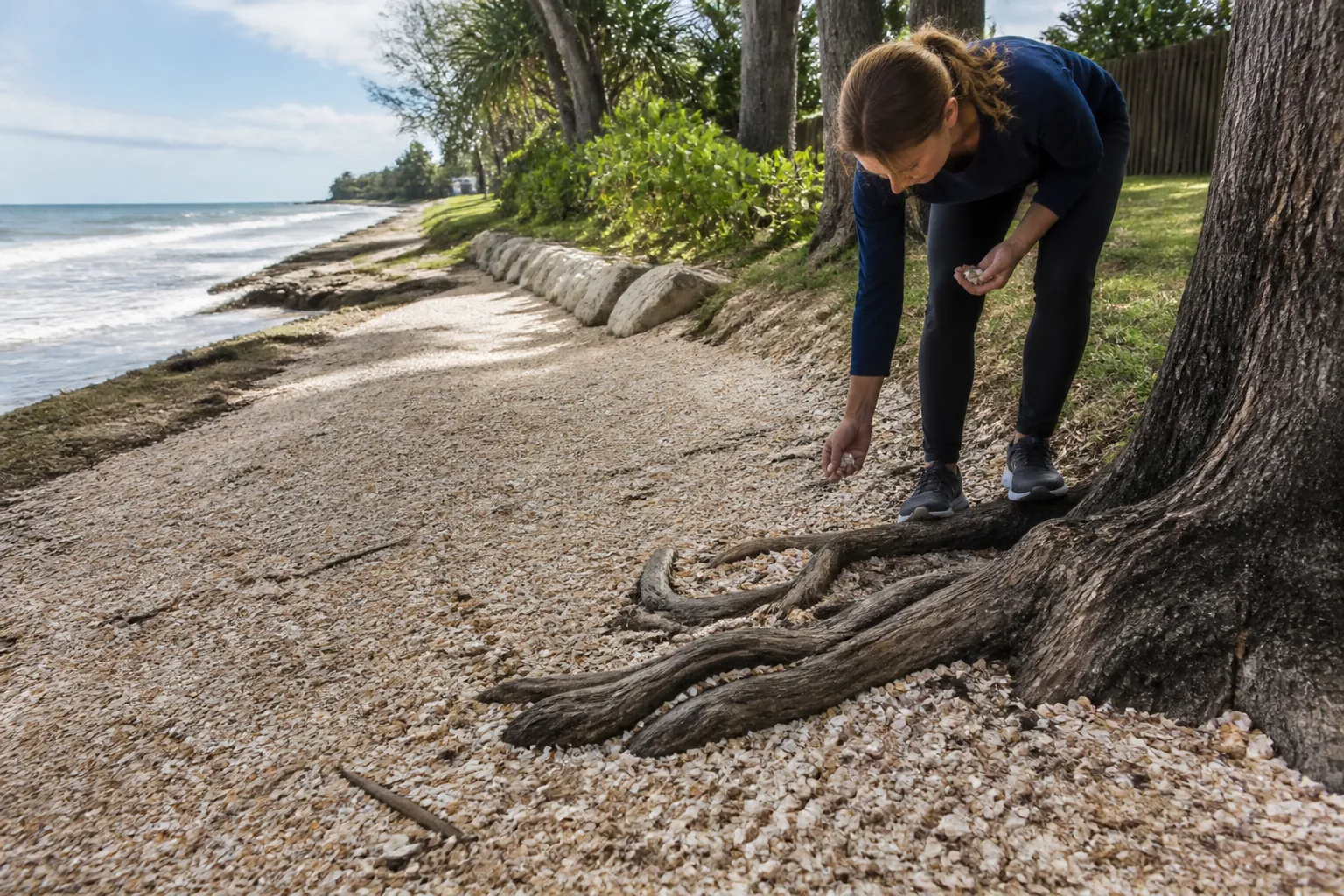
Using coquina shell over exposed tree roots needs careful thought before buying. Don't assume loose shell makes added cover safe for a tree. Keep visible roots and the trunk base clear while you seek advice. An arborist can assess the tree and help define areas suitable for shell.
For Flagler Beach buyers, the first task is choosing a safe location. The next tasks are measuring that space and planning delivery. Tropical Yards sells coquina shell and tropical plants, with dump trailer delivery. The business supplies materials rather than providing yard work.
This guide focuses on buying shell near trees with visible roots. It explains what to check, what to measure, and when to pause. It doesn't replace a tree assessment or local permit advice.
Can you put coquina shell over exposed tree roots?
Don't cover exposed roots simply to hide them or smooth the yard. A shell layer changes the surface around the tree. The right choice depends on the tree, site, and planned use. Ask an arborist about root protection before deciding where shell can go. Compare coquina shell material options when planning this step.
Start by looking at the whole area, without digging or scraping. Note the trunk base, large roots, slopes, and nearby paths. Take wide photos that show how these parts fit together. Close photos alone may miss the wider layout.
Visible roots can make a space hard to walk through. Still, hiding them doesn't resolve the underlying layout problem. If your goal is a smooth route, consider moving that route. Don't cut, shave, or grind roots to fit a shell bed.
A tree review should come before your material order. Explain the goal in plain terms, such as easier access. Show where you hope to place shell and contain its edges. Mention any planned digging, added soil, or changes in height.
Ask what should remain open and what work should stop. A useful answer should address your tree and actual site. General advice from another yard may not fit your conditions.
- Mark each visible root on a simple sketch before measuring any proposed shell area.
- Photograph the trunk base and nearby ground without moving soil or existing cover.
- Ask an arborist to review any plan that would cover roots or change ground levels.
- Keep people and delivery equipment away from areas set aside for root protection.
If roots appear damaged, pause the shell project. Get advice before trying to hide the affected spot. Buying material first can create pressure to use an unsuitable area.
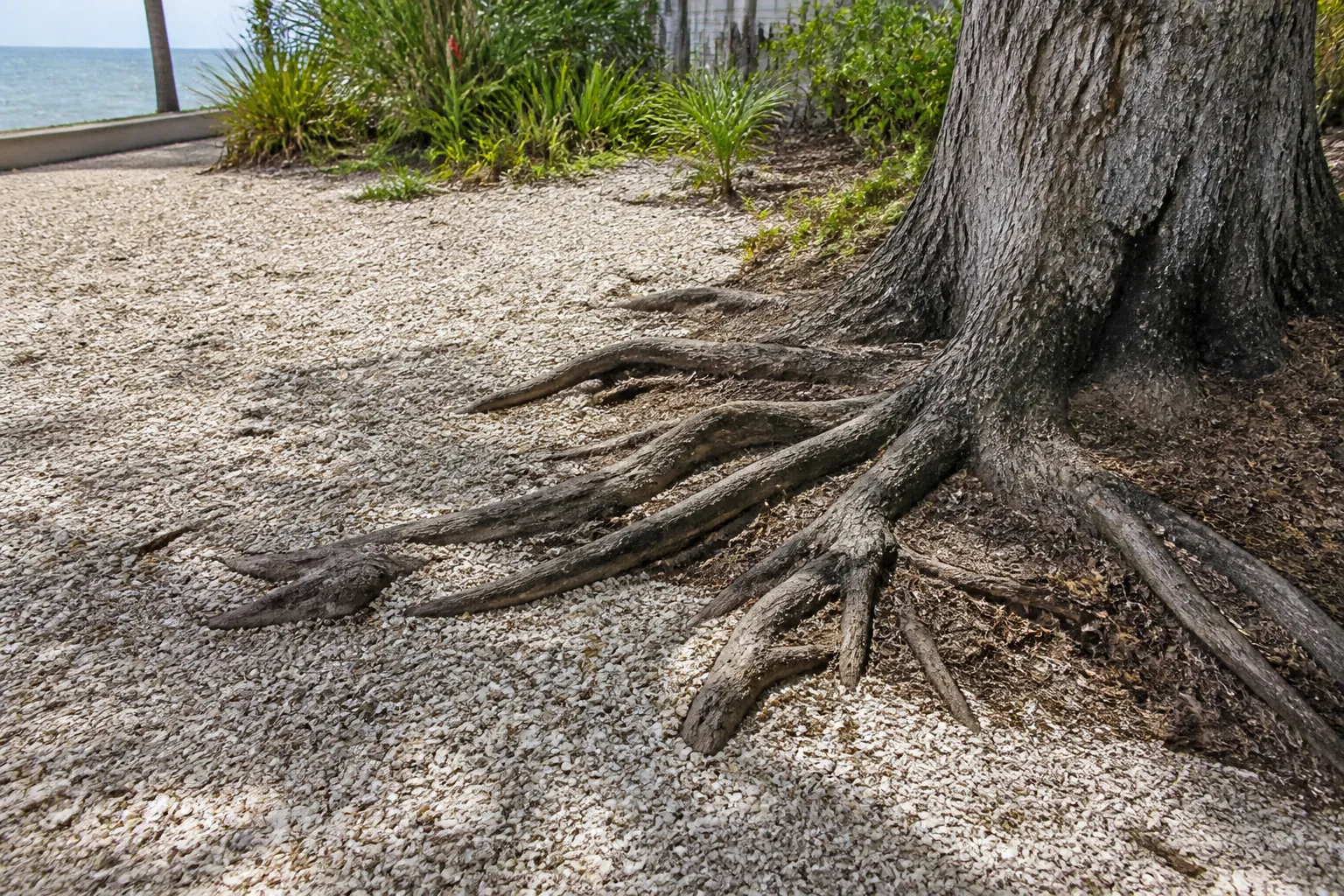
Where can a shell area go near a tree?
A better shell plan may leave the exposed roots outside it. Think about separate spaces rather than one blanket of shell. Your tree assessment should guide the boundaries. Then choose a shell area that serves a clear purpose without forcing changes around the trunk or roots. Compare coquina shell material options and coquina shell delivery planning when planning this step.
For example, you might want a small feature beside an existing path. That goal differs from filling every bare patch beneath a tree. A smaller area may be easier to measure and keep contained. It still needs a site check before work starts.
Watch how people already move through the yard. A shortcut may cross the exact roots you hope to protect. Adding shell won't make those roots level or remove trip concerns. Consider a route that avoids them instead.
Also look at where roof runoff and yard water go. Don't use shell to disguise an unresolved drainage problem. Note low spots and places where water collects after rain. Share those details when seeking tree or drainage advice.
Keep planned borders out of the protected area unless specifically approved. Some border methods involve stakes, trenches, or buried parts. Review the full method before buying supplies. A neat edge isn't worth unplanned damage.
Use temporary markers to picture the proposed space from several angles. Keep them on the surface rather than driving them into roots. Check the view from doors, paths, and the delivery approach.
Leave room to change the plan after expert advice. The result might be a smaller shell area or none nearby. That decision should come before calculating a material order.
Don't assume a broad circle around the trunk solves every issue. Roots and site needs don't always follow a simple shape. Use boundaries based on the actual tree and intended work.
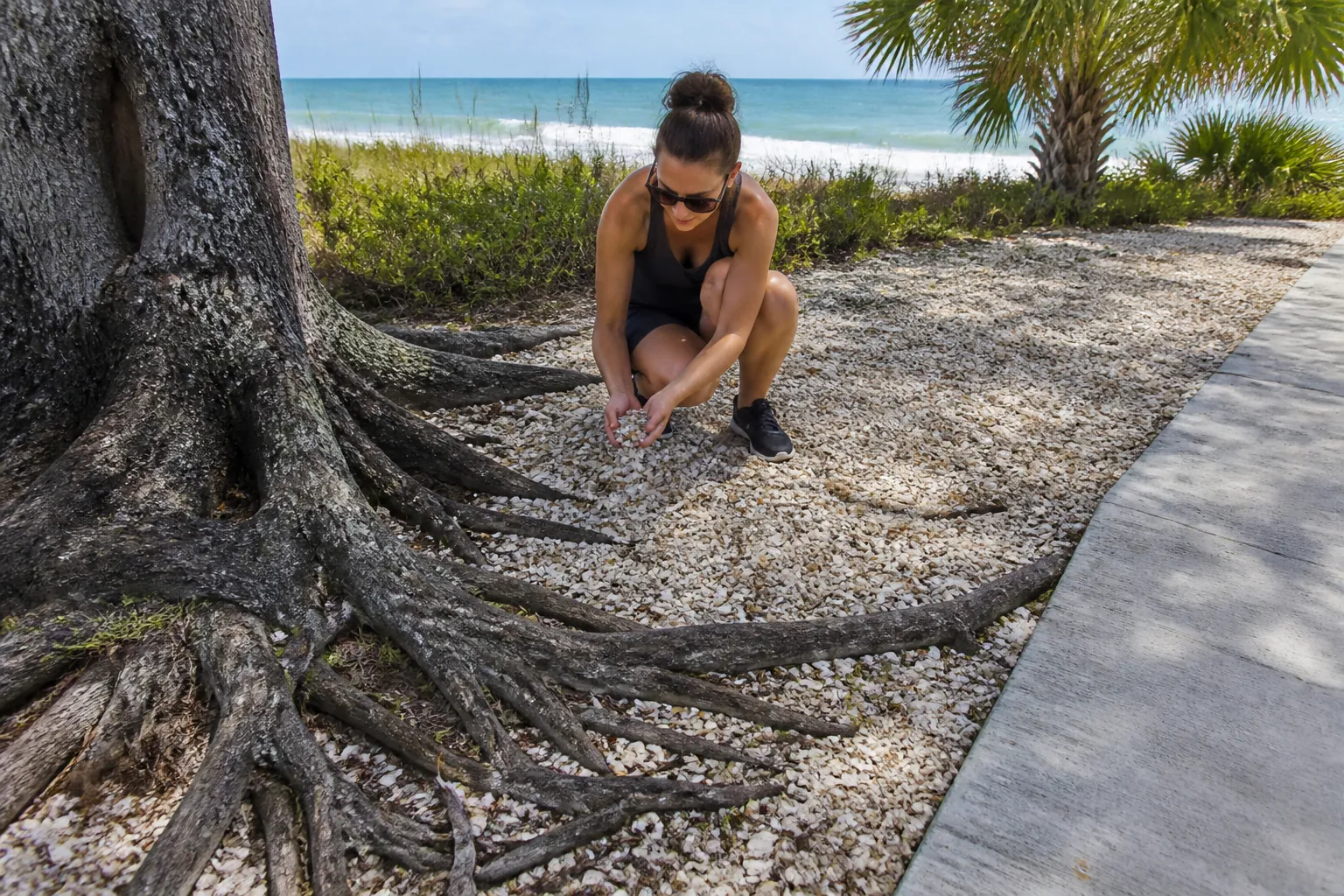
What should you check before buying coquina shell?
Choose shell based on the approved use, rather than appearance alone. Ask Tropical Yards about current material, available quantities, and coquina shell delivery planning needs. Explain that your project sits near a tree with exposed roots. Keep tree safety decisions separate from questions about buying and transporting the shell. Compare coquina shell material options when planning this step.
Product photos can help you discuss the look you prefer. Ask what the current supply looks like before ordering. Don't assume an old photo shows every future load. Natural materials may have a mixed look.
Think about how you plan to use the finished area. A display bed has different needs from a walking route. Ask about the shell's texture and discuss any concerns about footwear. Avoid choosing material only from a distant photo.
If nearby plants matter, write down their names and locations. Don't assume all plants suit the same growing conditions. Ask a qualified local plant adviser about any concerns. Shell should not become a quick fix for poor plant health.
Tropical Yards also sells palm trees, flowering plants, privacy plants, and other tropical plants. Adding plants near established roots creates another planning step. New planting holes may conflict with the root area. Review locations before buying plants for that spot.
- Ask about the current shell supply and how the seller describes its size and texture.
- Explain the intended use so your order questions match the actual project.
- Confirm the ordering unit before converting your measurements into a requested amount.
- Discuss delivery access and the proposed unloading spot before placing the order.
- Keep any new planting plans separate until root protection questions are resolved.
These questions help make the purchase clearer without turning supply advice into tree approval. Tropical Yards supplies materials and delivery, not tree care or landscape work. You remain responsible for arranging any assessment and DIY work.
How do you measure without covering protected roots?
Measure only the space cleared for your planned shell use. Exclude roots, trunk space, and other areas your adviser says to protect. Record the length, width, and approved depth separately. Ask Tropical Yards how those measurements translate into its ordering units before choosing a load size. Compare coquina shell material options and coquina shell delivery planning when planning this step.
Don't measure the whole yard and subtract obstacles from memory. Draw the proposed shell boundary on paper first. Add clear labels for areas that must stay uncovered. This helps prevent those spaces from entering the order by mistake.
For a rectangle, multiply length by width to find square feet. Split an uneven space into smaller rectangles or triangles. Add those areas after checking each boundary. Keep all length measurements in the same unit.
Volume depends on area and depth, not area alone. Depth in inches must be changed to feet for cubic feet. Divide cubic feet by 27 to get cubic yards. Confirm that cubic yards match how your supplier takes orders.
The depth is a planning input, not a tree safety rule. Don't choose it from a general shell coverage chart near roots. Get site advice first, then calculate for the approved area. A thin layer isn't automatically suitable.
| Planning item | What to record | What to avoid |
|---|---|---|
| Shell boundary | Measure the approved area only. | Don't include protected root space. |
| Material depth | Use the depth accepted for that location. | Don't treat a sales estimate as tree advice. |
| Order amount | Confirm units with the supplier. | Don't mix inches and feet in one calculation. |
| Unloading space | Record a separate delivery location. | Don't count a temporary pile as final coverage. |
Check the figures once more before ordering. If you add extra material, plan where it can safely stay. Don't solve an overorder by spreading more shell near the tree.
How should you plan dump trailer delivery?
Plan coquina shell delivery planning around a suitable unloading spot away from protected roots. Tropical Yards offers dump trailer delivery from St. Augustine to Daytona Beach. Discuss your Flagler Beach address, access, and drop location before ordering. A delivery plan should cover vehicle access, unloading space, and your later DIY handling. Compare coquina shell material options when planning this step.
The final shell area and unloading spot may be different places. Don't assume the trailer can reach a space beneath a tree. Share clear photos of the driveway and proposed approach. Include gates, tight turns, slopes, and overhead obstacles.
Tell the supplier about septic features, irrigation parts, and other concerns. Don't ask the driver to judge hidden underground conditions. Identify suitable access before delivery day. If you're unsure about load-bearing surfaces, seek qualified advice.
Keep the unloading spot separate from the protected tree area. Temporary storage still places material on the ground. Don't plan to pile shell against the trunk for later moving. Choose a location that leaves doors, drains, and walkways usable.
Ask what clearance the trailer needs to unload. Let the supplier assess the proposed access before you rely on it. Don't estimate trailer clearance from the width of a car. A route that looks open may still be unsuitable.
- Send clear access photos and describe gates, slopes, turns, and overhead limits.
- Confirm the unloading spot before delivery instead of choosing it when the trailer arrives.
- Keep parked cars and loose items away from the agreed delivery route.
- Plan a DIY hauling route that stays outside the protected root area.
- Ask how weather or ground conditions could affect the planned delivery arrangement.
Remember that delivery doesn't include spreading or yard cleanup. Arrange your own tools, time, and any separate help needed. Keep your plan flexible if safe access requires a different drop spot.
What should DIY buyers do after delivery?
Follow the approved boundaries when moving shell from the coquina shell delivery planning pile. Keep shell away from the trunk base and protected roots. Don't dig or trim roots to make spreading easier. If the site differs from your plan, stop and seek advice before continuing the work. Compare coquina shell material options when planning this step.
Walk through the planned steps before opening the pile. Check that your tools and hauling route fit the space. Read and follow tool and equipment safety instructions. Choose suitable footwear, gloves, and eye protection for the tasks.
Move material in loads you can handle with control. Don't use exposed roots as a shortcut for a loaded cart. Keep tools from striking the trunk or visible roots. If the route feels unsafe, change the work plan.
Check your boundary as you work, rather than at the end. Stop shell from drifting into spaces meant to stay clear. Don't add more depth merely because material remains. Leftover shell needs a separate, suitable storage or use plan.
Pay attention to edges near walking areas. Loose material can spread beyond its intended space. Check paths before using them and address stray shell safely. Avoid adding a border that requires unreviewed digging near roots.
After rain, look for movement and changes in water flow. Don't respond by filling every low spot with more shell. First check why the change occurred. Ask for advice if water begins collecting near the tree.
Later changes deserve the same care as the first project. New plants, wider beds, and deeper shell all change the plan. Recheck root protection before expanding the area. Don't treat the original review as approval for future work.
Keep your measurements and order notes for later reference. They can help you describe the area when asking questions. Photos can also show how the space has changed. They don't replace a fresh assessment when concerns arise.
Frequently asked questions
Will shell make raised roots safe to walk over?
Don't rely on shell to make raised roots level or safe. Roots may still create uneven footing beneath the cover. If walking access is the main concern, review a different route. Ask an arborist about tree protection before changing the ground around visible roots.
Can I cut a root before adding shell?
Don't cut roots as a routine step in a shell project. Stop and have an arborist assess the tree and proposed work. Explain why the root affects your plan. Moving or shrinking the shell area may be a better option than altering the root.
Can I use a standard shell depth near trees?
A general coverage depth doesn't establish what's suitable near your tree. Site conditions and the proposed area need their own review. Get that guidance before calculating the order. Use the accepted depth only within the approved boundary, rather than across the whole space beneath the tree.
Does Tropical Yards spread shell after delivery?
No. Tropical Yards sells coquina shell and tropical plants, with dump trailer delivery. It doesn't install, spread, design, maintain, trim, or clean up yards. Plan your own handling after unloading. Arrange any tree assessment separately before placing shell near exposed roots.
What should I prepare before calling about an order?
Have your Flagler Beach delivery address, access details, and area measurements ready. Include the planned depth after getting site advice. Photos of the delivery approach can help explain access concerns. Ask about current shell supply, ordering units, and a suitable unloading arrangement.
Once your location and measurements are ready, call Tropical Yards at 772-267-1611. Ask about coquina shell sales and dump trailer delivery for your project.
Sources And Further Reading
Call 772-267-1611 to talk through next steps.