A buyer’s guide to coquina shell rust stains in Daytona Beach, FL
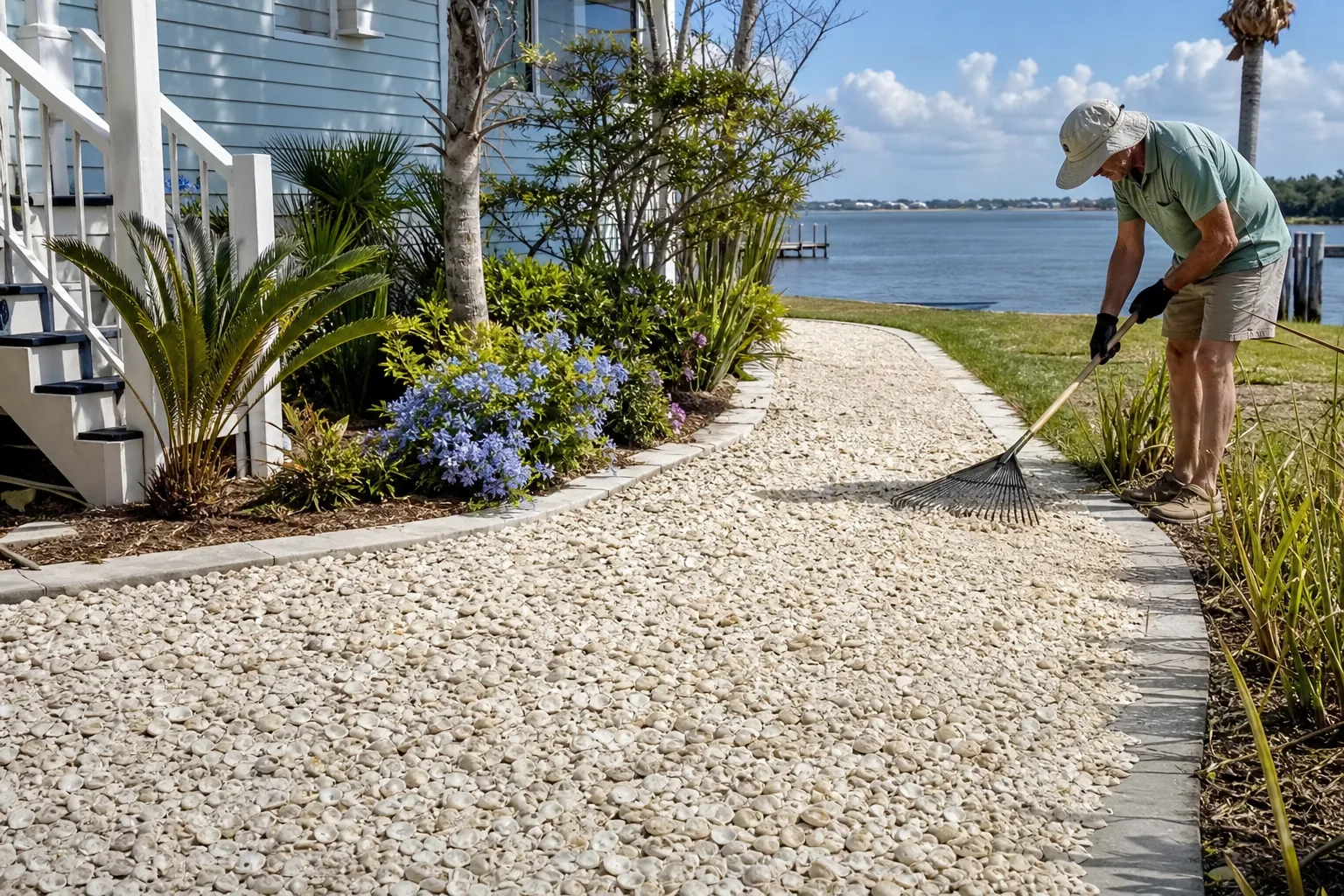
Coquina shell rust stains can mean several things, from natural color to stains from nearby metal; color alone won't tell you the cause. Before buying or treating shell, compare dry pieces, check nearby water and metal, and ask about the current supply. Start with a small sample when appearance matters.
For Daytona Beach buyers, this is both a shopping and DIY issue; you may want shell that suits your yard's look. You may also need to understand marks on shell already in place.
Tropical Yards supplies coquina shell and tropical plants, with dump trailer delivery; this guide covers choosing shell, checking stains, and planning your own work. Tropical Yards does not install, clean, or maintain yards.
What Do Coquina Shell Rust Stains Tell You?
Orange or brown marks are clues, not a firm diagnosis; they may reflect natural material color or contact with a stain source. Check several pieces and look beyond the shell itself. The pattern, location, and timing can help you decide what to ask before buying more or trying treatment. Review coquina shell choices and dump trailer delivery planning.
Start by deciding what you mean by a rust stain; is the whole piece warm brown, or is there one orange streak? Do many pieces share that tone, or does one small patch stand out?
Those details matter because they describe different concerns; a mixed batch may have a broad range of colors. A narrow band beneath a metal edge may suggest a nearby source. Neither observation proves the cause.
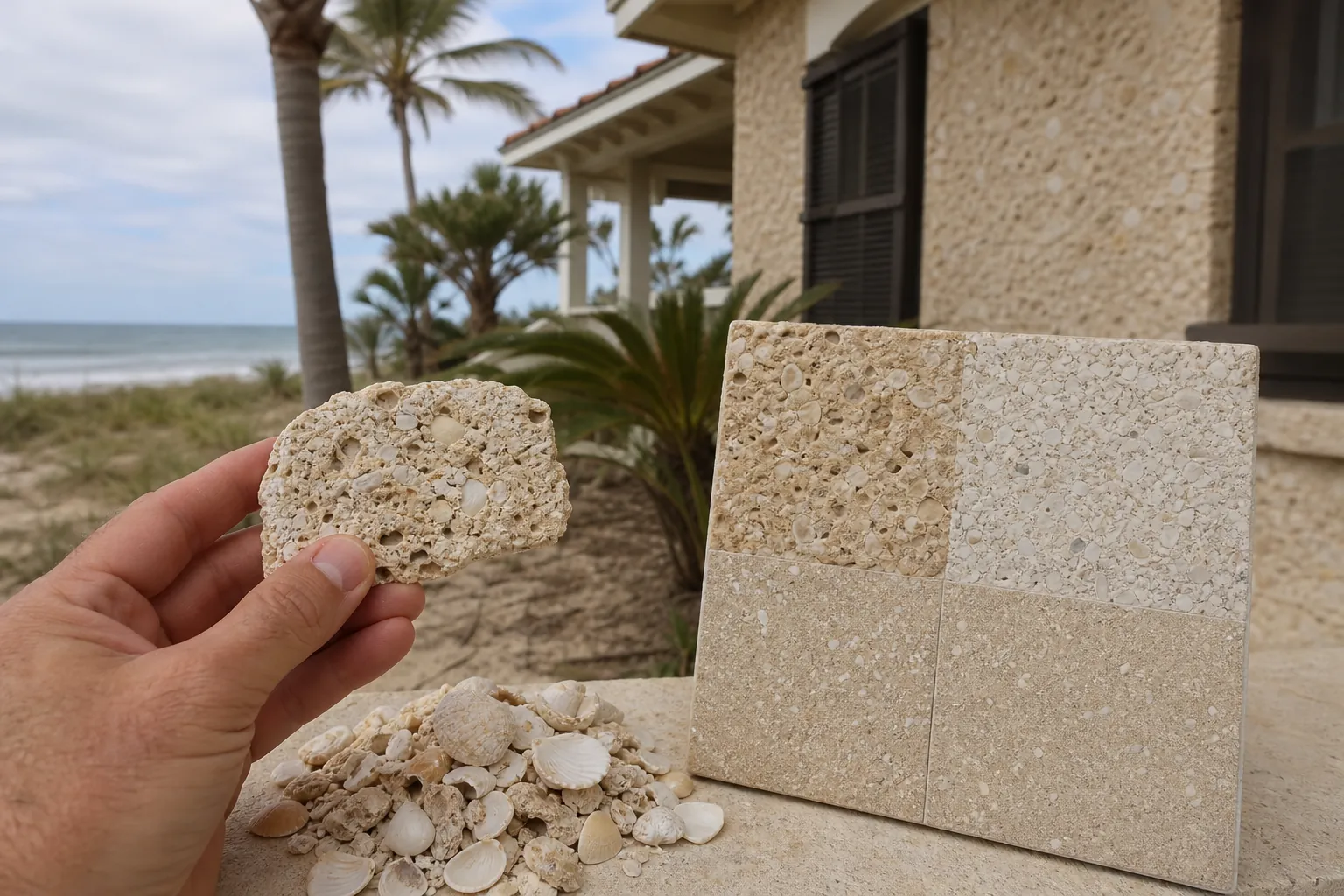
Look at dry shell in daylight first; wet shell can look darker than the same pieces after drying. Shade, indoor lights, and phone screens can also change how colors appear.
Take one close photo and one wider view; include the nearby edging, watering area, or object you suspect. Save a few loose pieces for comparison, rather than relying on a photo alone.
Ask when the marks first became clear; were they present before spreading, or did they appear later? If you don't know, say so. An honest starting point is more useful than a guessed cause.
Don't judge an entire load from one unusual piece; compare several handfuls from different spots you can safely reach. Keep your checks simple, and avoid walking into a delivery area during unloading.
If a uniform pale look is essential, explain that before ordering; natural shell may not match a single sample piece. Ask how well a sample represents the supply available for your order.
How Can You Check The Source Before Treating Shell?
Inspect the area before reaching for a cleaner; check nearby metal, watering patterns, soil splash, and anything stored on the shell. Compare affected spots with areas that stay clear. These checks can narrow your questions, though they can't confirm every stain source or tell you which treatment is safe. Review coquina shell choices and dump trailer delivery planning.
Begin with the edges of the marked area; a stain below a metal pot stand deserves a different check than color spread across the whole bed. Look for a pattern you can describe without assuming its cause.
- Check whether orange marks sit beneath metal furniture, edging, tools, or plant stands.
- Compare shell inside the watering area with shell beyond the usual spray reach.
- Look for soil splash or dirt that may hide the shell's true color.
- Note when the marks appeared and what changed nearby around that time.
- Photograph dry shell from several spots before moving pieces or testing any product.
If loose dirt covers a sample, a gentle water rinse may help you inspect it; keep the rinse small and away from storm drains. Let the sample dry before comparing it with untouched pieces.
A rinse isn't proof that a stain is rust; it also isn't a full cleaning plan. Its purpose here is to separate loose surface dirt from color that remains.
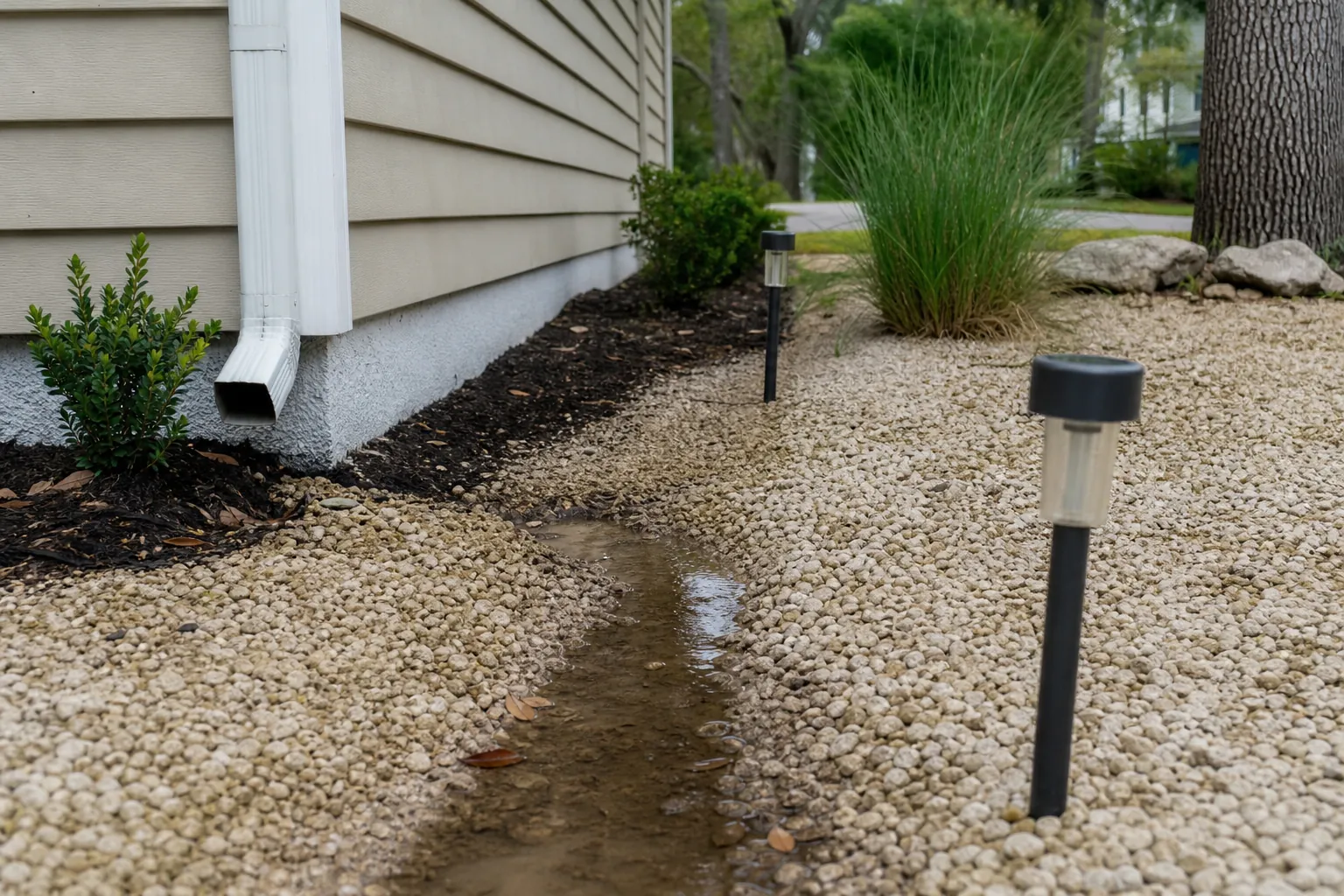
If irrigation seems involved, check where the spray lands; you may need advice about the water source or system. Don't assume changing shell will solve a mark that keeps returning from elsewhere.
For metal objects you own, inspect their condition and contact points; move only items you can handle safely. Take care around heavy pots, sharp edges, and buried watering lines.
Write down what you find before buying any treatment; a short record helps you explain the issue clearly. It can also keep you from repeating a test that made the shell look worse.
How Should You Choose Coquina Shell Before Buying?
Choose shell by its current appearance, intended use, and your tolerance for color variation; ask to see a representative sample when available. Compare it dry in the light where you'll use it. Tell the supplier if orange or brown tones concern you, so expectations are clear before you place an order. Review coquina shell choices and dump trailer delivery planning.
Start with the look you want, rather than a perfect color name; cream, pale tan, and warm brown can mean different things to different buyers. A photo of your planned area helps explain your goal.
Ask what the current shell looks like and how much it varies; also ask about piece size, broken pieces, and fines. These details affect the look and feel of the surface you create.
A handful gives useful clues, but it doesn't show every piece in a load; ask whether the sample comes from the supply being sold. Don't assume an older photo reflects today's material.
Think about how you'll use the area yourself; a bed viewed from a porch has different needs than a route used daily. Loose shell can shift underfoot, so consider footing and access before buying.
For a DIY bed, compare the shell beside nearby plants and hard surfaces; view it in sun and shade if possible. Give yourself time to decide whether the warmer tones suit the space.
If you're topping up an existing area, bring a few clean, dry pieces for comparison; weathered material may look different from a fresh supply. A close match in one light may still differ elsewhere.
Discuss appearance before discussing quantity; ordering more won't fix a mismatch you already dislike. Tropical Yards can discuss coquina shell sales, but your choice should reflect the actual supply and your own plans.
What Should You Do Before Trying A Rust Cleaner?
Don't treat shell with a product based on its name alone; read the label for allowed surfaces, nearby plant precautions, and disposal instructions. If shell isn't covered clearly, seek advice from the product maker. Test only when the use is appropriate, and don't expect treatment to create one even color. Review coquina shell choices and dump trailer delivery planning.
A cleaner made for one hard surface may not suit another; shell can react differently from a patio, painted metal, or tile. Avoid choosing a product simply because it removed rust somewhere else.
Some acidic cleaners can damage shell material; a product may change texture or appearance as well as stain color. Treat surface damage as a real risk, rather than an acceptable trade unless you understand it.
Keep products away from plants unless the label clearly permits the planned use; nearby roots, leaves, soil, and runoff routes all deserve attention. Don't treat a planted bed as an isolated surface.
- Read the full label before buying a cleaner for your shell area.
- Ask the product maker about shell when the approved surfaces aren't clear.
- Follow every stated rule for gloves, eye protection, rinsing, and waste handling.
- Never mix cleaning products or add another chemical to strengthen a treatment.
- Stop if a permitted test causes crumbling, surface loss, or unwanted color change.
If a suitable product allows testing, use a small, low-visibility sample first; keep an untreated piece nearby for comparison. Judge the result after drying, rather than while the surface is wet.
Don't wash treatment residue toward streets or storm drains; follow the label and local disposal rules. If those steps aren't clear, pause rather than improvise a large-area rinse.
You can also choose to leave mild color variation alone; a change in expectations may be simpler than chemical treatment. Tropical Yards supplies materials; it does not provide stain removal or yard cleaning services.
How Can You Plan A DIY Shell Area Around Plants?
Plan the shell layer around access, drainage, and each plant's needs; measure the space, choose a depth suited to your project, and keep plant crowns clear. Don't assume shell replaces soil or plant care. Tropical Yards sells plants and shell, while you handle planting, spreading, and later care yourself.
Sketch the area before placing an order; mark plant beds, paths, watering lines, and spots where water collects. This simple plan can reveal places where loose shell may be hard to contain.
Keep shell from piling against plant stems or trunks; leave room to inspect the soil and water as needed. For each plant, check its own planting and care guidance before deciding on coverage.
Tropical Yards sells palm trees, hibiscus, bougainvillea, ferns, and other tropical plants; these plants don't all need the same light, water, or space. Choose plants for the growing spot, rather than shell color alone.
Measure length and width for each part of the area; divide odd shapes into smaller sections you can measure. Record your chosen depth separately so the quantity discussion has a clear basis.
Share those measurements with the supplier before ordering; ask how the quoted amount relates to your planned coverage. Uneven ground, gaps, and your spreading method can affect how far the material goes.
Plan any edging as a separate DIY choice; check its material, placement, and effect on drainage. If rust marks worry you, pay attention to metal that will touch wet shell.
Leave access to watering controls and other service points; don't cover drains, valves, or features you need to reach. Before digging or driving stakes, check for buried utilities and follow local guidance.
Start with a small test area if appearance is your main concern; view it dry and after normal watering. That trial can help you settle the look before spreading a larger order.
How Do You Prepare For Dump Trailer Delivery?
Prepare a clear, agreed drop spot before your shell arrives; tell Tropical Yards about access, surface conditions, and obstacles when ordering. Dump trailer delivery places the material at the agreed location; it isn't spreading or installation. Plan how you'll move the pile yourself, and confirm any access limits in advance. Review coquina shell choices.
Tropical Yards offers dump trailer delivery of plants and coquina shell from St; augustine to Daytona Beach. For a Daytona Beach order, ask about delivery arrangements for your address. Confirm the material and drop plan before the trip.
Describe the entrance clearly, including gates, turns, and overhead obstacles; don't rely on a street-view image to show current access. Parked cars, low branches, and recent ground changes may affect the plan.
- Confirm the drop location with Tropical Yards before the delivery is scheduled.
- Share gate width, overhead obstacles, and tight turns when discussing trailer access.
- Keep children, pets, and bystanders clear of the unloading area during delivery.
- Make sure your planned pile won't block doors, drains, or needed access.
- Arrange your own tools and help for moving shell after the delivery.
Ask what ground conditions are needed at the drop spot; soft or uneven ground may limit access. Let the supplier assess the information rather than assuming the trailer can reach every yard area.
Keep the planned pile separate from existing materials when practical; that makes the new shell easier to inspect and measure. It also helps you compare its color before mixing it with older shell.
Don't request unloading where the pile would spill into public access; if street or sidewalk space is involved, check local requirements first. A convenient spot still needs to be safe and allowed.
Delivery does not include yard cleanup, plant removal, planting, or shell spreading; arrange that work yourself before placing the order. Clear expectations make the handoff simpler and help protect your planned work area.
Frequently Asked Questions About Shell Color And Buying
These questions cover common choices before ordering or treating shell; the key is to separate appearance, possible stain sources, and delivery needs. A supplier can explain the material being sold, while a cleaner's maker can address product use. Neither a photo nor a sample can answer every question about your yard.
Does orange shell always mean it has rust stains?
No; orange or brown color alone doesn't confirm rust staining. Compare several dry pieces and check the surrounding area for possible sources. Note whether the color was present before spreading or appeared later. That history can help you ask better questions without treating a guess as a diagnosis.
Can I order coquina shell that matches my existing bed?
You can ask about the current supply and compare samples when available; an exact match may not be practical, especially with older shell. Bring clean, dry pieces from your bed and explain which colors matter most. Review the material before ordering a large amount for a visible area.
Will replacing stained shell stop new marks?
Replacement may change the look, but it doesn't address an outside stain source; if nearby metal or watering contributes to the marks, new shell may be affected too. Inspect the area first. Decide how you'll address the possible source before spending time moving or replacing material yourself.
Does Tropical Yards spread shell or clean stained beds?
No; Tropical Yards provides coquina shell sales, tropical plant sales, and dump trailer delivery. It does not install, spread, maintain, trim, or clean yards. Buyers handle their own planting and shell work. Discuss the delivery drop spot in advance so you can plan the next steps yourself.
What should I have ready when I call about shell?
Have your delivery address, area measurements, planned depth, and access details ready; explain any concern about orange or brown tones before ordering. Ask about the current supply and sample options. If you're matching old shell, describe it clearly and have photos or a few dry pieces available.
For coquina shell sales, tropical plant sales, or dump trailer delivery, call Tropical Yards at 772-267-1611. Share your Daytona Beach project details and ask about the current supply. You can then plan your own yard work with clearer expectations.
UF/IFAS guidance on landscape mulch does not recommend shells as mulch in planted garden beds. Shell does not add nutrients or improve soil water storage. Consider organic mulch around plants and assess shell separately for decorative surfaces or pathways. The UF/IFAS walkway guide discusses material selection and keeping loose surfaces contained.
Call 772-267-1611 to talk through next steps.