A DIY guide to coquina shell surface care in St. Augustine, FL
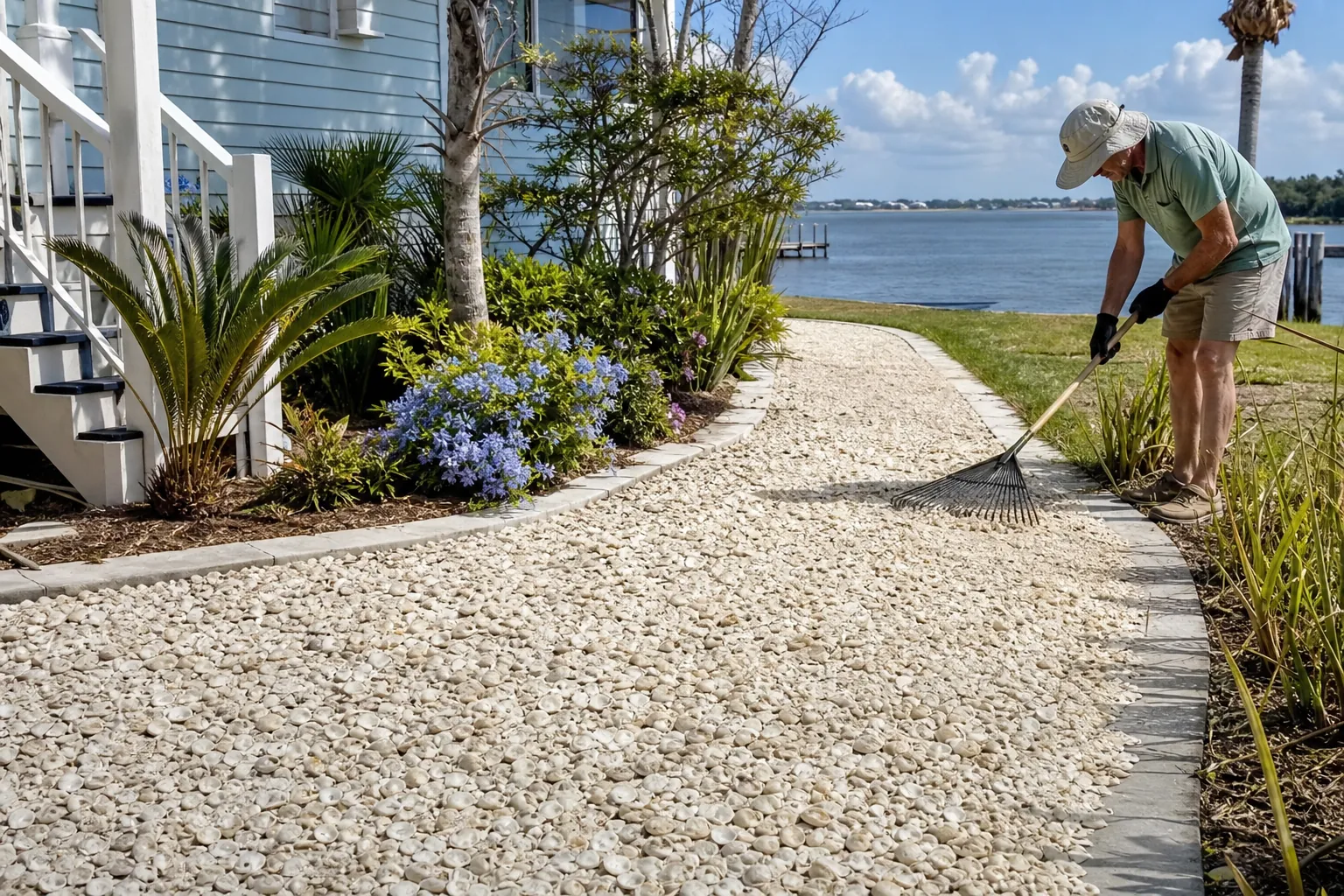
Coquina shell surface maintenance starts with light raking, weed checks, and watching drainage; clear leaves before they settle into the shell. Move loose material back into thin spots when practical. Add new shell only after checking the cause of wear; Tropical Yards supplies shell for these DIY projects.
A shell path can look uneven after rain or regular foot traffic; some spots may need a quick rake. Others need a closer look at water flow or the ground below; knowing the cause helps you avoid adding material where it won't solve the problem.
This guide covers routine care, surface checks, and refill planning in St; augustine. It focuses on existing shell paths and other low-traffic shell areas. Tropical Yards sells coquina shell and tropical plants, with dump trailer delivery; all yard work described here is for buyers to handle themselves.
Planning Coquina Shell Surface Maintenance
Shell surface care means keeping loose material even, clear, and contained; check the path after rain and periods of heavy use. Look for weeds, bare spots, and shell pushed beyond the edge. Start with small fixes before ordering more material; extra shell won't solve every surface problem. Review coquina shell choices.
Make a simple check part of your routine
Walk the full area before reaching for a rake; look along edges, around turns, and near gates. These spots may show wear before the middle of the path; note any place where users step around a puddle or rough patch.
Check the shell when the surface is easy to see; dense leaf cover can hide a low spot or weed growth. Move leaves gently so you don't carry shell into nearby beds; a light touch usually gives you more control.
Your care schedule should follow use and site conditions; a quiet garden path may need fewer checks than a busy entrance. Check sooner after strong rain or obvious foot traffic; there's no need to add shell on a fixed calendar.
Keep the right tools close
A garden rake, hand tool, gloves, and bucket cover many small tasks; use closed shoes while working around loose shell. Handle sharp edges with care; for heavy lifting, plan small loads and take breaks rather than filling each load to the top.
- Use a light rake pass to spread loose shell across shallow bare spots.
- Collect leaves in small batches so you can leave most shell behind.
- Check path edges for shell that has moved into nearby lawn or beds.
- Mark soft spots so you can watch them during the next rain.
Stop if the work uncovers buried lines, sharp debris, or an unknown fabric; don't dig farther until you know what's beneath the surface; small care tasks shouldn't turn into blind digging.
How Should You Rake And Clear A Shell Path?
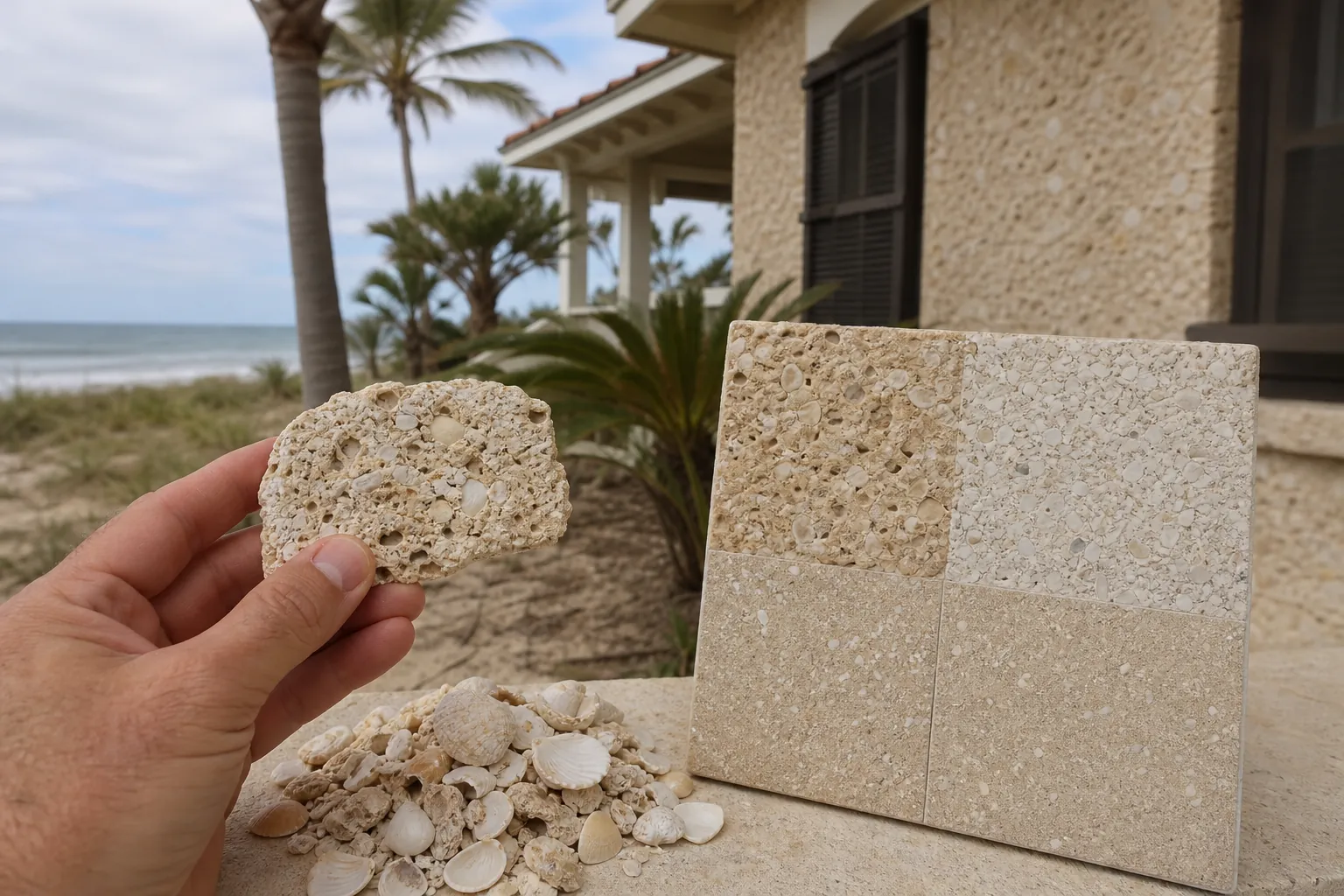
Rake shell with gentle passes that move the surface without digging deeply; clear sticks and leaves first, then spread nearby loose material into shallow gaps. Keep shell below doors and away from drains; if a spot stays low, check the ground beneath it before adding a refill. Review coquina shell choices and dump trailer delivery planning.
Clear loose debris before leveling
Pick up large sticks and fallen branches by hand; lift small piles of leaves instead of scraping them hard. Work from one end toward the other; this helps you see the clean surface as you go.
A leaf blower can push light shell beyond the edge; if you use one, test a small area first. Start with low power and keep the nozzle well back; stop if shell starts to move with the leaves.
Avoid treating the path like a surface that needs washing; a strong spray may move shell or expose the layer below. For a spill, choose a cleanup method suited to the spilled substance; keep wash water from carrying debris toward a drain.
Use nearby shell before buying more
Look for small ridges beside a thin patch; foot traffic can push material aside without removing it from the site. Pull that shell back with a light rake; use short strokes so you can judge each change.
Don't rake hard enough to catch a liner or disturb the soil; work around plants without scraping their stems or exposed roots. Keep the final surface away from door thresholds; a tidy path still needs clear access and safe footing.
After raking, walk the area slowly in your usual shoes; look for abrupt changes and spots that feel loose. Don't assume a fresh-looking path suits every user; walkers, wheels, and mobility aids can respond differently to loose surfaces.
How Can You Handle Weeds Without Losing Shell?
Check weeds while they're small, then remove them with as little surface movement as possible; catch loose soil in a bucket rather than mixing it into the shell. Watch for new growth along edges and under leaves; any weed-control product must suit the site and follow its label. Review coquina shell choices and dump trailer delivery planning.
Deal with growth early
Small weeds are often easier to remove than large rooted plants; grip close to the base and pull with care. If roots resist, use a hand tool within the weed patch; avoid turning over a broad area of shell.
Shake loose shell back onto the path before disposing of weeds; keep soil clumps out of the surface where practical. Then rake the disturbed patch lightly; check it again later for roots or new growth left behind.
Don't assume a liner below the shell prevents all weeds; leaves and soil can collect above it over time. Seeds may grow in that buildup; clearing organic debris helps limit those pockets, though weed checks remain useful.
Protect nearby plants and water
Keep sprays away from wanted plants unless the label allows that use; read the full label before choosing or using a product. Follow its weather, mixing, and site directions; if you're unsure, seek guidance before treating the area.
Avoid home mixtures that could harm nearby plants or soil; don't pour leftover products onto the path or into drains. Follow the product's disposal directions; hand removal is a practical starting point for a few small weeds.
In planted areas, leave room to reach each plant for care; shell should not pile against stems or bury plant crowns. Check those gaps when you rake; Tropical Yards sells plants, but plant placement and care remain the buyer's tasks.
Why Does Shell Shift After Rain Or Foot Traffic?
Shell may shift when water crosses the surface or feet push loose pieces aside; a weak edge can let material spread outward. Soft ground may cause sinking rather than simple surface loss; find the pattern before adding more shell, especially if the same spot needs repeated attention. Review coquina shell choices and dump trailer delivery planning.
Read the shape of the wear
A thin strip through the center may follow a common walking route; a ridge near a turn may show where shoes push material aside. Shell outside the border points toward an edge issue; each pattern suggests a different first step.
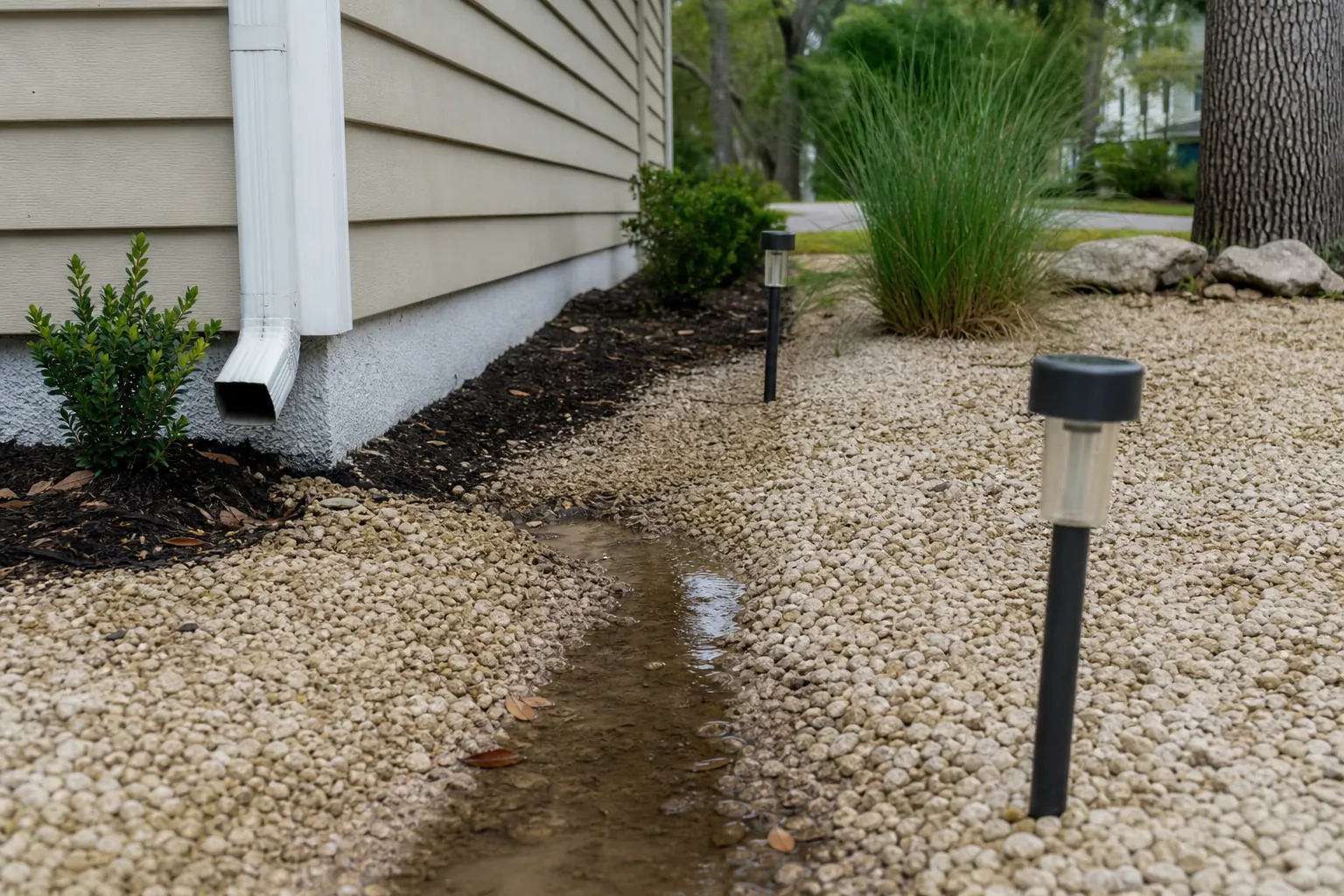
Watch the area during rain from a safe place; see where water enters, crosses, and leaves the path. Check nearby downspouts and drains without opening or changing them; take photos so you can compare the surface later.
Water that carries shell downhill can leave both bare spots and piles; moving those piles back may restore the surface for a while. It doesn't fix the water route; don't keep raising the path to hide a drainage concern.
Know when a refill isn't enough
A soft patch may need work below the shell; deep ruts, recurring puddles, or a sinking edge deserve closer review. Seek a qualified professional if the cause is unclear; Tropical Yards supplies material; it doesn't assess or repair site drainage.
- Check for nearby shell piles before deciding that material has been lost.
- Look for water tracks that cross the path after each rain.
- Inspect borders for gaps where loose shell can escape into the lawn.
- Pause refill plans when the ground feels soft or sinks underfoot.
- Keep drains and door openings clear when judging the finished surface height.
Never block a drain or change water flow toward another property; be cautious around slopes and building edges. If a repair changes levels, confirm the right approach first; surface care should preserve access and safe water flow.
When Should You Buy More Coquina Shell?
Buy more shell when usable material is truly missing and the surface below is sound; measure the thin areas after clearing debris and spreading nearby shell. Decide how much added depth each patch needs; then confirm product details and order units with Tropical Yards before placing your order. Review coquina shell choices and dump trailer delivery planning.
Separate small patches from broad wear
A few shallow gaps may need a modest refill; a whole path with exposed ground calls for broader planning. Measure those needs separately; this keeps one worn corner from driving an order for the full area.
For a rectangle, measure length and width in the same units; break curves into simple shapes and add their areas. Note the depth you plan to add; these figures help explain your needs when asking about available material.
Don't guess at conversion from area to the supplier's sale unit; ask how the shell is sold and what details support an estimate. Keep your measurements handy during the call; an estimate still depends on actual site conditions and spreading depth.
Confirm the material before ordering
Ask about the current shell's appearance and piece size; new material may not look exactly like weathered shell. If matching matters, discuss that before delivery; don't rely on a past photo as proof of today's stock.
Explain that you're refreshing an existing surface rather than starting a new one; describe the path's use and the size of each patch. Ask what product details are available; avoid treating a sales discussion as a site inspection.
Use leftover material only if it's clean and suitable for the same task; keep soil, yard waste, and other stone out of it. A mixed pile can make even spreading harder; check stored shell before moving it back onto the path.
How Do You Plan Dump Trailer Delivery And DIY Spreading?
Plan delivery around a safe drop spot, clear access, and your own work schedule; Tropical Yards offers dump trailer delivery of shell and plants from St. Augustine to Daytona Beach. Confirm access needs before ordering; delivery supplies the material; it doesn't include spreading, installation, or yard cleanup. Review coquina shell choices.
Discuss the drop site in advance
Choose a drop spot you can reach with your tools; consider the distance between that spot and the path. Check gates, turns, branches, and overhead wires; tell Tropical Yards about known access limits before arranging delivery.
Ask what space and ground conditions the trailer needs; don't assume a lawn, narrow drive, or paved area suits the load. Confirm the proposed location with the supplier; keep cars, pets, and people clear during the drop.
If access requires crossing shared or public space, check permission first; avoid blocking sidewalks, drains, or street access with the pile. Plan where unused shell will stay; keep that storage area clear of plant stems and regular walking routes.
Spread small amounts in stages
Move manageable loads to the work area; place small piles near the spots that need them. Rake each pile out gently before adding more; this gives you better control over depth and surface height.
- Measure each worn patch before choosing how much shell to order.
- Confirm the drop location and trailer access with Tropical Yards in advance.
- Move small loads using tools that suit your strength and site access.
- Check the surface often instead of spreading the full pile at once.
- Keep extra shell in a clean spot away from drains and plant stems.
Work in cooler periods when possible, and keep drinking water nearby; stop if lifting or footing feels unsafe. Get help suited to the task when needed; Tropical Yards doesn't provide the labor for moving or spreading your order.
What Should You Check After Refreshing A Shell Surface?
After a refill, check the surface height, path edges, and walking feel; watch the first rain for fresh movement or pooling. Keep records of the spots you repaired and the material you used; those notes can make future care and buying decisions easier without creating a fixed refill schedule. Review coquina shell choices and dump trailer delivery planning.
Review the work before calling it done
Look across the path from both ends; check for high piles, exposed ground, and shell against plant stems. Clear any material from drain openings; make sure gates and doors still move freely.
Walk slowly and check turns, steps, and transitions to paving; loose shell can behave differently from a firm paved surface. Test access with the people who use the path; if the surface doesn't suit their needs, reassess its use.
Revisit repaired spots after rain rather than adding more shell right away; compare new wear with your earlier photos. Repeated movement may point to a deeper issue; keep routine care separate from repairs that need skilled review.
Frequently Asked Questions
Can I add shell over an uneven path?
You can fill shallow surface gaps after checking their cause; first move nearby loose shell back into place. Don't cover deep ruts or soft ground without review; more material may hide the problem rather than fix it.
Should I remove all old shell before a refill?
Sound, clean shell may stay in place for a light refill; remove debris and check the base first. Soil buildup or a failed layer below may need a different approach; don't remove the whole surface without understanding why.
Can I use a pressure washer on coquina shell?
A forceful water stream may move loose shell and expose the base; start with hand removal for leaves and sticks. Treat spills based on the substance involved; keep debris and wash water away from drains.
How often should I order replacement shell?
Order based on measured wear, not a set date; rake and inspect the surface first. Some thin spots need redistribution rather than more material; recurring loss calls for a check of water flow, edges, or ground conditions.
Does Tropical Yards maintain or install shell paths?
No; Tropical Yards sells coquina shell and tropical plants, including palms, hibiscus, bougainvillea, and ferns. It offers dump trailer delivery within its stated service area; buyers arrange their own spreading, planting, maintenance, and cleanup.
Ready to plan a shell refill? Call Tropical Yards at 772-267-1611 to discuss coquina shell sales and dump trailer delivery. Bring your measurements and access details so you can plan your DIY work.
UF/IFAS guidance on landscape mulch does not recommend shells as mulch in planted garden beds. Shell does not add nutrients or improve soil water storage. Consider organic mulch around plants and assess shell separately for decorative surfaces or pathways. The UF/IFAS walkway guide discusses material selection and keeping loose surfaces contained.
Call 772-267-1611 to talk through next steps.