Keep coquina shell off sidewalks in Palm Coast, FL
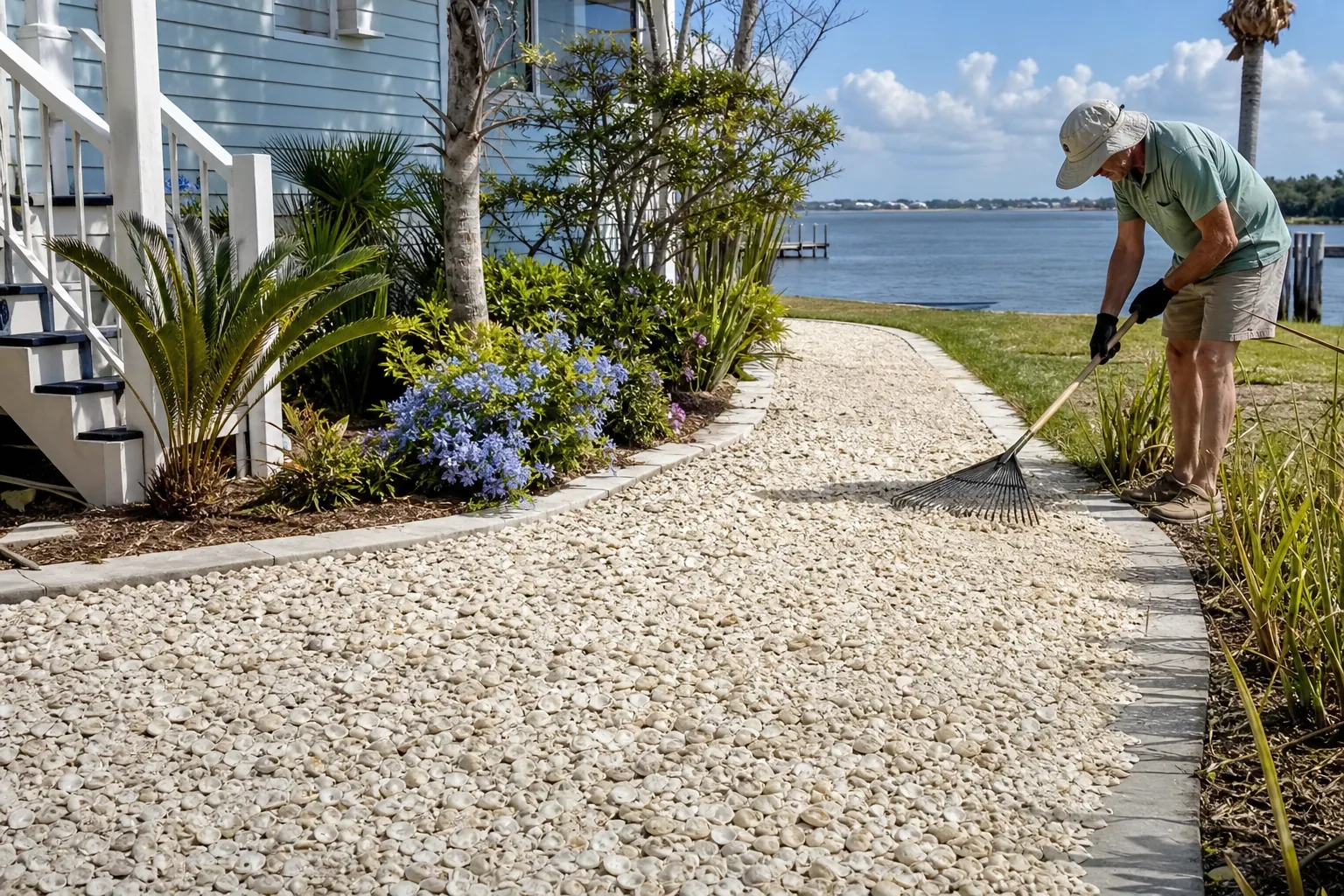
Coquina shell washing onto sidewalk areas often points to runoff, loose edges, or excess fill; before buying more shell, watch where rain flows and check the bed’s height. A clear border and a sound water path can help; adding shell alone may leave the same problem in place.
For Palm Coast homeowners, this is both a buying and DIY issue; you want shell where it belongs, without blocking a shared walkway; start with the cause, then decide what supplies you need.
Tropical Yards sells coquina shell and tropical plants; it offers dump trailer delivery from St. Augustine to Daytona Beach. It does not install shell, build borders, change drainage, or clean yards; this guide helps you plan that work yourself or discuss it with a separate contractor.
Planning Coquina Shell Washing Onto Sidewalk
Shell can reach a sidewalk when water crosses a bed’s edge; a bed filled too high can make that easier. Gaps in a border, roof runoff, and foot traffic may add to the problem; watch the site during rain from a safe spot before choosing a fix or placing an order. Review coquina shell choices and dump trailer delivery planning.
Start by looking at the pattern left after a storm; a thin trail may lead back to one low spot. A broad strip along the walk may point to an overfilled edge; shell near a downspout may show where roof water enters the bed.
These clues help you narrow the cause; they do not prove that one fix will solve it. More than one issue can move shell from the same bed; for example, a full bed may have both a weak border and strong runoff.
Check the shell level against the top of the sidewalk; loose material resting above the walk has little room to settle. Even a small push from shoes or yard tools can move it; water may then carry those pieces farther down the path.
Also check where people turn, step, or roll bins; a corner used as a shortcut can lose shell without much rain. If the spill stays near that corner, traffic may matter more than drainage; a higher border in the wrong place could create a trip risk.
- Follow the shell trail back to the bed before adding new material.
- Check each border gap for signs that water crosses the edge.
- Look near downspouts for channels, bare patches, or fresh shell piles.
- Compare storm damage with spots where feet or wheels cross the bed.
- Take photos from the same safe spot to track changes over time.
Do not walk into flowing water to inspect the site; wait until conditions are safe and the ground is firm; keep children and pets away from loose shell on the walk.
A fresh load is not the first step when shell keeps moving; find the exit point before you replace lost material; that can help you avoid buying shell that soon leaves the bed again.
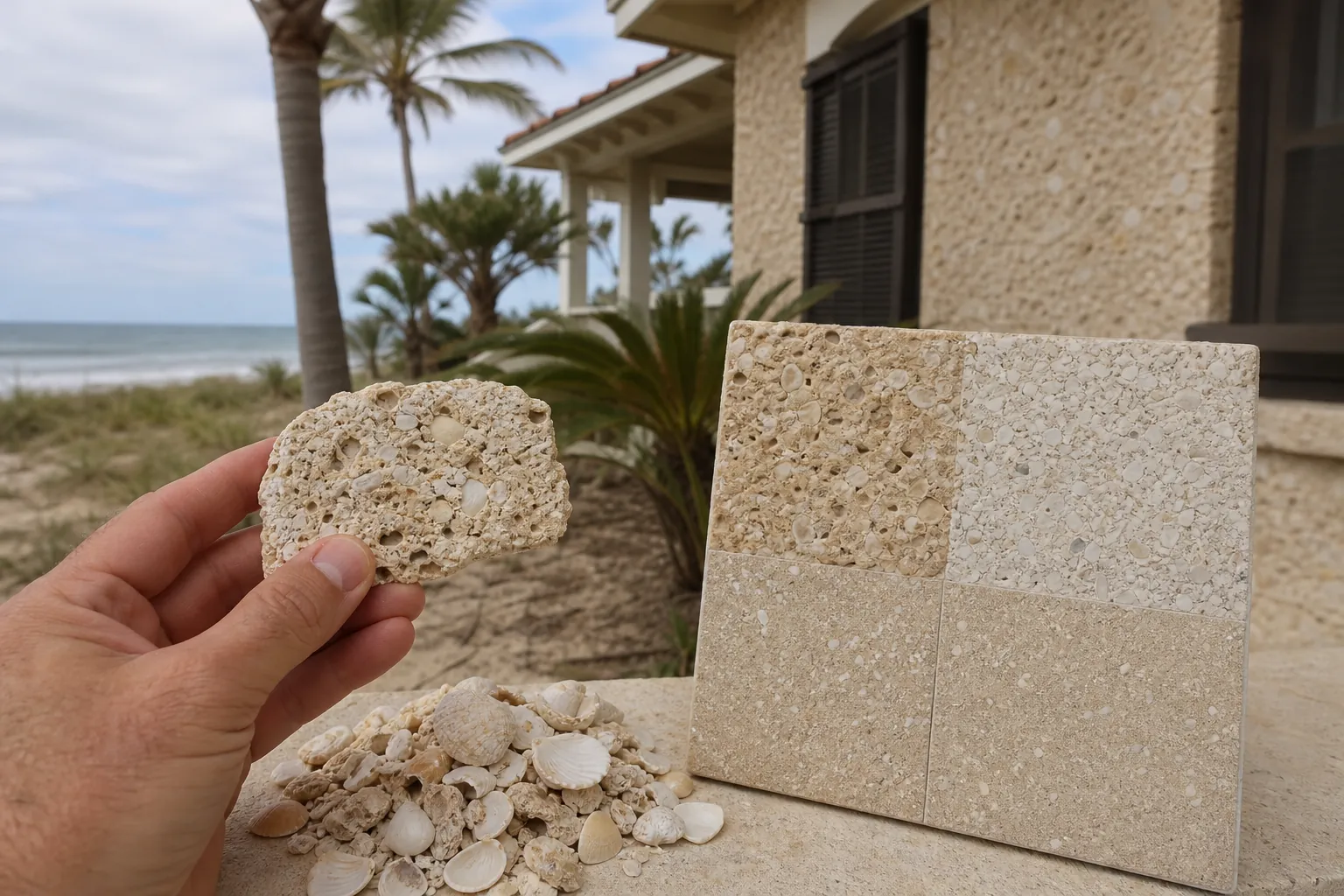
What should you check before changing drainage?
Check how water reaches the bed and where it leaves; your goal is to keep the walkway clear without blocking drainage. Do not send runoff toward a neighbor, street, or building; if the fix involves grades, drains, or public space, get guidance before digging or changing the site. Review coquina shell choices and dump trailer delivery planning.
Look beyond the shell bed itself; water may start at a roof, driveway, or higher part of the yard. It can cross several surfaces before it reaches the sidewalk; moving the shell edge may treat the spill while leaving the main cause untouched.
During safe viewing conditions, note where water first enters the bed; then note where it gathers speed or forms a narrow stream; those points often deserve more attention than the area where shell ends up.
A border can hold loose material, but it should not act as a dam; water trapped behind an edge may find a new path. That path could lead toward a wall or another part of the walk; check the whole flow route before raising a border.
Avoid filling a swale or covering a drain opening with shell; those spaces may serve a drainage purpose. If you cannot tell what a low area does, pause the project; ask the property owner or the relevant local office before changing it.
Do the same if work may extend into a public right-of-way; the grass beside a sidewalk is not always yours to alter. Check property limits and any community rules before setting permanent edging; request utility locating before any digging that could reach buried lines.
Some drainage problems fall outside a simple DIY shell project; repeated standing water, soil loss, or water near the house deserves closer review. A qualified drainage professional can assess those conditions; Tropical Yards supplies material, but does not provide drainage design or repair.
You can still prepare useful notes before seeking help; record where the water starts, where shell escapes, and what changed recently. A new roof outlet or altered bed may offer a clue; clear photos can make that discussion easier.
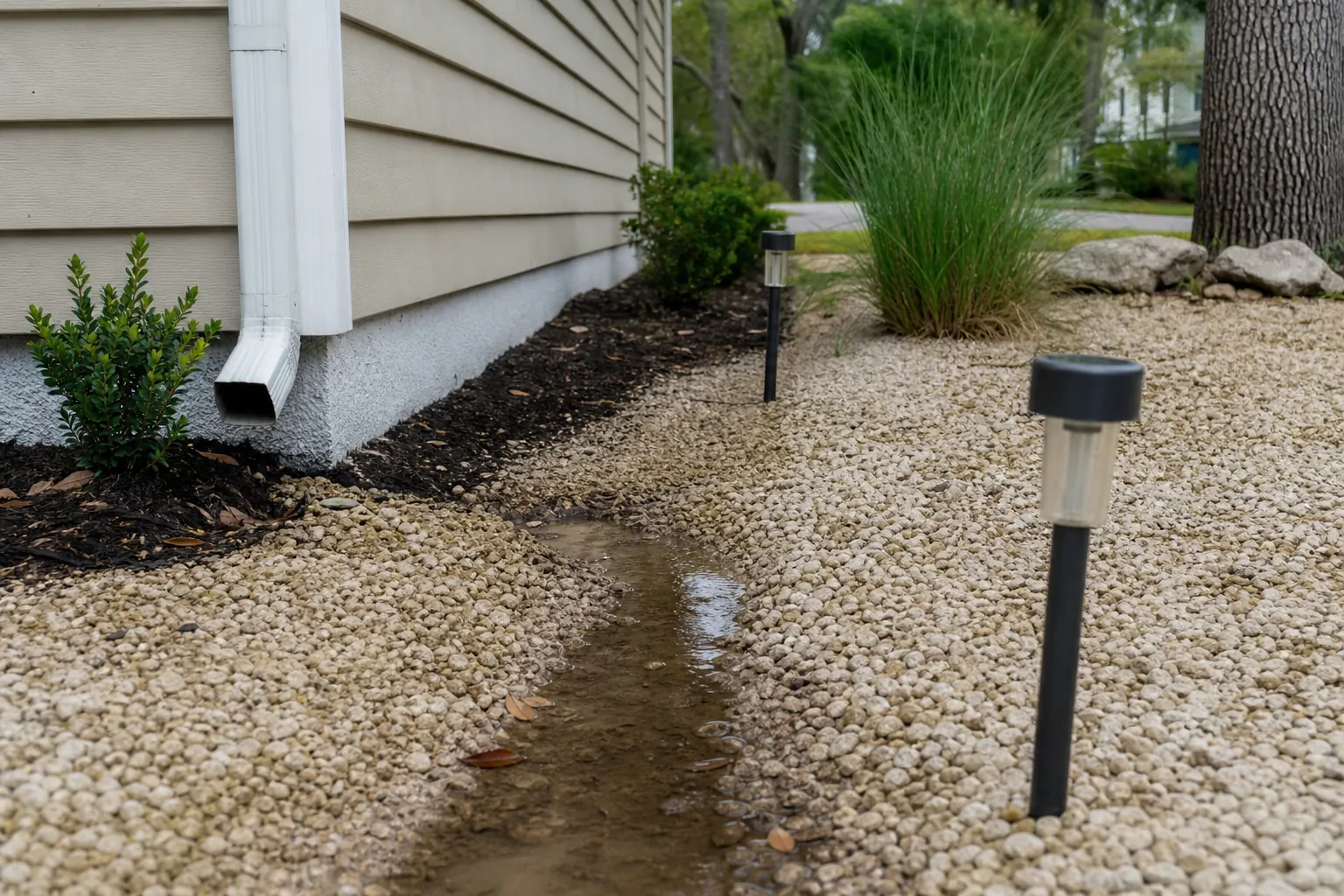
Which edge details help keep shell in place?
A useful edge holds shell while leaving the walk safe and drainage open; choose a border suited to the bed and nearby traffic. Keep loose shell below its retaining edge; before buying border supplies elsewhere, check local rules, the ground shape, and how rain passes through the area. Review coquina shell choices.
Start with the border you already have; look for tilted pieces, open joints, or sections buried under shell. A sound edge may need a lower fill level rather than a full replacement; if pieces have shifted, check the ground beneath them before resetting anything.
Different border types need different support; follow the product maker’s directions for the border you choose. A light strip meant for a quiet garden bed may not suit a busy corner; think about mower use, foot traffic, and wheel loads near the edge.
Do not place a raised edge across the sidewalk or its access path; keep the full walking surface clear. Avoid sharp points and loose pieces that could catch a shoe; a neat-looking border still needs to work safely for daily use.
Think about corners and ends as carefully as straight runs; shell often leaves through an unfinished end or a low joint. A border that stops before the spill point may have little effect; check those details before spreading a fresh load.
- Choose edging that suits the ground and expected traffic near the bed.
- Follow the border maker’s directions for support, joints, and placement.
- Keep shell below the edge rather than piling it against the top.
- Leave sidewalk access clear and avoid sharp or loose border parts.
- Check corners and ends for gaps where shell can escape.
Leave space to inspect the edge after the bed is filled; a crowded strip can hide gaps and collect stray pieces. It may also make sweeping harder; plan a shape you can reach without stepping into the shell.
No single border suits every runoff problem; if water cuts through the bed with force, edging alone may fall short. Address the water path first; then choose a shell level and border that fit the site.
How do you plan a replacement shell order?
Measure the area that truly needs shell after you address the spill cause; check the existing layer before choosing a depth. Separate bare spots from areas already filled too high; share your measurements with Tropical Yards, and confirm current shell details before ordering material for your DIY project. Review coquina shell choices and dump trailer delivery planning.
Draw a simple outline of the bed; mark its length and width, along with curves or narrow sections. Split an odd shape into smaller parts you can measure; keep notes in one place so you do not count the same area twice.
Next, check how much shell remains; a bed may look thin because shell has gathered at one end. You might be able to move some existing material back yourself; do that only after correcting the cause and keeping the sidewalk clear.
Do not assume that a deeper layer will stay put better; more shell can raise the surface above the border. It can also hide an existing water channel without stopping the flow; choose depth based on the bed’s purpose, current level, and drainage needs.
For a basic estimate, multiply area by your chosen depth; use the same units throughout the calculation. This gives a volume estimate, not a delivery amount by weight; do not convert volume to weight using a guess about shell density.
Ask how the available coquina shell is sold and measured; confirm its current appearance and mix of piece sizes. Shell is a natural material, so check what is available for your order; do not assume it matches an older load without asking.
Explain that the project sits beside a sidewalk; mention narrow access, a low border, or a known runoff route. Those facts help you discuss the order clearly; they do not replace a site check or a drainage plan.
Keep plant needs separate from the shell quantity; if you also plan to buy palms, hibiscus, bougainvillea, or ferns, assess each planting spot. Light, space, and water needs still matter; shell beside a plant is not a substitute for sound planting and care.
Tropical Yards can discuss its shell and plant sales; the homeowner handles site prep, spreading, and planting, or hires separate help; confirm product availability and delivery details before setting your work schedule.
How can you plan dump trailer delivery near a sidewalk?
Choose a drop spot that keeps shell out of the sidewalk and runoff path; confirm access and unloading needs with Tropical Yards before delivery. Plan how you will move the pile yourself; dump trailer delivery brings the material, but does not include spreading, border work, planting, or yard cleanup. Review coquina shell choices.
A convenient drop spot is not always a safe one; a pile beside the walk may block access or spill onto pavement. A low spot may collect water before you spread the load; review the site with both delivery and the later DIY work in mind.
Ask what room the delivery vehicle needs to approach and unload; share any gates, tight turns, overhead obstacles, or sloped access. Do not assume the trailer can reach a back bed; confirm the planned drop location before the delivery day.
Check who owns the chosen unloading surface; get permission when needed, and review any community rules. Do not plan a pile on public pavement or across a shared path; keep access to doors, gates, and driveways open.
Prepare your tools before the shell arrives; you may need a wheelbarrow, shovel, rake, gloves, and sturdy shoes. Choose tools you can use safely with the material; arrange enough time and help to move it without rushing.
- Confirm trailer access and the agreed drop location before delivery day.
- Keep the sidewalk, drive access, and nearby drain openings clear.
- Choose a spot outside the runoff route you observed during rain.
- Have safe tools ready for moving and spreading the shell yourself.
- Review the weather forecast before leaving a loose pile near pavement.
- Keep children and pets away from unloading and the stored shell pile.
If your project is delayed, review the storage spot again; a pile that was fine in dry weather may sit in rain flow. Do not build a makeshift barrier that sends water elsewhere; move material to a better place when you can do so safely.
For a combined plant and shell order, discuss unloading needs in advance; plants need suitable handling and care after arrival. Keep them clear of the shell-moving route; Tropical Yards delivers supplies, while you manage the work after the drop.
What should you do after spreading the shell?
Check the bed after the first rain and during normal use; look for new trails, low spots, and border gaps. Remove stray shell from the walk when safe. If the same spill returns, revisit the cause before adding material; a clear path matters more than a perfectly full bed. Review coquina shell choices and dump trailer delivery planning.
Spread the shell with the planned level in mind; avoid pushing extra material against the sidewalk edge. Work in small areas so you can judge the layer; stop and check the border height as you go.
Keep shell away from plant stems and tree trunks; follow care guidance suited to the plants you have. Do not bury a root flare to make the bed look level; if the plant area needs a different surface level, address that before adding shell.
After rain, compare the site with your earlier photos; check the old escape point and nearby parts of the border. Water may use a different route after changes; a dry check alone cannot show how the bed handles runoff.
Clear stray pieces without pushing them into street drains; use a method that suits the walkway and avoids damage. Wear gloves and sturdy shoes when handling shell; keep loose material away from places where people step or roll wheels.
If shell moves again, note how much moved and from where; a few pieces near a shortcut may need a different response than a washout. Repeated water flow through the bed calls for another drainage review; more fill should not be your default response.
Keep your measurements and delivery notes for future orders; record where you added shell and which areas needed less. That gives you a useful starting point later; it also helps you avoid refilling sections that already sit too high.
Frequently asked questions
Will adding more coquina shell stop it washing onto the sidewalk?
Adding shell alone may leave the cause unchanged; it can make an overfilled edge worse. Check runoff, border gaps, and the current level first; replace lost shell once you have a sound plan for keeping it within the bed.
Can I place shell directly against the sidewalk?
A shell bed can sit beside a sidewalk, but its edge needs care; keep loose pieces off the walking surface. Check the bed level, border, and water path before spreading; confirm property limits and local rules before changing edging near public pavement.
Does Tropical Yards install shell or fix borders?
No; Tropical Yards sells coquina shell and tropical plants, with dump trailer delivery. It does not install, design, maintain, trim, or clean up yards; you handle spreading and site work yourself, or arrange those tasks with a separate contractor.
What should I have ready before asking about shell delivery?
Have bed measurements, your planned depth, and a proposed drop spot ready; note gates, tight turns, slopes, and overhead obstacles. Explain any sidewalk or drainage concerns; ask about current shell availability, how orders are measured, and the delivery access needed.
For coquina shell sales and dump trailer delivery questions, call Tropical Yards at 772-267-1611. Discuss your material order and drop plan before scheduling. Plan separately for any DIY spreading, planting, edging, or drainage work.
UF/IFAS guidance on landscape mulch does not recommend shells as mulch in planted garden beds. Shell does not add nutrients or improve soil water storage. Consider organic mulch around plants and assess shell separately for decorative surfaces or pathways. The UF/IFAS walkway guide discusses material selection and keeping loose surfaces contained.
Call 772-267-1611 to talk through next steps.