Tropical Plants for Sale in Beverly Beach & Marineland FL: Coastal-Ready Picks
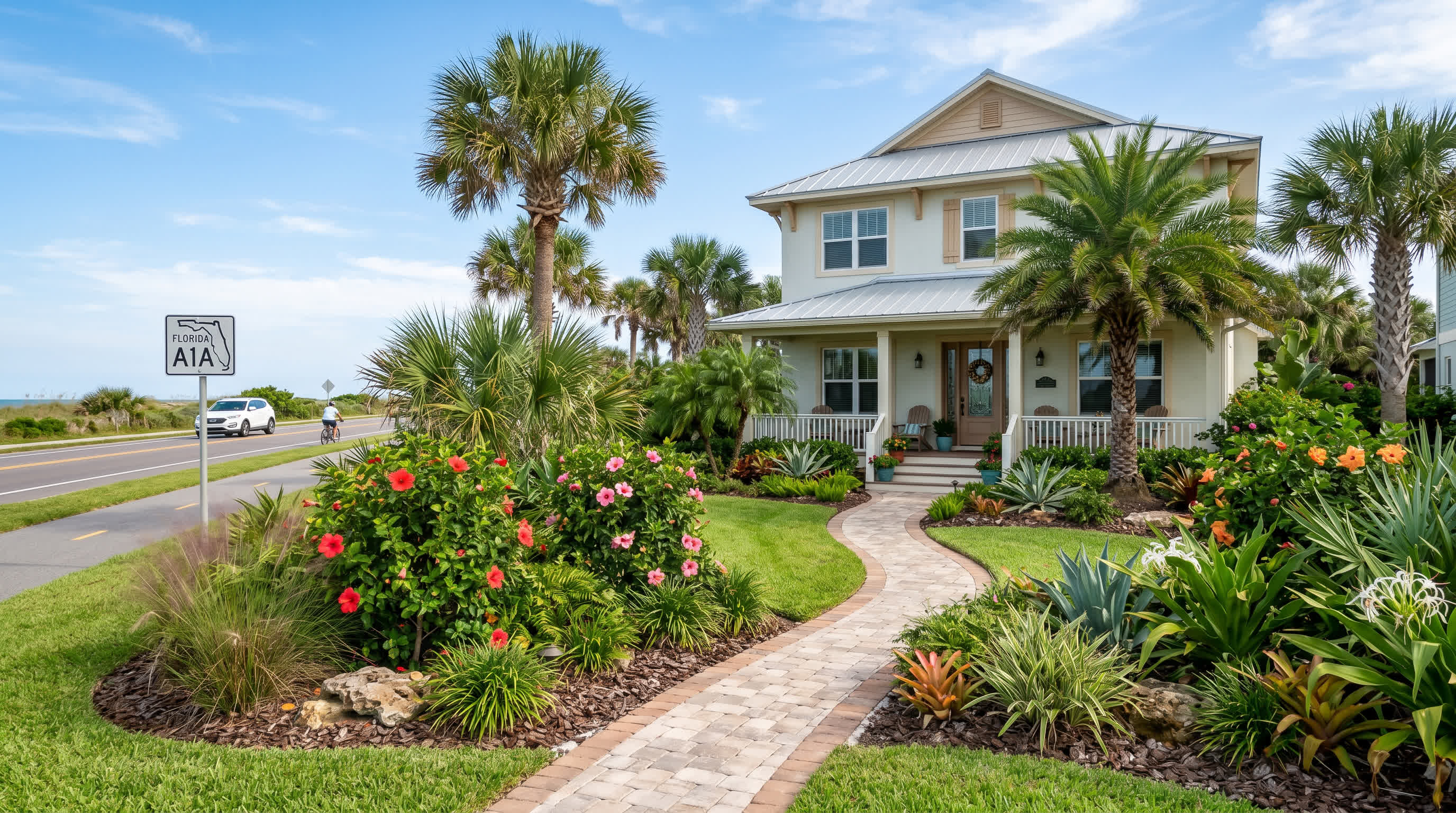
Tropical plants for sale in Beverly Beach and Marineland, FL: choose salt- and wind-tolerant palms, flowering shrubs, and privacy plants, with Northeast Florida delivery scheduling and distance-based delivery rate.
Key takeaways
- Choose salt- and wind-tolerant varieties first, then add color.
- Layer privacy: hedge + mid shrubs + repeating front-border plants.
- Use larger anchor plants for instant curb appeal and listing photos.
- Keep plant variety count low to make maintenance easier.
- Rinse salt off leaves after windy days to prevent burn.
- Schedule dump trailer delivery to stage plants for DIY or a landscaper.
Table of contents
- What are the best tropical plants for sale in this area?
- Which tropical plants handle salt wind near A1A?
- What should you plant for privacy on coastal lots?
- How do you plan a low-maintenance tropical bed?
- What plant sizes should you buy for instant curb appeal?
- How does delivery work and what does it cost?
What are the best tropical plants for sale in this area?
The best sellers for coastal Flagler County neighborhoods are durable palms, flowering color, and fast-growing privacy shrubs that tolerate wind and sandy soil.
- tropical plants for sale tropical plants for sale beverly beach marineland Florida
- palm trees delivery near A1A
- hibiscus and bougainvillea coastal yards
- privacy plants for sandy soil Flagler County
- low maintenance tropical landscaping near the beach
If you want a yard that looks “tropical” quickly, start with structure plants first: palms for height, then 2–3 medium shrubs for mass, and finish with color in the front. A simple recipe is 1–2 statement palms (foxtail, Christmas palm, or windmill palm for cold tolerance), 3–5 shrubs (clusia, viburnum, podocarpus, or cocoplum), and a repeat pattern of flowering plants like hibiscus plants and ixora.
For Beverly Beach, Marineland, and Flagler Beach specifically, wind exposure matters as much as sun. If your bed is on the ocean side of the house, choose tougher leaves and flexible stems; save tender “collector” plants for protected courtyards. If you’re unsure, take a quick photo of the space and we can recommend a short list that fits your light, wind, and budget when you schedule dump trailer delivery.
Which tropical plants handle salt wind near A1A?
Salt wind is the make-or-break factor near A1A, so pick plants with thick leaves, waxy coatings, or naturally beach-adapted growth.
- salt tolerant tropical plants Flagler Beach
- wind resistant palms near the ocean Florida
- coastal shrubs for A1A landscaping
- drought tolerant tropical plants sandy soil
- tropical plants for beachfront rental landscaping
For palms, foxtail and Christmas palms look great but do best with some protection; windmill palm and sabal palm handle cold snaps better and keep their shape in gusts. For shrubs, cocoplum and clusia are popular because they shrug off salt spray and can be pruned into clean hedges. For groundcover, beach sunflower and dune-friendly grasses keep beds stable and reduce sand movement.
Maintenance tip: rinse salt off leaves with irrigation after windy days and avoid high-nitrogen fertilizer during the hottest months. Salt plus heat can burn tender new growth. Mulch also matters; a 2–3 inch layer helps roots stay evenly moist, especially if you’re building beds with coquina shell accents (see our coquina shell options).
Do you deliver to Beverly Beach and Marineland?
Yes, Beverly Beach and Marineland are in our coastal delivery area. Delivery pricing depends on the drop location and access for the trailer.
What should you plant for privacy on coastal lots?
On coastal lots, the fastest way to feel private is a layered screen: taller hedge in back, medium shrubs in the middle, and repeating color in front.
- privacy hedge plants coastal Florida
- fast growing screen plants Flagler County
- privacy plants in Florida sandy soil
- tropical hedge for A1A homes
- evergreen shrubs for oceanfront yards
For the “back wall,” choose clusia, viburnum, podocarpus, or cocoplum depending on sun and how formal you want the look. Clusia and cocoplum tolerate salt well and can be kept dense. Podocarpus reads more "tropical-modern" and is easy to keep tidy. If you want flowering privacy, add bougainvillea on a fence (best in full sun), but expect more pruning.
Spacing is where people waste money. A hedge planted too far apart can take years to knit together; planted too tight can decline from competition. As a rule of thumb, 7–15 gallon shrubs planted 3–4 feet on center fill in quickly. If you’re on a budget, use smaller sizes but plant a little closer, and plan to thin later.
Need privacy fast? Tell us your fence length and sun exposure and we’ll recommend a simple hedge plan and pot sizes. Get a quick quote.
How do you plan a low-maintenance tropical bed?
A low-maintenance tropical bed is mostly about layout: fewer plant types, repeated patterns, and plants matched to your irrigation and sun.
- low maintenance tropical landscaping Flagler Beach
- easy care palms and shrubs Northeast Florida
- best mulch for tropical beds Florida
- irrigation tips for sandy soil gardens
- coastal yard plant plan simple design
Pick 5–7 varieties for the whole front yard and repeat them. Too many varieties means more pruning schedules and uneven growth. Use hardy “workhorse” plants for 80% of the bed and reserve 20% for seasonal color. If you’re starting from scratch, adding organic matter and top-dressing with mulch will do more than any fancy fertilizer program.
Also consider the homeowner reality: do you want to prune monthly, or a few times per year? Bougainvillea is gorgeous but can get thorny and wild; if you prefer easy care, lean on palms, clusia, and durable foliage plants. For shaded entries, use shade ferns and split-leaf philodendron in protected spots.
Are local tropical plants lower quality?
Not necessarily. “local” often means smaller pot sizes, in-season availability, or choosing durable varieties that grow fast in our climate.
What plant sizes should you buy for instant curb appeal?
If you want instant impact, buy a few larger “anchor” plants and fill the rest with mid-size shrubs and small color.
- 7 gallon vs 15 gallon tropical plants Florida
- instant curb appeal palms Flagler County
- best plant sizes for new landscaping
- landscape design staging plants delivery
- tropical plants for sale near me Flagler Beach
A practical budget approach is: 1–2 larger palms, 6–12 shrubs in 7–15 gallon size, and 18–36 small color plants for borders. This creates a layered look right away, and the smaller color plants mature quickly during the warm season.
For short-term rentals, this matters because photos drive bookings. A bed that looks sparse in year one doesn’t help your listing. If your goal is “ready for photos this month,” focus on big foliage and repeat plant masses; color can be swapped seasonally.
Can you deliver plants to a vacation rental while guests are out?
Yes, many owners schedule delivery mid-week. We can drop plants and place them in a staging area so your landscaper installs later.
How do you care for tropical plants after installation?
The first 21 days after planting matter more than the first 21 months: consistent watering, mulch, and avoiding shock keeps plants pushing roots into your native sand.
- how often to water new tropical plants Flagler Beach
- transplant shock prevention coastal Florida
- best mulch depth for palms and shrubs
- fertilizer schedule for tropical landscaping Northeast Florida
- protecting tropical plants from wind and salt spray
Watering: for in-ground installs, water deeply 3–4 times per week for the first two weeks, then taper to 2–3 times per week depending on rain and irrigation coverage. In sandy soil, short daily watering often runs past the roots; fewer, longer cycles encourage deeper rooting.
Mulch + edging: keep mulch 2–3 inches deep, pulled back an inch from trunks and stems. A crisp edge (rock, steel, or block) helps keep mulch where it belongs and reduces the “sandy blowout” look after windy days.
Fertilizer timing: wait 3–4 weeks before fertilizing new installs. Use a slow-release palm fertilizer for palms and a balanced slow-release for shrubs; too much nitrogen too soon can burn tender roots, especially with salt in the air.
Should I prune tropical plants right after planting?
Light cleanup is fine, but avoid heavy pruning for the first month. Let plants put energy into roots first; prune for shape once you see new growth and the plant is established.
How does delivery work and what does it cost?
We deliver tropical plants and materials by dump trailer to Northeast Florida beach communities, with transparent distance-based delivery rate by area.
- tropical plants delivery Flagler Beach
- plant delivery Beverly Beach Marineland
- dump trailer landscaping delivery near A1A
- same week plant delivery Northeast Florida
- bulk plants and materials delivered Flagler County
Most customers schedule delivery after confirming the plant list and pot sizes. We can coordinate an easy drop point, and you can install the same day or stage plants for your landscaper. If you’re also adding bed material like coquina shell, combine delivery for a smoother project timeline.
| Delivery area | delivery at $275 within 25 driving miles of St. Augustine, plus $2 per mile beyond 25 miles, counted both ways |
|---|---|
| St Augustine | Request a quote |
| Ponte Vedra | Request a quote |
| Palm Coast | Request a quote |
| Flagler Beach | Request a quote |
| Ormond Beach | Request a quote |
| Daytona Beach | Request a quote |
Not sure which zone you’re in? Send your address or nearest cross-street and we’ll confirm pricing and availability. You can also browse plant ideas on our tropical plants in St Augustine and Ponte Vedra tropical plants pages for inspiration.
What size plants look “finished” right away?
For instant curb appeal, go with 7–15 gallon shrubs, 3–6 ft palms, and mixed 1–3 gallon color plants for the beds. This balance looks established without blowing the budget.
FAQs
Do you offer delivery-only, or do you install plants too?
We focus on delivery and plant selection guidance. Many customers install themselves or work with a local landscaper; we can stage plants where your crew wants them.
What payment methods do you accept?
You can confirm availability and delivery by phone or text; payment options are discussed during scheduling and depend on the order size and delivery window.
How far in advance should I schedule delivery?
In season, 2–5 days is common. For larger orders or before holiday weekends, schedule a week ahead for the best time windows.
Can you help me choose plants for sun vs shade?
Yes. Tell us the hours of sun, wind exposure, and irrigation situation, and we’ll recommend varieties and pot sizes that fit your goals.
What if a plant looks stressed after delivery?
Most transplant stress is temporary. Water deeply for the first 2–3 weeks, avoid heavy pruning, and use mulch to keep roots cool; reach out if something declines quickly.
Do you deliver coquina shell or other bed materials too?
Yes, if you need bed top-dress like coquina shell, ask when scheduling so we can coordinate material and plant delivery.
What are the best cold-hardy tropical options for Northeast Florida?
Great “tropical look” plants that handle our occasional freezes include windmill palm, sabal palm, sago, hardy hibiscus, coontie, and many philodendrons in protected spots. For tender choices, use containers so you can move them during a hard freeze.
Can you help me match plants to my HOA rules?
Yes. If your HOA has height limits or approved-plant lists, share them and we’ll recommend varieties and spacing that achieve privacy or curb appeal while staying compliant.
Ready for plants delivered to your driveway?
Tell us your city, sun exposure, and what you’re trying to achieve (privacy, curb appeal, rental-ready landscaping). We’ll help you pick plant sizes and schedule delivery.