Tropical Plants for Sale for New Construction in Palm Coast FL
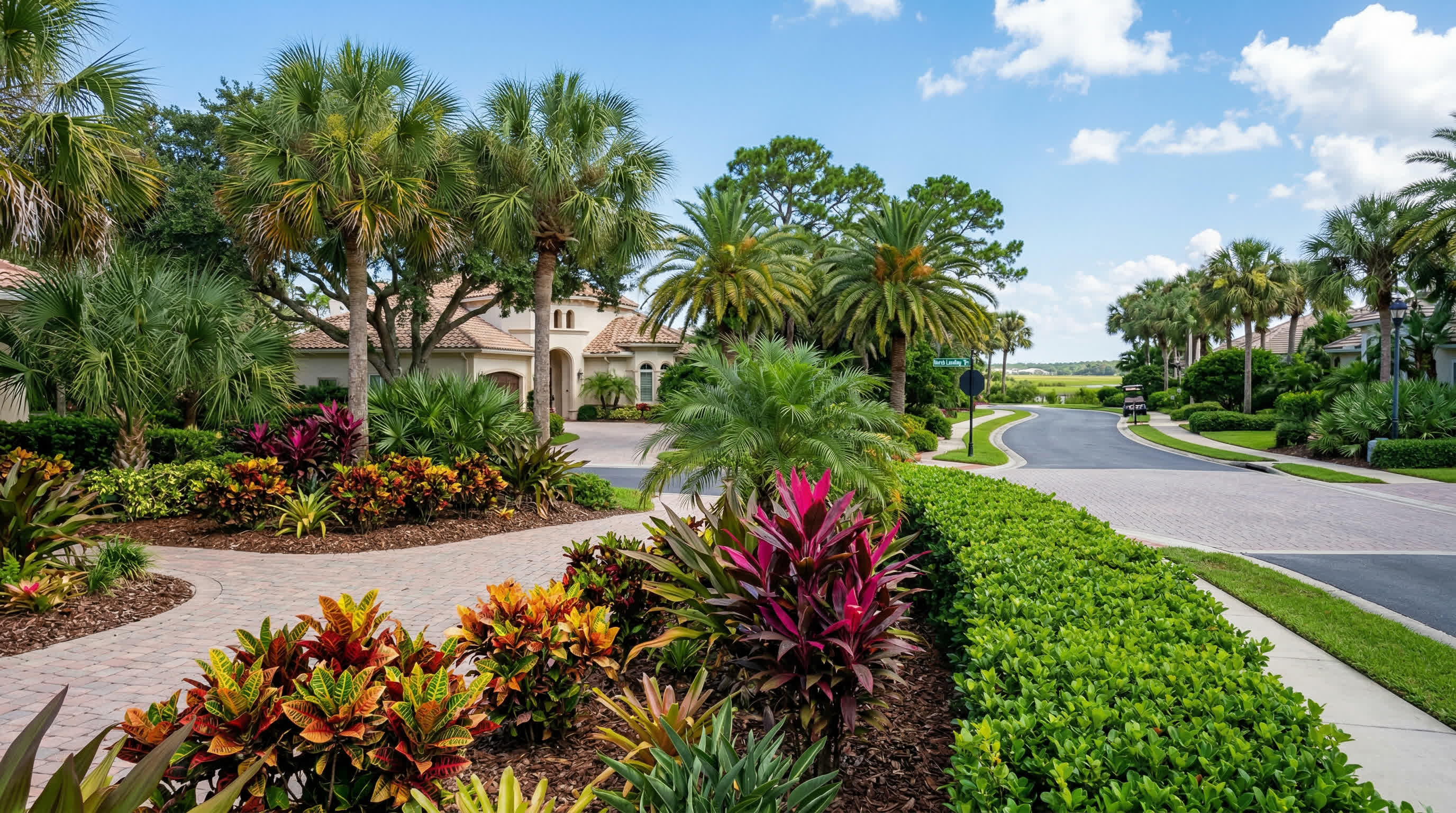
Quick answer: Tropical Plants for Sale for New Construction in Palm Coast FL are available for dump-trailer delivery, and the best picks depend on sun, salt exposure, and how fast you need privacy or shade. For most Palm Coast yards, start with one statement palm, one reliable screen, and a few flowering tropicals—then fill in with hardy texture plants so the landscape looks finished without constant replacements.
Key takeaways
- Start with 3–5 “anchor” plants (palm + screen + focal color) before buying fillers.
- Match plants to sun, irrigation, and salt/wind exposure to avoid costly replacements.
- Plan spacing for mature size—tight early spacing becomes high-maintenance later.
- Use mulch and soil conditioning to help tropical roots handle sandy Florida lots.
- Stage delivery so plants arrive close to installation day and get watered immediately.
- Ask about availability first—popular sizes and varieties change week to week.
Table of contents
- What tropical plants work best for new construction yards in Palm Coast?
- How do you fix builder-grade sand and low organic matter?
- What is the fastest way to get privacy on a new lot?
- What should you plant first: irrigation, sod, or tropical plants?
- How do HOA rules in Palm Coast affect tropical plant choices?
- How does delivery and placement work for new construction neighborhoods?
- Dump trailer delivery pricing (Northeast Florida)
- FAQ
What tropical plants work best for new construction yards in Palm Coast?
For most Palm Coast properties, the best tropical plants are the ones that match your sun exposure, salt exposure, and irrigation plan—so you get fast growth without constant replacements.
- tropical plants for sale Palm Coast
- palm trees delivery Palm Coast
- hibiscus and privacy hedges Palm Coast
- dump trailer plant delivery Palm Coast
- coastal tropical landscaping Palm Coast
In practice, we recommend picking 3–5 "anchor" plants first (a palm, a screen, and 1–2 flowering focal points), then building the rest of the bed with reliable fillers. This keeps your design consistent and avoids a yard that looks random six months later.
If you're building a plan from scratch, our guides on create a tropical yard and tropical plant care help you choose the right mix for Northeast Florida. Also, plan spacing for mature size—crowded tropical beds can look great early, but they become high-maintenance fast once plants touch and compete for water.
How do you fix builder-grade sand and low organic matter?
Builder-grade sand can grow tropicals, but you need organic matter, mulch, and consistent watering to keep roots cool and fed.
- tropical plants for sale Palm Coast
- palm trees delivery Palm Coast
- hibiscus and privacy hedges Palm Coast
- dump trailer plant delivery Palm Coast
- coastal tropical landscaping Palm Coast
In practice, we recommend picking 3–5 "anchor" plants first (a palm, a screen, and 1–2 flowering focal points), then building the rest of the bed with reliable fillers. This keeps your design consistent and avoids a yard that looks random six months later.
For screening, start with options featured in our privacy plants in Florida guide so the first plants you buy solve the biggest problem. Also, plan spacing for mature size—crowded tropical beds can look great early, but they become high-maintenance fast once plants touch and compete for water.
Can you deliver without me being home?
In most cases, yes. We can coordinate a drop location and you can place or plant after delivery.
What is the fastest way to get privacy on a new lot?
If privacy is the goal, start with the tallest, fastest-growing screen plants first—then fill in with color and texture later.
- tropical plants for sale Palm Coast
- palm trees delivery Palm Coast
- hibiscus and privacy hedges Palm Coast
- dump trailer plant delivery Palm Coast
- coastal tropical landscaping Palm Coast
In practice, we recommend picking 3–5 "anchor" plants first (a palm, a screen, and 1–2 flowering focal points), then building the rest of the bed with reliable fillers. This keeps your design consistent and avoids a yard that looks random six months later.
If you love color, mix in hibiscus plants and bougainvillea colors in protected spots for long bloom seasons. Also, plan spacing for mature size—crowded tropical beds can look great early, but they become high-maintenance fast once plants touch and compete for water.
Want a quote today? Tell us your address and the plants you're considering and we'll confirm availability and delivery pricing.
What should you plant first: irrigation, sod, or tropical plants?
The right approach is a simple plan: pick your anchor plants, confirm spacing, and stage delivery so installation day runs smoothly.
- tropical plants for sale Palm Coast
- palm trees delivery Palm Coast
- hibiscus and privacy hedges Palm Coast
- dump trailer plant delivery Palm Coast
- coastal tropical landscaping Palm Coast
In practice, we recommend picking 3–5 "anchor" plants first (a palm, a screen, and 1–2 flowering focal points), then building the rest of the bed with reliable fillers. This keeps your design consistent and avoids a yard that looks random six months later.
If freezes worry you, choose varieties from our cold-hardy tropical plants list and place them near walls and wind breaks. Also, plan spacing for mature size—crowded tropical beds can look great early, but they become high-maintenance fast once plants touch and compete for water.
What sizes do you carry?
Commonly 3–7 gallon shrubs and 15–25 gallon statement plants, plus palms and hedging sizes depending on availability.
How do HOA rules in Palm Coast affect tropical plant choices?
HOA rules usually focus on mature height, setbacks, and plant appearance, so choosing tidy, predictable varieties avoids rework.
- tropical plants for sale Palm Coast
- palm trees delivery Palm Coast
- hibiscus and privacy hedges Palm Coast
- dump trailer plant delivery Palm Coast
- coastal tropical landscaping Palm Coast
In practice, we recommend picking 3–5 "anchor" plants first (a palm, a screen, and 1–2 flowering focal points), then building the rest of the bed with reliable fillers. This keeps your design consistent and avoids a yard that looks random six months later.
Palms are usually the easiest "instant tropical" upgrade—browse our palm trees page to compare styles and sizes. Also, plan spacing for mature size—crowded tropical beds can look great early, but they become high-maintenance fast once plants touch and compete for water.
Do you help pick plants for sun vs. shade?
Yes—tell us your sun exposure, salt exposure, and irrigation plan and we'll recommend options that match your site and budget.
How does delivery and placement work for new construction neighborhoods?
The right approach is a simple plan: pick your anchor plants, confirm spacing, and stage delivery so installation day runs smoothly.
- tropical plants for sale Palm Coast
- palm trees delivery Palm Coast
- hibiscus and privacy hedges Palm Coast
- dump trailer plant delivery Palm Coast
- coastal tropical landscaping Palm Coast
In practice, we recommend picking 3–5 "anchor" plants first (a palm, a screen, and 1–2 flowering focal points), then building the rest of the bed with reliable fillers. This keeps your design consistent and avoids a yard that looks random six months later.
Also, plan spacing for mature size—crowded tropical beds can look great early, but they become high-maintenance fast once plants touch and compete for water.
A simple 30-day planting plan for Palm Coast new construction
If you want the yard to look “done” quickly, follow a 30-day plan: stabilize irrigation, plant the biggest structural plants first, then finish with color and groundcovers. This keeps you from wasting money on small plants that get buried by sod work or construction cleanup.
- Palm Coast new construction landscaping plants
- fast privacy plants Palm Coast FL
- tropical plants for sandy lots Palm Coast
- dump trailer plant delivery Palm Coast
- HOA-friendly tropical plants Palm Coast
Days 1–7: verify water and drainage. Before you buy anything, run your irrigation zones and watch where water pools. New lots often have compacted sand and low spots that stay wet after rain. If you plant first and fix drainage later, you can lose expensive plants to root stress.
Days 8–14: plant anchors. Put in your statement palm(s) and your privacy screen plants first so everything else can be spaced around them. This is also when you decide where the shade will fall in 12–24 months, which matters for understory plants.
Should I wait until the house is finished to plant?
If heavy equipment is still driving through the yard, wait on anything delicate. But you can often start with perimeter screens and a few tough anchors as long as they’re protected from traffic and you can water them.
Days 15–30: finish with color and texture. Once the big plants are in, add flowering tropicals like hibiscus in protected spots, then fill gaps with reliable texture plants. If you’re adding sod, keep a clean edge and avoid piling sod soil against plant trunks.
Most failures on new construction lots come down to two things: inconsistent watering and soil that heats up like a beach. A thick mulch layer and simple watering schedule (even temporary hoses) can bridge the first 6–10 weeks until everything establishes.
Dump trailer delivery pricing (Northeast Florida)
Delivery is flat-rate by area, and we coordinate drop placement so your plants arrive ready to stage for planting.
| Delivery area | Flat-rate price |
|---|---|
| St. Augustine | $250 |
| Ponte Vedra | $275 |
| Palm Coast | $300 |
| Flagler Beach | $300 |
| Ormond Beach | $350 |
| Daytona Beach | $375 |
Common mistakes to avoid on new construction lots
The biggest mistake is buying plants before you understand your site conditions. New construction yards often have inconsistent irrigation coverage, leftover construction debris under thin topsoil, and compacted sand that sheds water instead of soaking it in.
- new construction landscaping mistakes Palm Coast
- how to water new tropical plants Florida
- best mulch for Palm Coast new homes
- privacy hedge spacing Palm Coast
- tropical plants Palm Coast HOA approved
Avoid planting too close to the house. Keep a clear inspection/mulch buffer from siding and foundations, and leave space for maintenance. Plants that are too close become pruning problems, and that’s when HOA complaints start.
Don’t under-size your privacy plan. If you need screening, plant enough volume early (either bigger pot sizes or denser spacing) so you don’t spend two years staring at gaps. The cheapest plant is the one you don’t have to replace.
Finally, protect new plants during the first heat wave. If you plant in spring or summer, assume you’ll have a 7–10 day stretch of hot, windy weather. A consistent watering routine and fresh mulch during that period matters more than fertilizer.
FAQ
What areas do you deliver tropical plants to?
We deliver across Northeast Florida including St. Augustine, Ponte Vedra, Palm Coast, Flagler Beach, Ormond Beach, and Daytona Beach.
How much is dump-trailer delivery?
Delivery is flat-rate by area (see the table in this post).
Can you recommend plants for salt and wind?
Yes. Coastal sites do best with salt-tolerant species and tighter, wind-resistant forms, plus proper soil prep and irrigation.
Do you sell privacy hedges?
Yes—privacy screens are one of the most common requests, and we can suggest options based on sun and height goals.
How soon can you deliver?
Timing depends on plant availability and route scheduling, but same-week delivery is often possible.
Do you install plants?
We focus on supplying plants and materials with delivery. If you need installation, we can suggest how to prep and stage for your installer.