2026-04-07
Tropical Plants for Sale for New Homeowners in St. Augustine — Starter Landscaping Packages
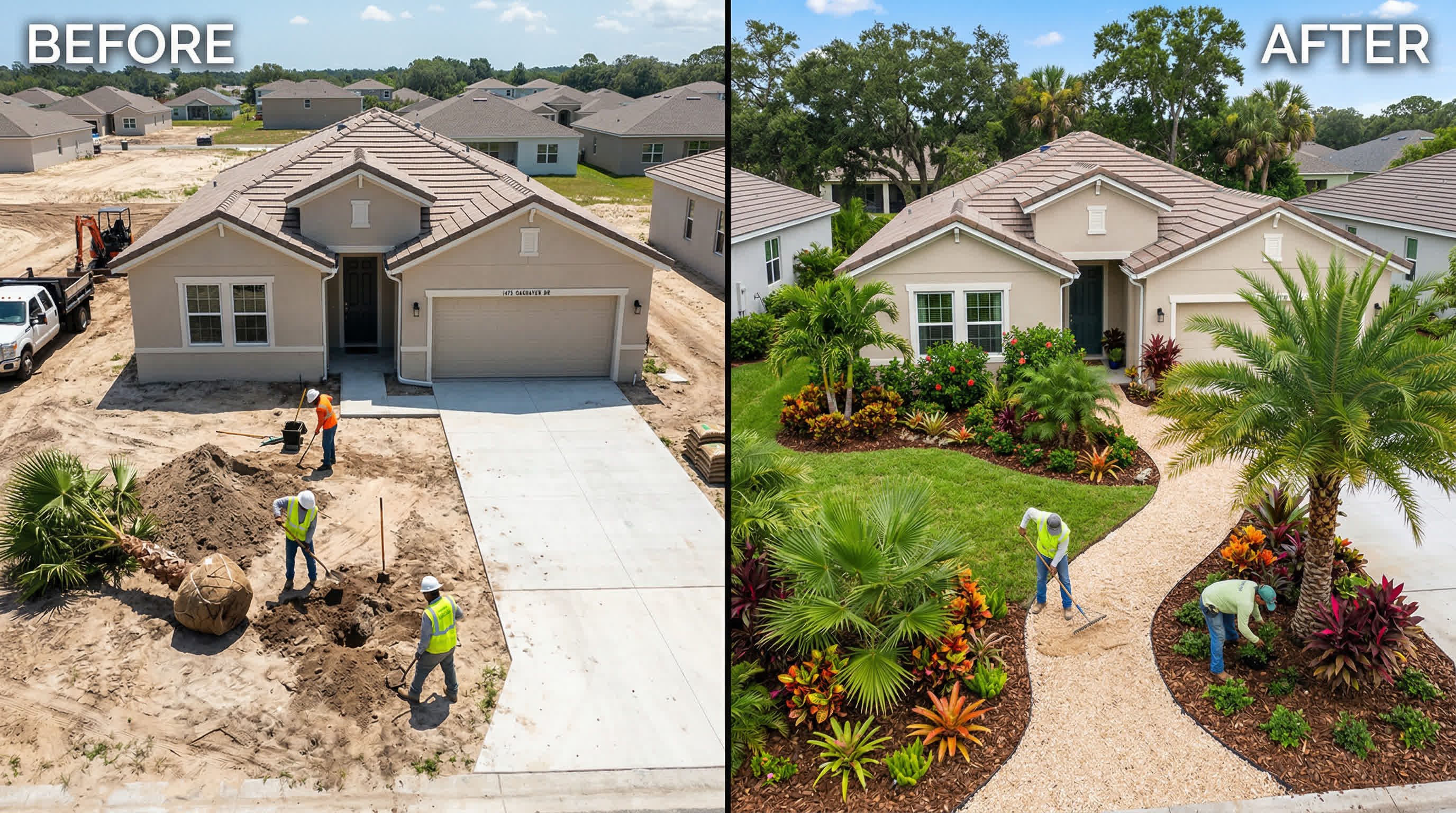
Welcome to Tropical Homeownership in St. Augustine
You've just bought your first home in St. Augustine — congratulations. Now you're standing in the backyard looking at a patch of sod, some scraggly builder-grade shrubs, and potentially a few bare beds left by the previous owners, wondering: where do I even start? How do I create the lush, tropical look I see in the nicer neighborhoods without blowing my post-closing budget? And which plants are actually going to survive here year after year without me becoming a full-time gardener?
These are the right questions to ask. St. Augustine's climate is a genuine gift for homeowners who love tropical plants — Zone 9a/9b means year-round growing, mild winters in most years, and a plant palette that includes palms, hibiscus, bougainvillea, bird of paradise, and dozens of other tropicals that simply aren't possible in most of the country. But it's also a climate with specific quirks: sandy, nutrient-poor soil in most neighborhoods; occasional hard freezes that can damage cold-sensitive tropicals; intense summer heat and humidity; and hurricane season to plan around.
This guide is specifically written for first-time homeowners in St. Augustine who want to build a beautiful tropical yard on a realistic budget, without the mistakes that cost money and frustration. We'll cover beginner-friendly starter plants, phased planting plans, what everything costs, and the specific errors that most new homeowners in this area make — and how to avoid them.
First: Understand Your Yard Before You Buy Anything
The single most common and costly mistake new St. Augustine homeowners make is buying plants before they understand their yard's conditions. Spend 30 minutes assessing these four factors before purchasing a single plant:
Sunlight Mapping
Walk your yard at three different times: 9am, 12pm, and 4pm. Note which areas receive direct full sun at each time. Areas with 6+ hours of direct sun are "full sun" — the habitat for most tropical showstoppers like hibiscus, bougainvillea, palms, and bird of paradise. Areas with 3–5 hours are "partial shade" — good for ferns, some gingers, and filtered-light tropicals. Deep shade (under a mature live oak or in a north-facing bed) requires shade specialists. Buying full-sun plants for a shady spot or vice versa is a sure path to dead plants.
Drainage Test
Dig a hole 12 inches deep and fill it with water. If it drains within 1–2 hours, you have well-drained soil — typical for St. Augustine's sandy conditions. If water sits for 4+ hours, you have a drainage problem that will cause root rot in most tropicals. Poorly drained areas need raised beds, amended soil, or plant species specifically suited to wet conditions before you invest in tropical plants.
Your Hardiness Zone
St. Augustine straddles Zones 9a and 9b. Coastal areas and the Historic District are typically 9b (minimum temperature 25–30°F), where more tender tropicals survive. Inland areas — World Golf Village, northwest St. Johns County, Switzerland — are Zone 9a (20–25°F) with harder freezes every several years. Knowing your zone determines which "risky" tropicals you can safely invest in vs. which require cold protection or should be avoided entirely.
HOA Restrictions
Many St. Augustine communities — especially in Nocatee, World Golf Village, Palencia, and newer master-planned neighborhoods — have HOA landscaping guidelines. Some specify which plants are approved for front yards, require minimum tree sizes, or restrict certain species. Review your HOA guidelines before purchasing plants for visible front-yard areas. The back yard typically has more latitude.
Starter Package: The $800–$1,200 Foundation
For most new homeowners, the sweet spot for a first tropical landscape investment is $800–$1,200 for plant material, not including delivery. This budget can establish a meaningful foundation across your front beds with immediate curb appeal, without putting you underwater post-closing. Here's how we'd allocate it:
Anchor: One or Two Palms ($80–$150)
Every tropical St. Augustine yard needs at least one palm tree as an anchor. For a $25.99–$50 entry price, a sabal palm, windmill palm, or pindo palm planted in a focal position — front center yard, beside the driveway, or flanking the front entrance — starts building the visual framework that every other plant hangs off. Palms also grow over time without your help, so your early investment appreciates in landscape value each year. Two palms flanking a front entry is a classic and effective starting composition.
Color Layer: 4–6 Hibiscus or Bougainvillea ($110–$165)
From $26.99, hibiscus and bougainvillea are the fastest path to a visually impactful tropical yard. Plant 4–6 hibiscus in your sunniest foundation beds for a long-season flowering display that will make your house stand out on the block within one growing season. Alternatively, use bougainvillea on a fence line or trellis for a dramatic vertical color statement. Mixing hibiscus colors — red, orange, yellow, pink — creates a layered tropical effect even with just a few plants.
Texture and Fill: 4–6 Tropical Shrubs ($100–$200)
Round out your beds with structural tropical shrubs that provide year-round foliage interest: crotons (vivid yellow, orange, red leaves), ixora (compact with clusters of tubular flowers), plumbago (blue flowers that butterflies love), or firebush (native, hummingbird magnet, drought-tolerant). These mid-layer plants fill gaps between palms and hibiscus and create a layered, full look rather than spotty isolated specimens.
Ferns for Shaded Areas ($70–$140)
Every St. Augustine yard has at least one shaded area — under a tree, beside the house on the north side, or a covered patio corner. Large ferns from $17.99 are the answer. Boston ferns, Macho ferns, Kimberly Queen ferns — these fill shade beds with lush green tropical mass. They're forgiving, fast-growing, and the look of a large fern in a shaded corner says "tropical garden" immediately.
Ground Cover: Coquina Shell or Mulch
Finishing your beds with ground cover is the step that transforms scattered plants into a landscaped yard. Coquina shell at $145/yard is our recommendation for St. Augustine homeowners — it stays beautiful for years without annual replacement, drains perfectly in sandy soil, and has a coastal aesthetic that complements the city's character. A typical small front bed (100–150 sq ft) needs about 1 yard of coquina. Alternatively, standard mulch is cheaper upfront but needs replacement annually.
Phased Planting Plan: Years 1–3
One of the best pieces of advice for new homeowners is to treat landscaping as a phased investment rather than trying to do everything at once. Here's a realistic three-year plan for building a beautiful St. Augustine tropical yard without overspending in year one:
Year 1: Foundation and Framework ($800–$1,500)
Focus on permanent structural plants that establish slowly and build value over time. Plant your palms, your primary anchor shrubs, and finish your most visible beds with coquina shell. This year establishes the "bones" of your landscape — the elements that will still be there in 20 years. Don't worry about filling every inch; focus on placing the big plants correctly and giving them space to grow. The gaps will fill in.
Year 2: Filling In and Color ($500–$1,000)
In year two, your palms and anchor plants have started establishing and showing new growth. Now you can fill gaps with secondary plantings — more hibiscus, additional color layer shrubs, ferns for shade areas, and ground-level flowering plants. You also have better data now: you know which spots get more sun than you thought, where the drainage issues are, and which plants from year one are thriving. Year two shopping is smarter because you're shopping based on evidence.
Year 3: Polish and Personalization ($400–$800)
By year three, your landscape has real presence. Year three is for refinement: adding interesting specimen plants you've been researching (bird of paradise, bromeliads, heliconias), upgrading any plants that didn't perform as hoped, adding a water feature or garden art, and finishing the last beds. At this point you're spending on enjoyment rather than necessity — the hard work of establishing a foundation is done.
The 7 Most Common Landscaping Mistakes New St. Augustine Homeowners Make
1. Buying Plants Before Understanding the Zone
Coconut palms look stunning but reliably die in St. Augustine's hard freeze events. The 1989 Christmas freeze wiped out every coconut palm in the region. Buying cold-sensitive tropicals for zone 9a without protection planning is a waste of money. Stick to zone-appropriate species (pindo palm, sabal palm, windmill palm, hibiscus, bougainvillea) that are proven performers in Northeast Florida's climate.
2. Planting Too Close to Structures
New homeowners consistently underestimate how large tropical plants get. A bougainvillea planted 2 feet from the house will eventually damage the siding. A palm planted under an eave will outgrow the space. Palms need 5–8 feet minimum clearance from structures; large shrubs need 3–5 feet. Space things based on mature size, not how they look on day one.
3. Ignoring the Establishment Period
Even drought-tolerant tropical plants need regular watering for the first 90 days after planting. Florida's sandy soil dries out quickly and new root systems haven't established enough to access deep moisture. The majority of plant deaths in the first year come from neglected establishment watering — not drought tolerance failure. Set a calendar reminder to water new plantings at least 3 times per week for the first 12 weeks.
4. Using Wood Mulch Against the Foundation
Florida has one of the highest subterranean termite pressures in the country. Wood mulch placed directly against your home's foundation is an open invitation for termites. Always maintain a 6-inch gap between any organic mulch and your foundation, or use coquina shell for foundation beds — coquina provides no food or moisture habitat for termites and is a much safer choice for foundation planting areas.
5. Buying Plants Without Checking Mature Size
The nursery tag says "compact shrub" but in Florida's growing conditions, plants routinely reach double or triple their listed mature sizes. A croton listed at "3–4 feet" can easily hit 6–8 feet in good conditions. Research your plant's realistic mature size in Zone 9, not its Northern performance, and space accordingly.
6. Planting in Summer Without Extra Irrigation
The best planting windows in St. Augustine are fall (October–November) and spring (March–May). Summer planting is possible but requires more intensive establishment watering because evaporation is high and plants are under more stress. If you must plant in summer, water every other day for the first two weeks, then reduce to three times per week.
7. Spending the Entire Budget on Plants and Skipping Ground Cover
A bed of excellent plants surrounded by bare soil or patchy weedy mulch looks unfinished regardless of the plant quality. Budget for ground cover — whether coquina shell or quality mulch — as part of your plant purchases. The finished, polished look requires the complete picture: plants, ground cover, and clean edges.
Starter Plant Pricing at Tropical Yards
| Plant Type | Starting Price | Best For |
|---|---|---|
| Ferns (Boston, Macho, Kimberly Queen) | From $17.99 | Shade beds, patio areas |
| Palm Trees (Sabal, Windmill, Pindo) | From $25.99 | Anchor specimens, entry plantings |
| Hibiscus (multiple colors) | From $26.99 | Color beds, foundation plantings |
| Bougainvillea (multiple colors) | From $26.99 | Fences, trellises, specimen color |
| Tropical shrubs (crotons, ixora, plumbago) | Varies by species | Texture and fill layers |
| Coquina Shell | $145/yard | All bed finishing, driveway edging |
Delivery Pricing for New Homeowners
Tropical Yards delivers throughout Northeast Florida via 14-ft dump trailer. Delivery fees are flat-rate — no matter how many plants you order, the delivery charge stays the same. This makes it economical to plan a complete first-year plant order and have everything delivered in a single trip.
| Delivery Area | Flat Delivery Fee |
|---|---|
| St. Augustine (all neighborhoods) | $250 |
| Ponte Vedra Beach | $275 |
| Palm Coast / Flagler Beach | $300 |
| Ormond Beach | $350 |
| Daytona Beach | $375 |
The flat delivery fee means your first-year plant order of $800–$1,200 in plants plus $250 delivery totals around $1,050–$1,450 for a complete foundation landscape — a fraction of what you'd pay a landscaping contractor for design, labor, and plant markup. For help planning your order, call 772-267-1611 or email sleuthdesigner@gmail.com. We're happy to walk through your yard dimensions, sun/shade conditions, and budget to suggest a starting plant list. See our full tropical plant selection and delivery information.
Starting Your First Tropical Yard?
Call Tropical Yards for expert plant recommendations, starter package pricing, and same-day delivery in St. Augustine.
Frequently Asked Questions
What are the easiest tropical plants for beginners in St. Augustine?
The most forgiving, beginner-friendly tropical plants for St. Augustine yards are: sabal palm (virtually indestructible), hibiscus (fast-growing, heavy-blooming), lantana (zero maintenance, drought-tolerant), bougainvillea (thrives on neglect once established), and large ferns for shade areas. These plants tolerate the learning curve of new homeownership without punishing small mistakes in watering or fertilizing.
How much should a new homeowner budget for landscaping in St. Augustine?
A realistic first-year budget for plants and ground cover (not including labor) is $800–$1,500 for a small to medium front yard. A full-yard tropical transformation — front and back — typically runs $3,000–$6,000 in materials. Many new homeowners phase the work over 2–3 years, which makes the investment more manageable while still building a beautiful result. St. Augustine landscaping cost guide: small refresh $800–$1,500, medium makeover $3,000–$6,000, full-yard transformation $8,000–$20,000+.
When is the best time to plant tropical plants in St. Augustine?
The ideal planting windows are fall (October through November) and spring (March through May). Fall planting gives root systems time to establish through the mild winter before the stress of summer heat. Spring planting benefits from warming temperatures and the beginning of Florida's rainy season, which reduces establishment irrigation needs. Summer planting is possible but requires more irrigation attention due to high evaporation rates.
Do I need to fertilize tropical plants in St. Augustine?
Yes. St. Augustine's sandy soil is low in nutrients and doesn't retain fertilizer well. Most tropical plants benefit from a slow-release fertilizer application 2–3 times per year (spring, midsummer, fall). Palms specifically need a palm fertilizer with micronutrients including manganese, magnesium, and iron — standard garden fertilizers can cause deficiency symptoms in palms. Ask us for fertilizer recommendations when you pick up your plants.
Can I grow hibiscus and bougainvillea year-round in St. Augustine?
Yes. Both hibiscus and bougainvillea are hardy enough for St. Augustine's typical winters. Hibiscus may slow blooming in winter but doesn't die back. Bougainvillea may drop leaves in a hard freeze but reliably returns from established roots. Both bloom prolifically from spring through fall and are excellent long-term investments for Zone 9a/9b. Starting from $26.99 at Tropical Yards.
Should I use coquina shell or mulch for my first yard in St. Augustine?
For most new homeowners in St. Augustine, coquina shell is the better long-term choice, despite the higher upfront cost. At $145/yard, coquina shell lasts for years without replacement (saving $150–$200 per year in re-mulching), doesn't blow away in wind or wash out in rain, drains perfectly in Sandy Florida soil, and looks beautiful year after year. Mulch is cheaper initially but becomes a recurring expense. For foundation beds especially, coquina shell is far safer — wood mulch against a foundation attracts termites, while coquina shell does not. See our coquina shell page for more.