Store Coquina Shell Before Spreading in Daytona Beach, FL
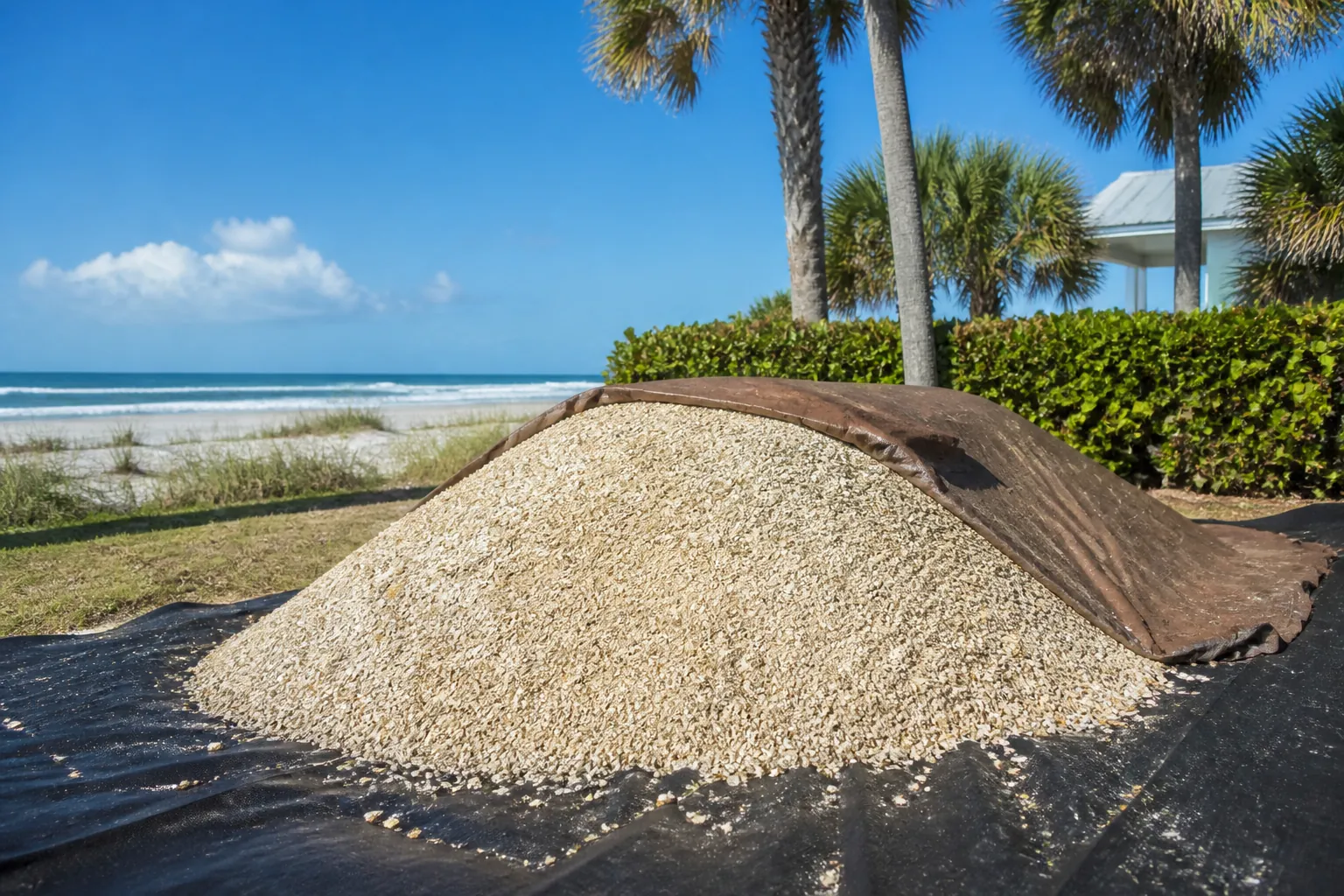
For storing coquina shell before spreading, choose a firm, level spot near your work area. Keep the pile clear of drains, traffic, and plant beds. Use a suitable ground barrier to limit soil mixing. In Daytona Beach, plan for rain and wind, and confirm the unloading spot before delivery.
Where should you store coquina shell before spreading?
Store shell on firm, level ground close to where you'll spread it. Leave clear paths for people, tools, and unloading. Use the coquina shell driveway guide to frame your project needs. Then review coquina shell delivery site readiness before choosing a stockpile spot that the delivery vehicle can reach.
The best spot limits extra handling without blocking your home. A pile beside the work area may save steps later. Yet it still needs room for a wheelbarrow to turn. Mark both the pile space and the route you'll use.
Avoid low spots where rainwater collects or crosses the yard. Keep shell away from drain openings and roadside flow paths. Don't use a street, sidewalk, or shared access lane without checking the rules. Ask the local authority if the space is outside your property.
Keep the pile clear of plant stems and exposed roots. Shell storage can block routine care and bury parts of nearby beds. UF IFAS Extension's St. Johns County horticulture fact sheets offer regional plant care guidance. Check plant needs separately from your material storage plan.
Don't assume a paved surface can support every load. Its condition, buried features, and the delivery vehicle all matter. A cover protects cleanliness, not the strength of the ground beneath it. Ask a qualified professional about any surface or buried structure you aren't sure about.
A small sketch helps test the layout before delivery day. Show gates, parked cars, planting beds, and the planned shell area. Include the path from the stockpile to the project. If that path is awkward, choose a better spot now.
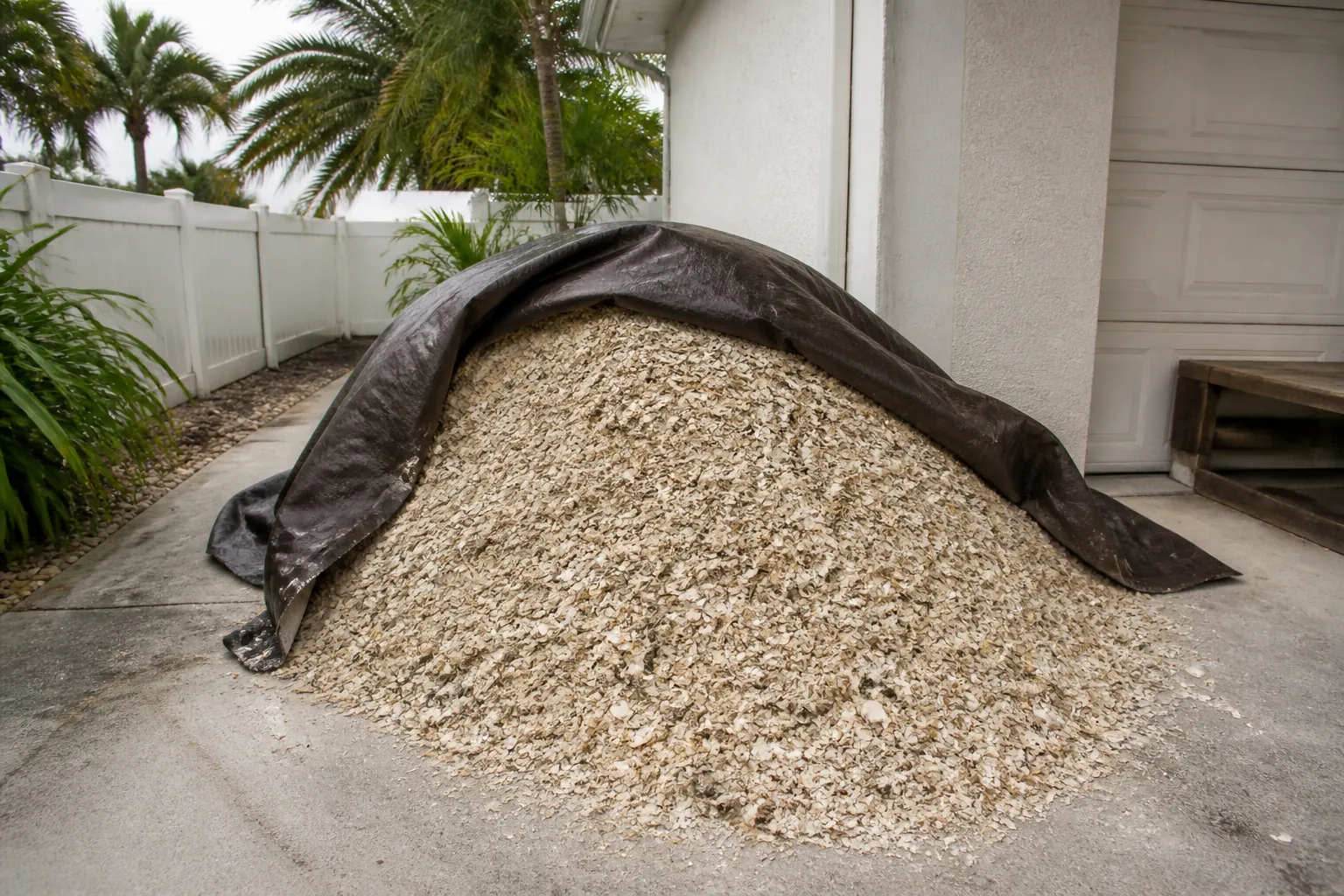
How do you prepare the stockpile spot?
Clear loose debris, choose a ground barrier, and mark the pile boundary before delivery. Preparation helps keep soil and yard waste out of your shell. Check coquina shell material specifications for material details. Pair that review with coquina shell delivery site readiness so the storage setup fits the planned unload.
Start by looking at the spot after rain, if possible. A dry-looking patch may still collect runoff during a shower. Check for soft soil, puddles, and nearby drain routes. If the ground is wet or unstable, discuss another spot before unloading.
Remove sticks, leaves, litter, and loose items from the area. Don't scrape or dig near unknown buried lines or systems. If your preparation calls for digging, check local utility marking requirements first. Keep the storage plan simple when ground conditions are unclear.
Choose a barrier that suits the surface and the load. A tarp can help separate shell from soil, but it can tear. Check its size and condition before use. Plan how you'll reach its edges once shell covers the middle.
Use these checks to prepare the area before the truck arrives.
- Clear loose yard waste without disturbing unknown buried lines or nearby plant roots.
- Lay the ground barrier flat and remove folds from the loading area.
- Mark the intended pile boundary where the delivery driver can see it.
- Leave a clear wheelbarrow route between the stockpile and your work area.
- Keep gates, doors, drains, and routine household access free of stored material.
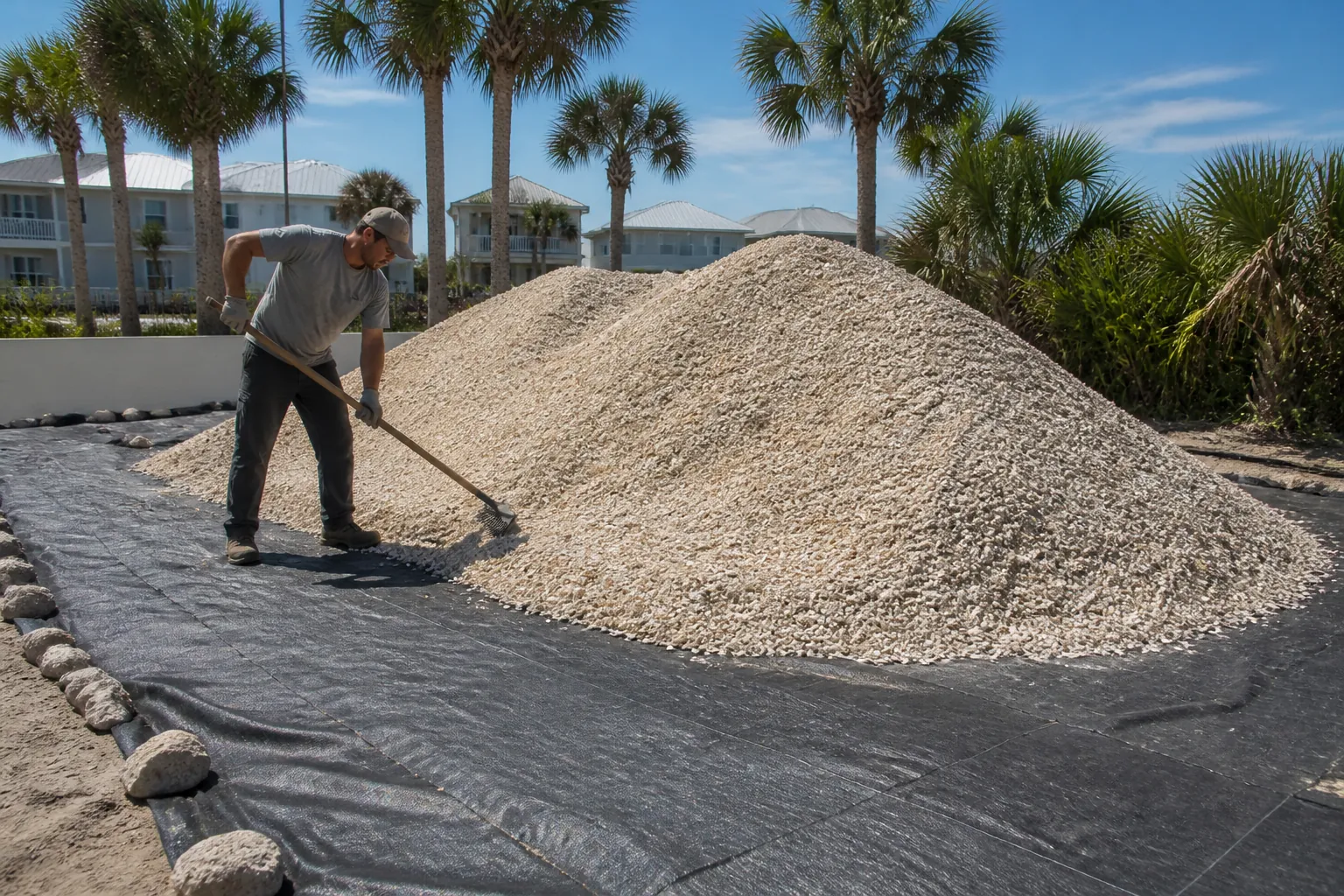
What ground cover should you use beneath stored shell?
Choose a ground cover based on the surface, storage period, and cleanup needs. No single cover suits every pile. Review coquina shell material specifications before selecting a barrier. For the finished use, the coquina shell driveway guide can help you keep storage choices separate from the driveway base plan.
The layer beneath a temporary pile serves a limited role. It helps keep shell separate from soil and debris. It isn't a substitute for a planned driveway or path base. Keep temporary storage materials separate from the layers your finished project may need.
On bare soil, a sound barrier may reduce dirt mixing during pickup. On paving, it may make cleanup easier. Neither use removes the need to check the surface first. Dragging a loaded tarp can tear it and scatter shell.
A top cover and a ground barrier do different jobs. The bottom layer separates materials. The top layer helps limit leaves and other windblown debris. If you use both, plan access so you can uncover only the area you're working from.
Compare the tradeoffs below, then confirm the unloading method with the supplier. Don't buy a cover based on pile size alone. Think about sharp edges, foot traffic, folds, and how you'll remove the last shell.
| Storage setup | Main use | What to check |
|---|---|---|
| Sound tarp over firm ground | Separates shell from soil | Tears, folds, and edge access |
| Bare soil without a barrier | Avoids a separate cover | More risk of soil mixing |
| Existing paved area | Offers a defined work surface | Surface condition and load suitability |
| Top cover over the pile | Limits falling leaves and debris | Secure edges and trapped water |
How should delivery fit your storage plan?
Choose the unloading spot before ordering, then confirm that the supplier can use it. Tropical Yards offers dump trailer delivery of plants and coquina shell from St. Augustine to Daytona Beach. Review coquina shell delivery site readiness and coquina shell material specifications before discussing your load and site access.
A convenient pile location may still be hard to reach. Gate width, turns, parked vehicles, and overhead obstacles can affect access. Tell the supplier about these features before delivery. Don't assume a truck can follow the route of a passenger car.
Describe the ground at the proposed unloading spot. Mention slopes, recent wet ground, and features beneath or beside it. Photos may help explain the layout if the supplier accepts them. They don't replace the driver's assessment of conditions on arrival.
Be clear about what you are buying and handling yourself. Tropical Yards supplies plants and coquina shell with dump trailer delivery. It does not provide yard design, installation, maintenance, trimming, or cleanup. Arrange your own labor and tools for moving and spreading the shell.
If the project date may change, discuss storage before placing the order. You may prefer delivery closer to your work date. Confirm current scheduling and load details directly rather than assuming a later change is available.
Have these details ready when you discuss the drop location.
- Describe the proposed unloading surface and any known soft or wet areas.
- Explain gate openings, tight turns, overhead obstacles, and shared access points.
- Identify a second storage spot to discuss if the first proves unsuitable.
- Confirm who will meet the driver and point out the agreed area.
How do you protect a shell pile during rain or wind?
Plan for water flow and loose covers before bad weather arrives. Keep shell away from drains, and secure storage covers without creating trip hazards. Use coquina shell delivery site readiness when weather affects access. Review coquina shell material specifications if you have questions about the material you're storing.
Rain can carry soil and yard debris toward a pile. The first defense is a well-chosen spot away from runoff. A cover won't fix a poor location in a drainage path. Don't block or redirect public drainage to protect stored shell.
Look for water collecting on a top cover after rain. Avoid pulling a heavy, water-filled cover toward yourself. Adjust your setup only when conditions allow safe work. Keep children and pets away while you handle wet covers or loose material.
Loose tarp edges can catch wind or become trip hazards. Follow the cover maker's instructions for fastening and use. Keep tie-downs out of walking paths. Don't rely on scattered tools or unstable objects to hold a cover in place.
For severe weather, follow National Weather Service hurricane safety planning guidance. Check official forecasts and prepare before conditions worsen. Personal safety takes priority over protecting a material pile. Don't go outside during hazardous weather to fix a tarp or move shell.
If delivery is still pending, contact the supplier about weather concerns. Ask how site conditions may affect the planned unload. After heavy rain, inspect your access route from a safe location. Report soft ground or blocked access before a delivery attempt.
How do you keep stored shell clean and easy to move?
Keep yard waste, soil, and other bulk materials away from the pile. Use clean tools and a clear route when moving shell. Check coquina shell material specifications if its appearance raises questions. Refer to the coquina shell driveway guide for the broader project context before you start spreading.
Keep potting soil, mulch, compost, and shell in separate storage areas. Nearby piles can mix during rain or routine yard work. Leave enough space to move tools between them. Label covers if several stored materials look alike when closed.
Clean soil and plant waste from your shovel and wheelbarrow first. Check the wheelbarrow for holes or stuck debris. Set up a clear place to park it while loading. Avoid resting dirty tools directly on the shell pile.
Work from one accessible edge rather than walking over the pile. Foot traffic can track soil onto the material and disturb covers. Keep the route level and free of hoses or cords. Wear suitable footwear and gloves, since shell edges may be sharp.
Move loads you can control without strain. A full wheelbarrow isn't always the best choice on a long route. Reduce each load if turns or slopes make handling difficult. Get help or suitable equipment when the task exceeds your ability.
Near the bottom, check each scoop for torn barrier pieces or soil. Don't scrape blindly into the ground beneath the pile. Set aside mixed material rather than hiding it in the finished surface. Ask the supplier about unexpected material concerns before spreading more.
What should you check before spreading stored shell?
Inspect the pile, work area, and moving route before you start. Remove visible debris and pause if you find soil mixing or an unexpected material issue. Revisit coquina shell material specifications for product questions. Use the coquina shell driveway guide to keep the next steps tied to your planned project.
Open the cover in stages so loose debris stays out. Brush leaves away from the opening before folding the cover back. Check the visible shell, then inspect deeper material as you work. One clean-looking edge doesn't show the state of the whole pile.
Make sure the project area is ready to receive material. Storage planning doesn't settle drainage, base depth, or vehicle load needs. Those decisions depend on the site and finished use. Seek qualified help where design, drainage, or structural questions remain.
If your work is delayed again, reset the storage area. Close covers, clear walking routes, and remove scattered shell from access paths. Check the barrier for damage before leaving the pile. A brief reset can reduce extra sorting when work resumes.
Finish with a few checks before moving the first load.
- Remove visible leaves, litter, and loose cover pieces from the working edge.
- Check for soil mixing as you reach lower parts of the pile.
- Clear the full moving route before loading your shovel or wheelbarrow.
- Confirm that the receiving area is ready for your planned shell use.
- Pause and ask questions if the material differs from your order details.
Questions about next steps? Call Tropical Yards at 772-267-1611 or review coquina.
Frequently Asked Questions
How long can coquina shell stay in a temporary stockpile?
There's no single storage period that fits every site. Keep the delay as short as your project allows. Longer storage means more chances for debris, soil mixing, or cover damage. Check the pile after weather changes and nearby yard work. Ask the supplier about any product-specific storage concerns before planning a long delay.
Can I keep shell in bags instead of one loose pile?
Ask the supplier about available packaging before making that plan. Don't assume bags are offered with a bulk order. If you transfer shell into containers yourself, choose ones suited to the load. Keep each container manageable to lift, and don't stack filled bags where they could fall or block access.
Should I rinse stored coquina shell before using it?
Don't assume rinsing is needed or that it will fix mixed material. First identify what you're seeing and ask the supplier about product care. Water can carry fine material into drains or nearby areas. If soil or debris has mixed into the pile, separate the affected material before deciding how to use it.
Can a shell pile stay on the lawn?
A lawn may be a poor storage choice when you want to preserve it. The pile and cover can block light and limit access for care. Wet ground may also make cleanup harder. Choose another firm spot where possible. For turf recovery advice, use regional UF IFAS Extension guidance suited to your grass.
What should I photograph if I notice a material concern?
Take an overall view of the pile and a close view of the concern. Include the storage surface and any nearby source of soil or debris. Note when you first saw it and what handling has occurred. Contact the supplier before spreading more material, so you can discuss the issue with clear details.
Sources
- Coquina Shell Landscaping, Tropical Yards
- St. Johns County Horticulture Fact Sheets, UF IFAS Extension
- Hurricane Safety Planning, National Weather Service
Call 772-267-1611 to talk through next steps.