Coquina Shell Bed Ideas in St. Augustine, FL
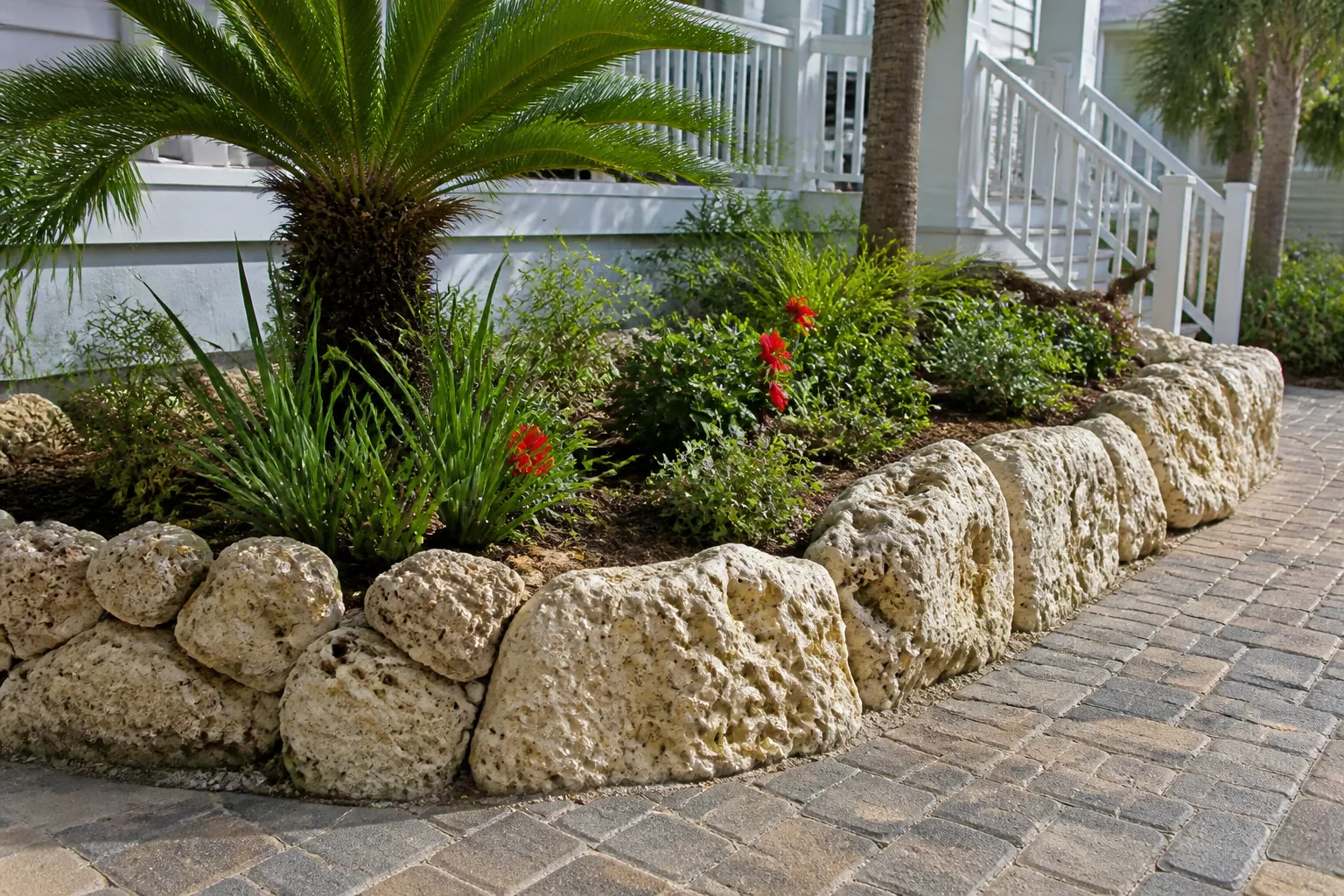
The best coquina shell garden bed ideas start with plant needs, clear borders, and easy access. Use shell as a planned surface around suitable plants, rather than covering every bare spot. For St. Augustine yards, check soil needs, view a sample, and plan how you'll move delivered material before ordering.
Which coquina shell bed ideas fit your yard?
Choose a shell bed layout that suits how you use your yard. Small accent areas let you test the look before covering more ground. The Northeast Florida coquina driveway guide covers a different use. For planting beds, start with the coquina shell sample buying guide to judge the material firsthand.
Begin with one clear goal for the bed. You might want a frame around a plant group. You may prefer a narrow accent beside an existing border. Keep the shape tied to that goal, rather than adding shell wherever space remains.
A small island bed can frame one focal plant. A border strip can follow an existing bed edge. A split bed can leave some soil covered with another material. Each choice needs room for plant care and a clear way to contain the shell.
Think about the view from indoors and from the yard. Mark the outline, then step back from several spots. A shape that looks neat from above may seem cramped from a window. Leave room for plants to reach their expected size.
The Tropical Yards coquina shell page describes the product and DIY use. That supports considering it as a material choice. It doesn't establish that shell suits every plant or site. Decide where it belongs before choosing how much to buy.
| Layout | Main purpose | Check first |
|---|---|---|
| Small accent patch | Test the look | Sample and border |
| Border strip | Frame an existing bed | Plant spread and access |
| Island bed | Highlight a plant group | Care access from each side |
| Split surface bed | Separate planting zones | Material divider placement |
How do you check plant and soil fit?
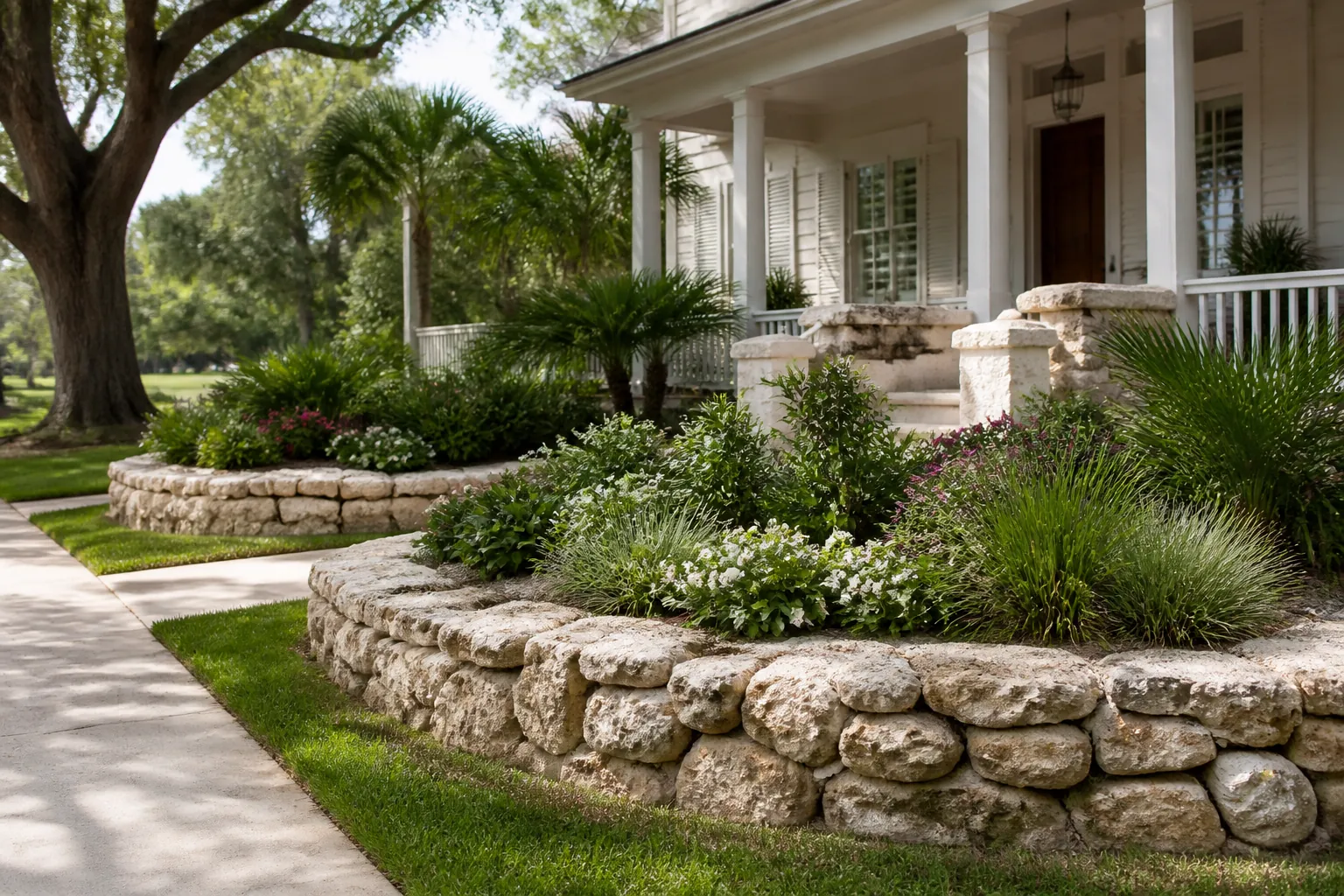
Check each plant's soil and care needs before placing shell nearby. A shared tropical look doesn't mean plants need the same conditions. Use the coquina shell material specifications guide to frame product questions. Then consult the coquina shell sample buying guide before judging fit from appearance alone.
Start with the plants you already have. Record their names, sizes, and known care needs. If you can't identify a plant, seek help before changing its bed. A new surface can make later soil work harder to manage.
Ask UF IFAS Extension for regional plant care guidance. Its St. Johns County horticulture resources are a useful starting point. For questions about soil pH or plant suitability, ask about testing and local guidance. Shell appearance can't tell you what your soil needs.
Don't treat shell as a substitute for compost or plant food. It serves a different role in the bed. Keep the planting plan separate from the surface choice. Choose plants for the site, then assess the material around them.
Plan open space around plant bases and care points. Avoid burying trunks, stems, or visible root flares with added material. Ask a qualified plant care professional about suitable clearance for your plants. Leave irrigation parts easy to find and inspect.
- Identify each plant before changing the surface around its roots.
- Check soil needs with local guidance rather than relying on appearance.
- Leave room to inspect stems, irrigation parts, and new growth.
- Choose another surface where plant needs conflict with the proposed shell bed.
What should you look for in a shell sample?
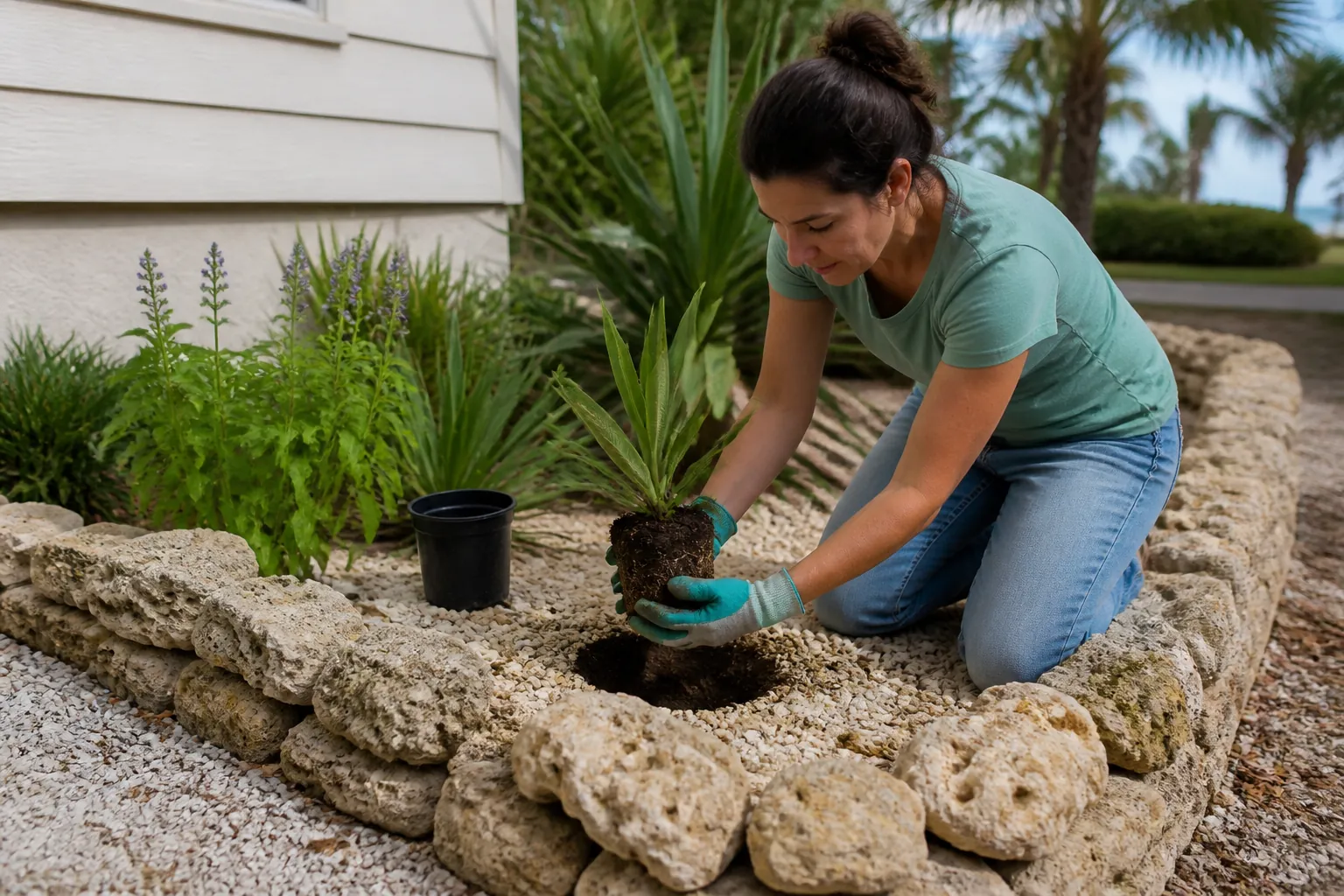
Use a sample to judge scale, texture, and color beside your plants. Compare it with the actual bed edge and nearby surfaces. The coquina shell sample buying guide helps frame that review. The coquina shell material specifications guide helps separate visual choices from questions about the supplied material.
Ask what sample options are available before making plans around one. View any sample outdoors near the proposed bed. Compare it with your house finish, edging, and plant foliage. Indoor light and screen images may give a different impression.
Look closely at the pieces and the spaces between them. Decide if that texture suits a small border or larger bed. Consider who will tend the plants and how they'll reach them. A surface chosen for looks still needs a workable care plan.
A sample is a reference, not a promise about every piece. Ask how closely it reflects the material being sold. Confirm any product details that matter to your project. Don't assume a single handful describes an entire load.
Check how the proposed material meets the edge you already have. Large pieces may create a different look from fine material. Ask about the product's size range and contents instead of assigning it an assumed grade. Record the answers before comparing your choices.
Use the sample stage to test your design, too. Place it near the edge without spreading it through the bed. Take notes from your main viewing spots. If the effect feels too busy, reduce the shell area before buying material.
How should you map the bed before ordering?
Map the actual shell area, leaving out spaces reserved for plants and access. Break curved beds into simple shapes for easier measuring. Check the coquina shell material specifications guide before discussing quantity. Use the coquina shell delivery readiness guide to connect your bed plan with the unloading plan.
Draw a rough plan with lengths and widths marked. Include trees, shrubs, edging, drains, and irrigation points. The drawing doesn't need to look polished. It needs enough detail to show where shell will go and where it won't.
Measure the surface you intend to cover, rather than the whole yard. Split an awkward shape into smaller rectangles or triangles. Keep each measurement with its matching sketch. This makes it easier to catch gaps or overlapping areas.
Area alone doesn't settle the amount to order. The intended depth and product details matter too. Ask the supplier how quantity is measured and sold. Have them explain any coverage guidance for the actual material, rather than using an unrelated online estimate.
Check buried utility concerns before digging or setting deep edging. Use the appropriate utility locating process and qualified help when needed. Don't move drainage routes based on a simple garden sketch. Those changes may need advice beyond a material purchase.
- Mark the proposed bed edge with a temporary outline before measuring.
- Measure each simple section and record its dimensions on your sketch.
- Subtract areas that will stay open for plants or planned access.
- Confirm material details and intended depth before asking about order quantity.
What needs attention before you spread shell yourself?
Finish the bed layout, plant checks, and access plan before spreading shell. Resolve weeds and drainage concerns without assuming the new surface will fix them. Review the coquina shell material specifications guide for material questions. The coquina shell delivery readiness guide helps you prepare for the material's arrival.
Decide what happens to the current bed surface first. Existing mulch, weeds, and stray roots need separate thought. Don't bury a problem just to finish the new look. Seek plant care advice if removal work could harm established roots.
Choose edging for the site and intended use. Think about mowing, foot traffic, and how you'll reach plants. The edge should make sense beside nearby surfaces. Don't assume it will hold material in place under every condition.
Landscape fabric is a separate choice, not an automatic step. Ask how it would affect planting, soil access, and later changes. Consider how you'd add plants or adjust irrigation afterward. A layer that's easy to place may be harder to work around later.
Watch how water moves through the bed before covering it. Note standing water, runoff, and any blocked drainage points. Ask a qualified professional about persistent drainage problems. Decorative shell isn't a drainage design or a repair for grading concerns.
Plan a manageable work area and follow tool instructions. Keep children and pets away from active unloading and spreading work. Use help or suitable equipment when handling exceeds your ability. Tropical Yards supplies material; DIY preparation and placement remain separate tasks.
How can you keep the finished bed practical?
Plan for plant care, stray leaves, and future changes before choosing full coverage. A shell bed still needs regular attention. Use the coquina shell sample buying guide to assess the surface. The Northeast Florida coquina driveway guide provides context for another use, with different traffic and layout needs.
Keep a clear way to reach each plant. Leave space for pruning access and irrigation checks. A bed that looks simple from the sidewalk may be awkward to tend. Test your reach before filling every open area with shell.
Think about nearby trees and their falling leaves. Loose debris may collect between pieces and around borders. Choose a bed size you're willing to inspect and tidy. Ask about suitable care methods before using tools that could scatter material.
Check edges from time to time for displaced shell. Look near mower routes, downspouts, and places where people cut across. Return material only after checking why it moved. Repeated movement may call for a layout change rather than more shell.
Leave room for future plant work in your plan. A shrub may need replacing, or irrigation may need repair. Keep notes on where lines and access points sit. These notes can reduce guesswork when the surface hides parts of the bed.
Review the bed after seasonal changes and routine yard work. Look for covered plant bases or blocked access points. Seek plant care help if growth or leaf color changes. Don't assume the shell caused every problem, or that adding more will solve it.
What should you confirm with Tropical Yards?
Confirm the product, order quantity, and delivery details before setting your work date. Tropical Yards sells coquina shell and offers dump trailer delivery from St. Augustine to Daytona Beach. Review the coquina shell delivery readiness guide and coquina shell material specifications guide before discussing your project and site access.
Share your bed sketch and the questions it raised. Explain that you're planning a decorative planting bed. Mention the measured area and your intended surface depth. Ask which product details still need checking before a quantity can be discussed.
Describe the proposed unloading spot and route to the bed. Ask what access information the supplier needs. Discuss surfaces, gates, overhead obstacles, and the space available. Don't assume that a vehicle route is suitable without confirmation.
Plan how material will move after unloading. The drop point may be some distance from the bed. Arrange your own tools, help, or separate contractor as needed. Keep that work distinct from the supplier's dump trailer delivery.
Tropical Yards is a plant and coquina shell supplier. It doesn't provide landscape design, installation, maintenance, trimming, or yard cleanup. If you need those tasks, arrange them separately. Confirm delivery arrangements before booking other work that depends on the material.
- Ask which coquina shell product matches the details you reviewed.
- Confirm how the order quantity relates to your measured bed plan.
- Discuss the unloading location and all known site access limits.
- Arrange your own spreading work and any separate landscape labor.
Questions about next steps? Call Tropical Yards at 772-267-1611 or review coquina.
Frequently Asked Questions
Can I use shell in a bed with edible plants?
Don't assume a decorative material is suitable for an edible garden. Identify the crops and check their soil needs first. Ask UF IFAS Extension about local growing guidance and soil testing. Confirm the shell product's intended use with the supplier. Keep food growing decisions separate from appearance alone.
Can I add shell to a rented property's garden?
Get the property owner's consent before changing the bed surface. Share the proposed area, edging, and removal plan. Shell can be harder to gather once mixed with soil or other materials. Ask who will handle future care and any restoration work before placing an order or arranging delivery.
What if I want to change the bed next year?
Start with a small, clearly bounded area if future changes seem likely. Keep different surface materials apart where practical. Save your layout notes and product details. Removing loose shell can take work, especially after soil and debris mix in. Consider that effort when deciding how much ground to cover.
Should I check neighborhood rules before changing a front bed?
Check any rules that apply to your property before buying material. A neighborhood association may have its own review process. Public edges or shared spaces can raise separate questions. Ask the relevant authority what applies to your proposed work. A supplier's product information doesn't establish permission for a site change.
Can I order tropical plants with shell for the same project?
Tropical Yards sells tropical plants as well as coquina shell. Its configured plant range includes palms, hibiscus, bougainvillea, and ferns. Ask about current stock and how a combined order could be handled. Choose plants based on site needs first. Planting and shell placement must be arranged separately from supply and delivery.
Sources
- Coquina Shell Landscaping, Tropical Yards
- St. Johns County Horticulture Fact Sheets, UF IFAS Extension
Call 772-267-1611 to talk through next steps.