 Tropical
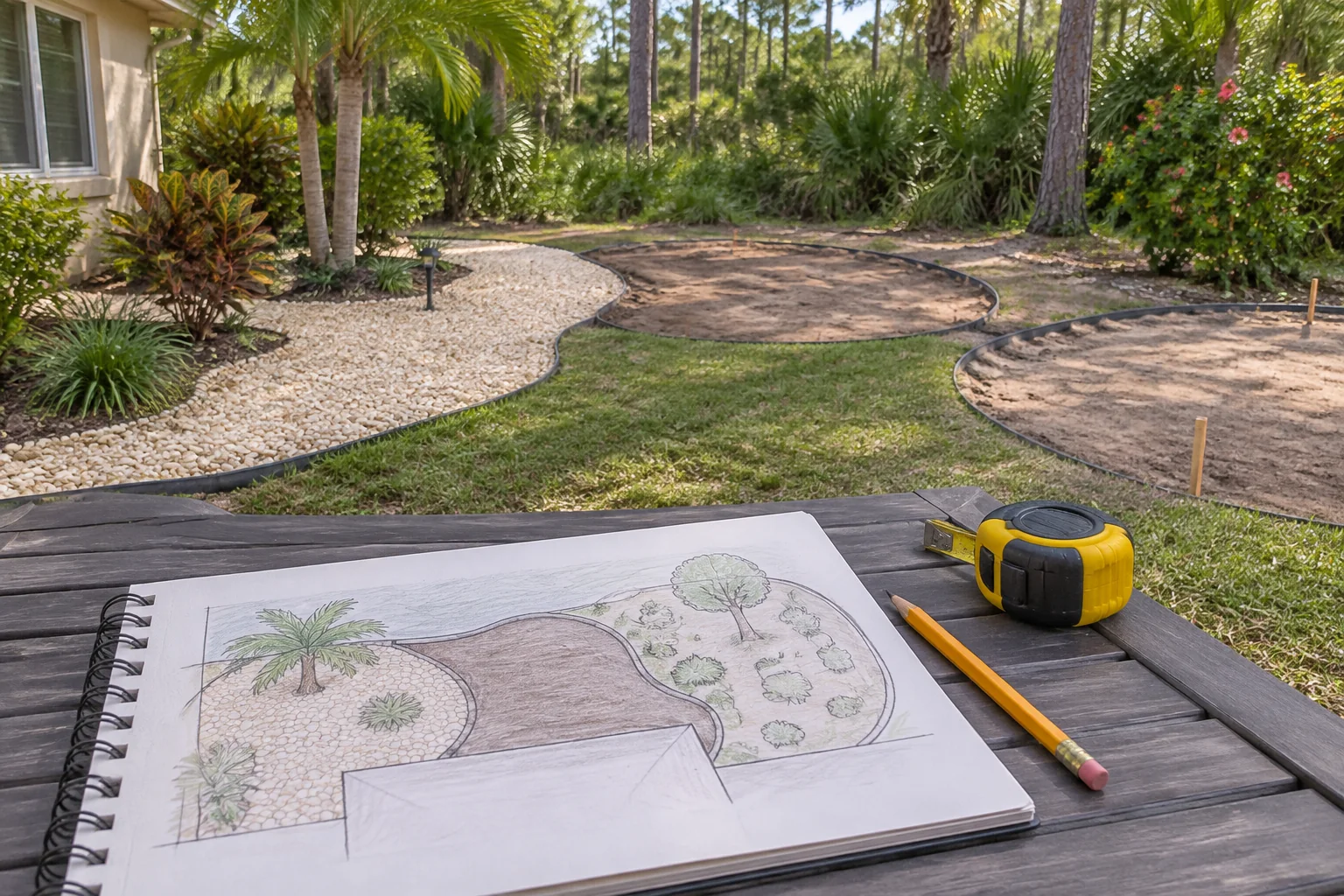
Planning phased coquina shell orders in Palm Coast, FL starts with deciding which parts of the project can be finished independently. Instead of dividing a guessed total into several purchases, identify each zone, document its requirements, and compare complete purchase options. A later order should follow a clear project decision, not simply a date written on the calendar.
A useful worksheet separates three things: the material calculated for each zone, the quantity actually quoted, and the work required before that zone receives shell. Those figures and tasks may change as preparation progresses. Keep the original assumptions visible so that a revised measurement does not become an unexplained increase in the next order.
For broader purchasing context, use the bulk coquina shell buying guide to confirm the product, calculate quantities, and compare delivered quotes. This worksheet focuses on sequencing multiple purchases rather than repeating delivery-clearance or material-storage instructions. Its examples are optional planning tools, not installation specifications or promises about order acceptance.
Map Zones That Can Be Finished Independently
Divide the project by finished function and readiness, not by an arbitrary number of deliveries. Use the shell buying checklist to identify each zone’s purpose, then check the coquina shell product page before discussing separate purchases. A zone belongs in a phase only when its boundaries and required work are understood.
Draw a simple property sketch and give each area a short identifier, such as Path A, Path B, or Side Strip. Mark where areas meet so that connecting sections are not counted twice. A phase can contain several zones, but each zone should retain its own measurement and specification. This lets one uncertain area remain undecided without obscuring the rest of the project.
- Purpose: Record whether the zone is a pedestrian route, decorative strip, or another planned surface. Do not treat different uses as interchangeable specifications.
- Boundary: Identify the edges and connections that define the measured area. Note any boundary still awaiting a homeowner or installer decision.
- Dependency: Write down what must happen first, such as completing nearby planting or having your installer approve the prepared area.
- Decision owner: Name the person who will approve the dimensions, intended layer, and readiness before a purchase is requested.
- Completion point: Describe what would make this zone finished independently, rather than leaving an unfinished connection dependent on an unconfirmed later order.
Keep planting-bed decisions separate from shell quantity decisions. UF/IFAS guidance on choosing mulches does not recommend inorganic mulches such as shells for garden beds. It also states that crushed shells do not contribute to soil nutrient content or water-holding capacity. A phased purchase should not lock an undecided planting area into shell merely to enlarge an order.
If a zone’s purpose or material remains unsettled, label it “decision pending.” Excluding that zone from the first purchase comparison preserves the distinction between a confirmed task and a possible expansion. It does not establish whether the remaining quantity meets current ordering conditions.
Keep Zone Calculations Separate From Purchase Quantities
Calculate each zone separately, then group the results into proposed phases without treating those totals as accepted orders. Separate geometric volume from purchase allowances when using the buying guide’s quantity guidance, and request current terms through the shell ordering page.
For an even layer, cubic yards equal square feet multiplied by depth in inches, divided by 324. UF/IFAS explains this volume calculation and recommends dividing irregular areas into simpler shapes for measurement. The table below uses hypothetical dimensions to illustrate a worksheet. Its layer thicknesses are arithmetic inputs only, not recommended shell depths for any particular use.
| Zone | Measured Area | Illustrative Layer | Geometric Volume |
|---|---|---|---|
| A | 180 square feet | 2 inches | 1.11 cubic yards |
| B | 240 square feet | 3 inches | 2.22 cubic yards |
| C | 120 square feet | 2 inches | 0.74 cubic yard |
Using the unrounded calculations, Zones A and B total about 3.33 cubic yards, while all three total about 4.07 cubic yards. Neither result establishes an available order quantity. The examples exclude allowances for preparation differences, uneven ground, handling, or compaction. Ask your installer how any specified finished condition translates into material to purchase.
Maintain separate entries for calculated volume, installer-approved adjustments, and supplier-quoted quantity. If those numbers differ, write down why. For example, a revised boundary is a measurement change; an ordering condition is a purchasing constraint. Keeping them separate prevents the next phase from inheriting an unexplained quantity that was never tied to its actual area.
Do not automatically subtract the first delivered quantity from the original project total to determine the second order. Recheck the unfinished zones and record any usable remainder separately. A changed layout requires a changed calculation, not merely a balance carried forward.
Compare One Purchase With Multiple Purchases Fairly
Compare complete quoted scenarios for the same confirmed zones, not a single material rate against an assumed series of deliveries. Request current information through Tropical Yards and use the delivered-quote comparison guidance to keep product, quantity, address, and scope consistent between options.
Start with a scenario covering all confirmed zones. Ask how that quantity would be supplied and delivered, rather than assuming one purchase means one trip. Then describe a phased alternative using the same zones, grouped by readiness. Request the material and delivery terms for each proposed purchase. Do not assume that an early quote establishes the terms for a later transaction.
Record the current minimum, quoted quantity, material charge, delivery charge or included delivery terms, and scheduling information for each scenario. Leave unconfirmed entries blank or mark them “ask supplier.” A blank field is more useful than an invented estimate because it identifies the exact question preventing a fair comparison. No quoted minimum or lead time should be assumed from an older saved page.
Compare household and installer arrangements separately from supplier charges. Note whether each scenario requires one coordinated work period or several, and ask your independently engaged installer what that means for their work. Do not assign a supposed labor saving or additional cost unless the person providing that labor has actually supplied the relevant information.
The comparison may remain incomplete until an uncertain zone is measured or an installer clarifies preparation. That is a useful result. It identifies the decision that needs attention before choosing a purchasing sequence. Phasing is a planning option, not an automatic economy or a guarantee of easier completion.
Confirm Timing and Assign Responsibilities Before Ordering
Confirm each proposed phase directly with the supplier and assign all site work separately. Tropical Yards supplies materials and dump-trailer delivery; check the installation boundary before planning the work. The customer or a separately engaged installer handles preparation, spreading, grading, and other installation labor.
Give each phase a readiness condition as well as a preferred date. “After the installer approves Path B’s preparation” is a different instruction from “next month.” The first identifies a task that must be completed; the second expresses a calendar preference. Keep both on the worksheet, but do not treat either as supplier confirmation of a delivery appointment or future availability.
Ask Tropical Yards about the current minimum for each proposed purchase, current availability, lead time, and how scheduling should be reconfirmed. Also ask whether a quote covers only the immediate purchase or addresses any later phase. Record the response date beside the answer. If the plan changes, ask which details need to be reviewed rather than assuming the original discussion still applies to the changed plan.
On the homeowner side, identify who approves measurements and who communicates changes. If an installer supplies the quantity, retain their zone breakdown rather than copying only a total into the order request. If you are doing the work yourself, keep your own measurements and unresolved preparation questions together. Supplier delivery does not replace those decisions or include the work needed to finish the surface.
Where plants are part of the project, settle their locations before approving nearby shell boundaries. The UF/IFAS Florida-Friendly Landscaping principles advise choosing plants suited to the property’s soil, light, water, and climate. That guidance supports resolving plant placement first; it does not endorse a supplier or establish shell suitability around a particular plant.
Release Each Later Order From an Updated Worksheet
Base each later purchase on the remaining measured work, not the first order’s assumptions. Revisit the coquina shell product information and request updated terms from Tropical Yards when the next phase becomes ready. Keep the sequence tied to documented decisions rather than treating tentative dates as commitments.
- Review the completed zone: Compare its actual boundaries with the worksheet. Record any layout changes that also affect the adjoining unfinished area.
- Remeasure the next zone: Update its area and intended layer with the person responsible for installation. Retain the earlier figures so the reason for revision stays visible.
- Reconcile remaining material: Note any usable shell left from the earlier purchase separately. Discuss its relevance to the next quantity rather than assuming the entire remainder is suitable or sufficient.
- Request current purchase terms: Confirm the product, proposed quantity, minimum, availability, delivery terms, and scheduling process for this phase. Do not copy answers from the first order without checking.
- Approve and retain the record: Save the accepted quantity and agreed terms beside the updated zone sheet. Identify who will carry out the work after delivery.
A short change note can make the worksheet clearer than a rewritten total alone. For example: “Zone C widened after the planting layout was finalized; area remeasured before requesting the next quote.” This records a decision without pretending that the original estimate was a guaranteed purchase quantity. It also helps a different installer understand what remains unfinished.
Keep material appearance as a confirmation question when later work will meet an earlier shell surface. The buying guide cautions against assuming a similarly named product will look identical beside an older installation. Describe the existing material and ask how to confirm the current product’s appearance before approving a later purchase.
When ready, request a current coquina shell quote with the zone measurements, proposed phase quantities, intended use, and delivery address. Explain which phase is ready and which remains tentative. Ask for current terms without assuming prices, availability, or a multi-order arrangement. Keep installation and labor arrangements with you or your chosen installer.
Frequently asked questions
Are phased coquina shell orders less expensive than one order?
Do not assume either option costs less. Request complete quotes for the same confirmed project scope, including the material quantity and delivery terms for each proposed purchase. Compare current minimums and ask how the quantities would be delivered. Keep any independently quoted installer labor separate from the supplier’s material and delivery charges.
How should a project be divided into phases?
Use zones that have clear boundaries, defined purposes, and identifiable preparation requirements. Group zones by readiness rather than dividing the total volume into equal purchases. An optional worksheet can record each zone’s measurements, dependencies, decision owner, and completion point. Leave undecided areas outside the confirmed purchase comparison until their requirements are resolved.
Should the calculated volume equal the quantity ordered?
Not necessarily. A geometric calculation describes an even layer over the measured area, while the purchased quantity also needs to reflect the project specification and current ordering conditions. Keep calculated volume, installer-approved adjustments, and quoted quantity in separate worksheet entries. Record why they differ instead of carrying an unexplained adjustment into the next phase.
Does placing the first order reserve material for later phases?
Do not treat the first purchase as confirmation of future material, prices, or delivery dates. Ask Tropical Yards directly whether any arrangement covers later phases and what remains subject to confirmation. Keep later purchases marked unconfirmed until their product, quantity, current terms, and scheduling have been discussed for that particular phase.
Will Tropical Yards prepare and install each project phase?
No. Tropical Yards supplies coquina shell and tropical plants and offers dump-trailer delivery. The customer or a separately engaged installer performs preparation, grading, spreading, and installation labor. Assign those responsibilities before requesting delivery, and have the person responsible for the work approve each zone’s measurements, specification, and readiness.